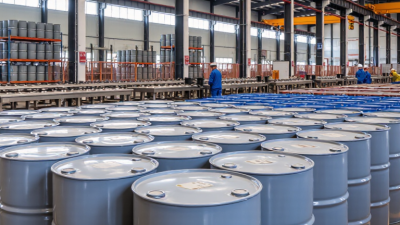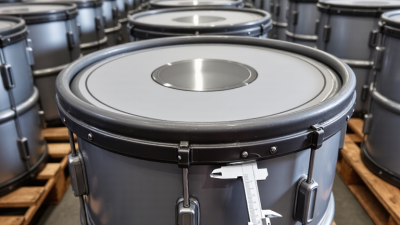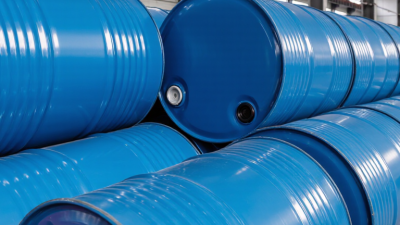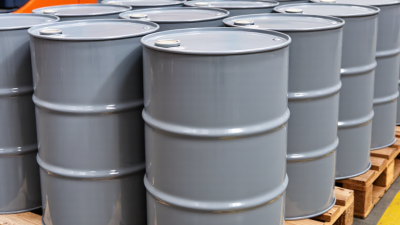
Top 10 Solvent Fuel Drum Types for Global Buyers?
Choosing a Solvent Fuel Drum isn’t just about comparing prices or colors—there’s a lot more to it. Honestly, buyers around the world need to think about things like whether the material is compatible with their substance, how the closure is designed, the wall thickness, how stable it is during transport, and whether it comes with proper quality documentation. For example, a steel drum might handle impacts pretty well, but a high-density polyethylene drum could be lighter and offer strong resistance to chemicals. The catch? Neither is perfect for every kind of solvent, climate, or shipping route. It’s always a bit of a balancing act.
Walter Soroka, a well-known expert in packaging technology, once said, “Packaging is the science, art, and technology of enclosing and protecting products.” Honestly, that still rings true here. A good solvent fuel drum needs to guard against leaks, moisture, contamination, and handling mishaps. When you’re shopping around, don’t forget to check out the UN performance markings, gasket materials, bung design, internal coatings, and even how the drums are palletized. Also, knowing the supplier’s traceability info is pretty important. Sure, companies like Greif and Mauser are pretty well-known, but don’t just go on reputation alone—make sure to verify the technical details, too.
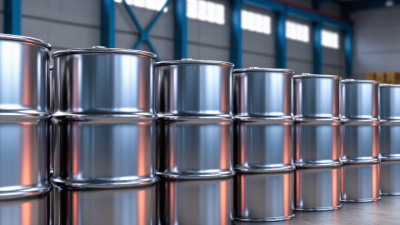
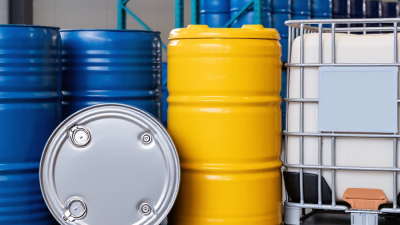
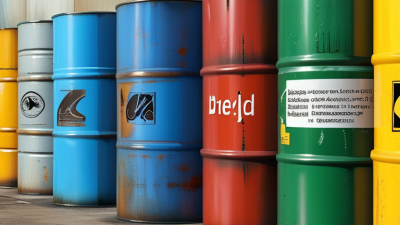
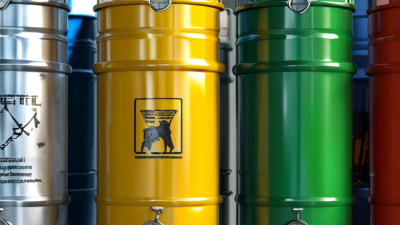
This guide breaks down ten different kinds of drums that international buyers usually consider. It compares open-head versus tight-head options, steel versus plastic bodies, lined containers, reusable models, and even some specialized formats designed for fuel. Some drums are better suited for hot warehouses, while others excel at stacking, long-distance shipping, or repeated use in dispensing. The rankings can be helpful, but they’re not set in stone. Factors like the specific chemicals involved, local transport rules, and filling equipment can totally change what’s best for you. Remember, tiny details matter— a poor seal can ruin what appears to be a great drum. Always double-check current safety certifications and regional requirements before placing your order, because one size does *not* fit all when it comes to global standards.
Read more »