Leave Your Message
-
 Get Your Quote
-
 Email
-
Phone
Australia’s industrial sector is characterized by its vast geographic spread, challenging climate, and intensive resource operations. From the mining hubs of Western Australia (WA) and Queensland (QLD) to the agricultural heartlands of New South Wales (NSW) and the chemical manufacturing corridors of Victoria (VIC), secure containment is a paramount operational requirement. Among the various containment solutions, resin fuel drums—typically heavy-duty steel drums lined with specialized epoxy-phenolic resins—play a vital role in protecting high-value fuels, chemical resins, lubricants, and dangerous solvents from contamination and chemical reaction.
The commercial demand for high-integrity steel packaging in Australia has seen steady growth, driven by strict environmental protocols and safety mandates. Standard containers often fail when exposed to aggressive raw materials or harsh outback conditions. The application of a protective resin or epoxy lining inside a steel drum acts as a barrier, ensuring that the metal does not react with the stored chemical, and preventing exterior moisture from compromising the purity of the contents.
In Australia, the storage and handling of flammable and combustible liquids are strictly governed by the AS 1940:2017 standard. Using certified, high-durability steel drums with specialized internal coatings is essential for compliance and risk mitigation across all mining and industrial sites.
While plastic containers are suitable for non-reactive, low-risk substances, heavy industries in Australia rely heavily on steel drums for several reasons:
Understanding how resin fuel drums and specialized steel containers are utilized on the ground helps highlight their critical importance to the Australian economy:
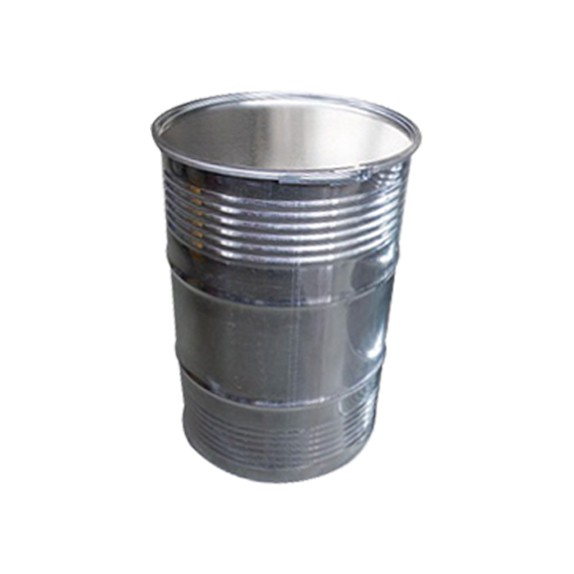
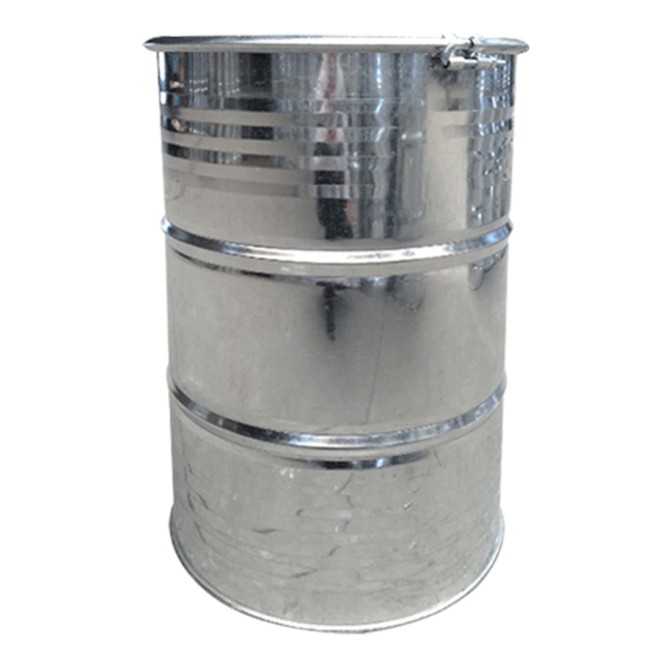
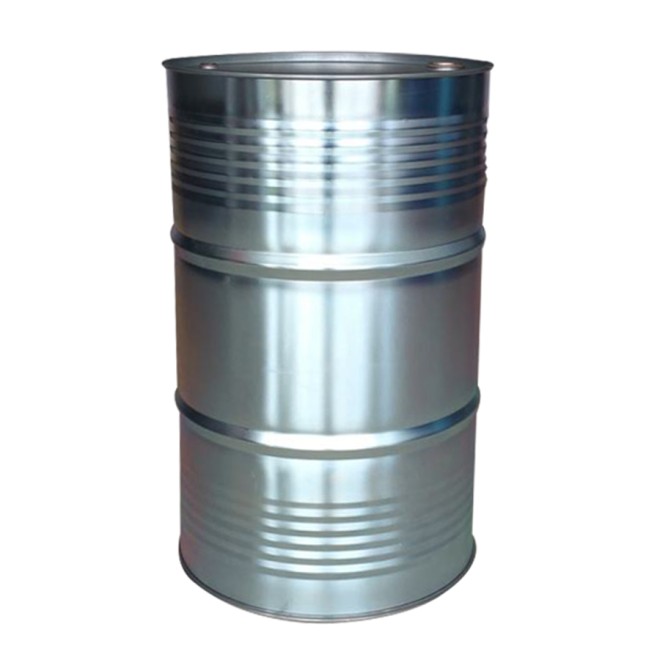
In remote mining sites, equipment downtime can cost millions. Heavy-duty machinery requires specialized lubricants, additives, and fuel components that must remain completely pure. 200-230L galvanised and stainless steel drums are widely deployed to transport these vital liquids over thousands of kilometers of unsealed roads. The internal resin lining prevents rust formation from condensation, ensuring that the fuel or oil remains free of particulate contamination.
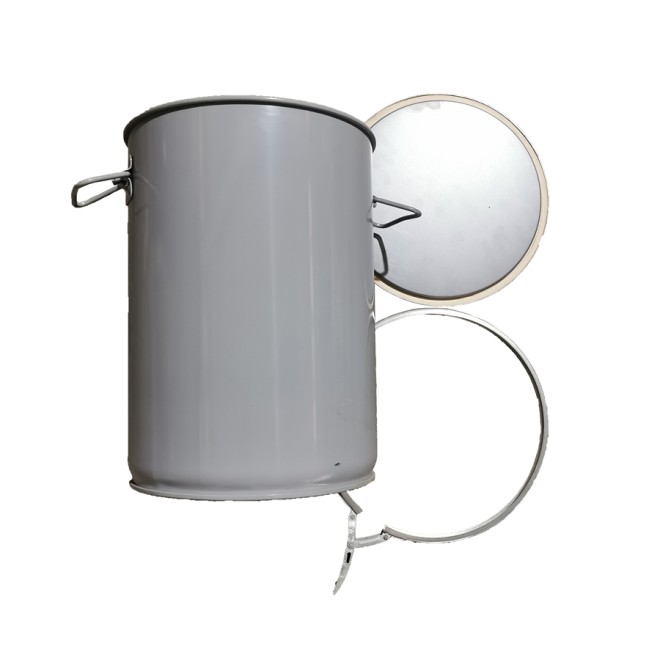
Victoria and New South Wales host the majority of Australia’s chemical and polymer manufacturing facilities. Here, raw epoxy resins, polyurethane components, and industrial adhesives are formulated. Packaging these materials requires specialized containers like the 20L collapsible open-top hot melt adhesive drum. These drums allow for easy extraction of high-viscosity materials while preventing the product from curing or adhering permanently to the drum walls.
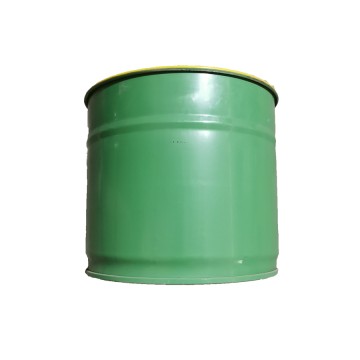
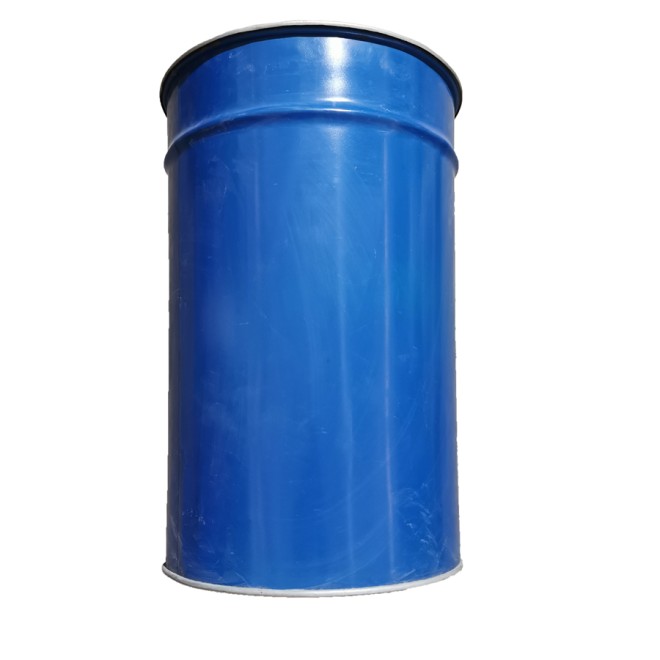
Australia’s agricultural sector uses a wide range of crop protection products, liquid fertilizers, and machinery fuels. These chemicals are often highly concentrated and corrosive. 10L and 20L green open-top or closed-head steel drums with handles provide a safe, portable, and robust containment solution that prevents environmental spills and ensures easy handling on farms.
Offshore drilling platforms and marine vessels operate in highly corrosive saltwater environments. For these applications, stainless steel conical and closed-top drums are the gold standard. They offer maximum resistance to external atmospheric corrosion while safely storing sensitive fuel mixtures and chemical agents.
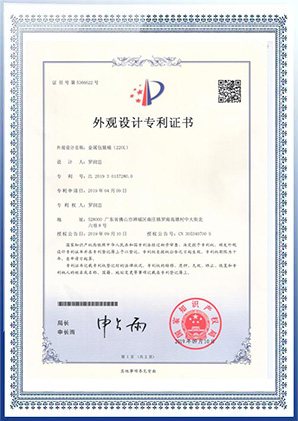
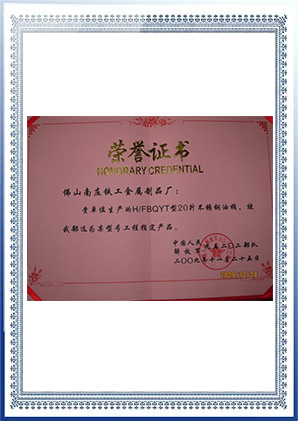
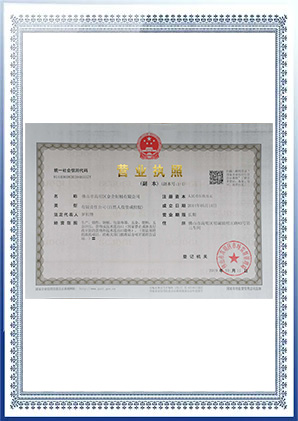
Established in 1999, the company was renamed Foshan Qiaoyue Packaging Co., Ltd. in 2007 (formerly known as Nanzhuang Ironworks Metal Products Factory). It stands as Foshan's sole manufacturer capable of producing diverse types of drum products.
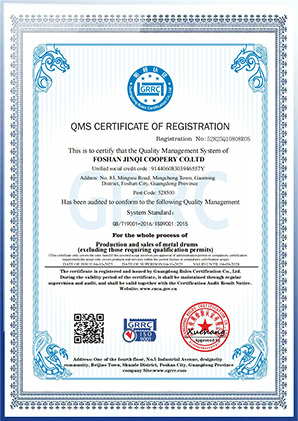
Foshan Jinqi Barrel Manufacturing Co., Ltd. employs over 50 staff members and adheres to the principles of prioritising reputation, ensuring reliable quality, pursuing volume sales with modest profit margins, placing customers first, upholding ethical standards, protecting the environment, fostering innovation, and maintaining a spirit of continuous learning. We are dedicated to providing our extensive clientele with high-quality, prompt, comprehensive services that prioritise customer requirements. Our company's conviction is to fulfil our social responsibilities to all stakeholders, including employees and customers, while pursuing sustainable business development.
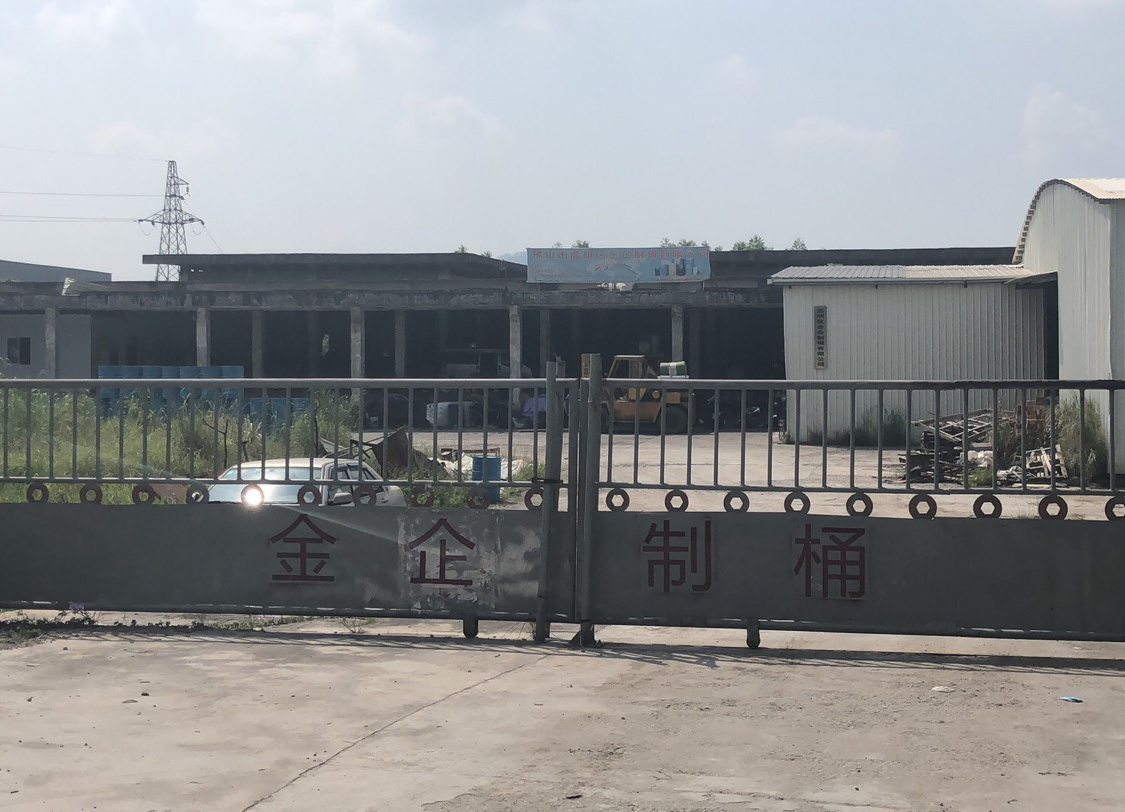

We pledge to deliver within agreed deadlines, meet specified standards, and stand by our commitment with our company's reputation as guarantee.

We strive to exceed customer expectations, producing products worthy of their trust.

We offer competitive pricing to serve our broad customer base.

We prioritise client requirements, tailoring our production to meet their specifications.
Selecting the appropriate industrial drum for Australian applications requires a clear understanding of the raw materials, coatings, and structural designs available:
For drums storing fuels, organic solvents, and mildly acidic chemicals, an internal epoxy-phenolic lining is applied. This lining is baked at high temperatures to create a highly cross-linked polymer barrier. The barrier prevents metal ions from leaching into the fuel (which can cause engine clogging in high-tech mining machinery) and protects the steel drum from chemical attack.
Galvanised drums are coated with a layer of zinc, offering excellent atmospheric corrosion protection, making them ideal for outdoor storage in coastal or high-humidity regions. Stainless steel drums (typically grade 304 or 316) provide the ultimate level of chemical resistance and purity, making them preferred for high-grade aviation fuels, pharmaceuticals, and food-grade ingredients.
The Australian packaging landscape is shifting rapidly towards sustainability. Under the pressure of the Australian Packaging Covenant Organisation (APCO), manufacturers and logistics providers are seeking ways to reduce waste. Steel drums represent a key asset in this circular economy. Because they are robust and can be washed, re-lined, and reconditioned, steel drums offer a significantly lower carbon footprint over their lifecycle compared to single-use plastic containers.
Additionally, the integration of smart tracking technologies (like RFID tags and IoT sensors) onto industrial drums is gaining traction. This allows Australian logistics managers to track the location, temperature, and integrity of critical fuel and chemical shipments in real-time across vast interstate routes.
They are heavily utilized for storing and transporting specialized fuels, industrial chemical resins, solvents, adhesives, and lubricants. The internal resin (epoxy-phenolic) lining ensures that the container does not react with the contents, preserving purity and preventing rust.
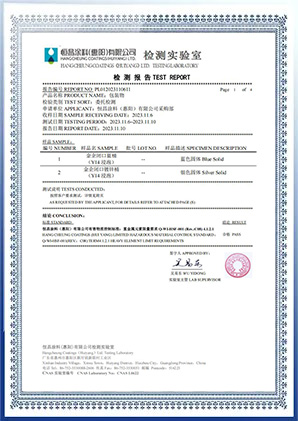
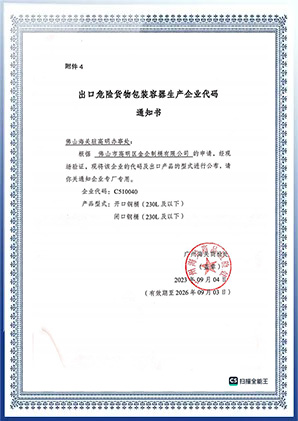
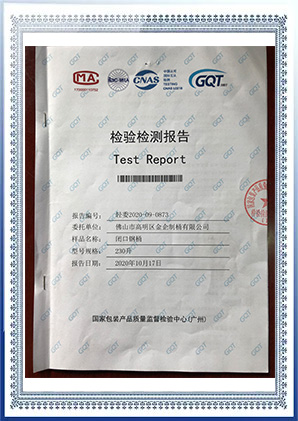
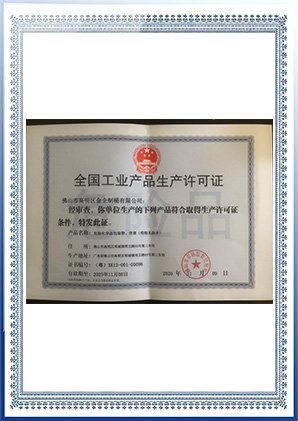
Yes. Our manufacturing processes adhere to stringent international standards, producing UN-certified steel drums suitable for the transport and storage of hazardous materials (Classes 3, 6, 8, and 9) in accordance with the Australian Dangerous Goods Code.
Absolutely. Our galvanised steel, stainless steel, and exterior-coated carbon steel drums are engineered to withstand extreme UV exposure, high temperatures, and moisture levels typical of the Australian outback and coastal industrial zones.
As an established global exporter, we offer direct factory shipping to major Australian ports, including Melbourne, Sydney, Brisbane, Adelaide, and Fremantle. We ensure secure packing and containerization to prevent damage during sea transit.