Leave Your Message
-
 Get Your Quote
-
 Email
-
Phone
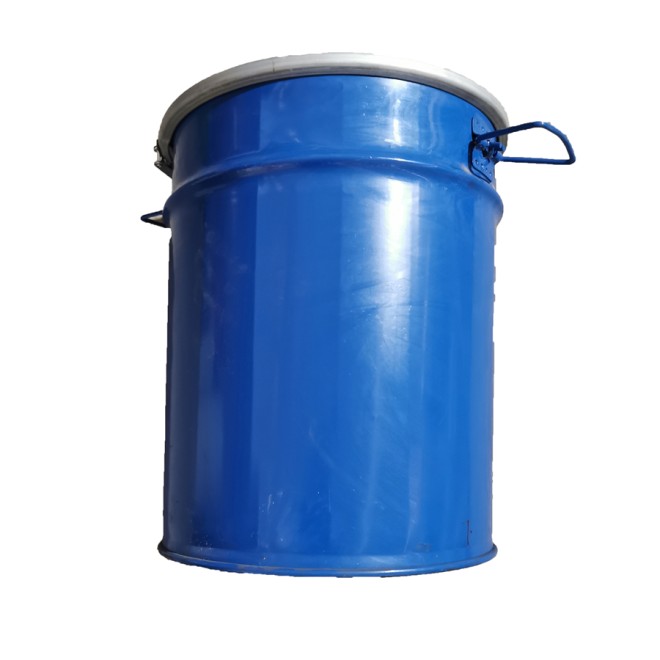
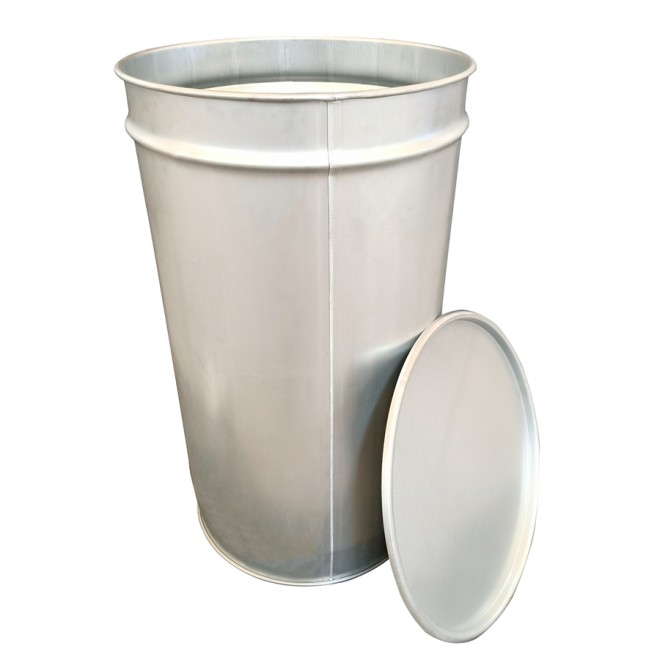
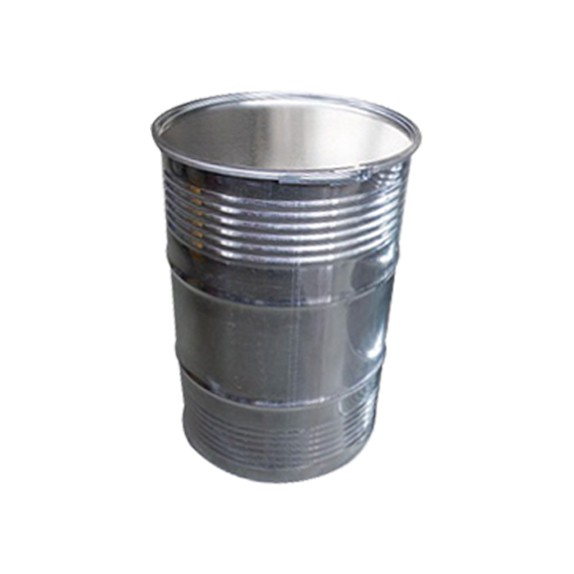
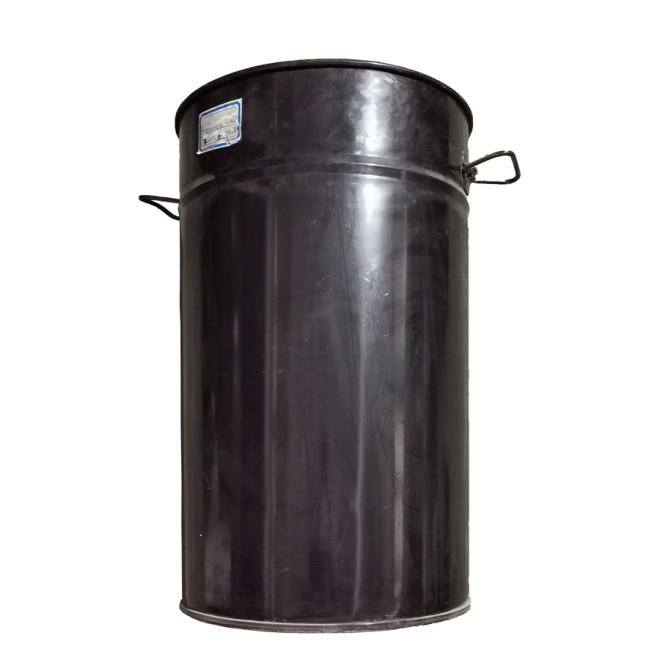
International maritime cargo shipping forms the backbone of global trade, carrying over 80% of the world's commercial goods by volume. When it comes to transporting bulk liquids, hazardous chemicals, lubricants, and sensitive raw materials across oceans, packaging integrity is not just a operational preference—it is a matter of strict international compliance, environmental safety, and financial security. The Painted Closed Head Steel Drum (commonly referred to as a tight-head steel drum) stands as the gold standard for containment in this demanding logistics sector.
Maritime transport subjects cargo to extreme conditions, including high humidity, salt spray, severe temperature fluctuations, and intense kinetic forces from vessel motion (pitch, roll, and heave). Standard packaging solutions often fail under these cumulative stresses. A closed head steel drum, constructed from high-tensile cold-rolled carbon steel, is specifically engineered to resist structural deformation, prevent leakage, and withstand the internal pressure build-ups caused by thermal expansion during long sea voyages.
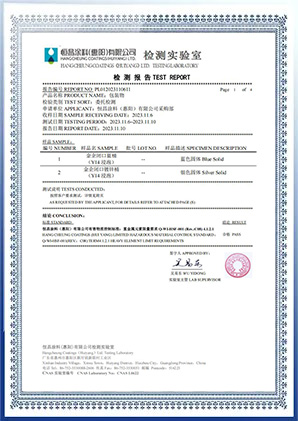
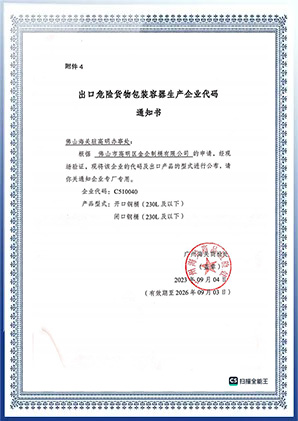
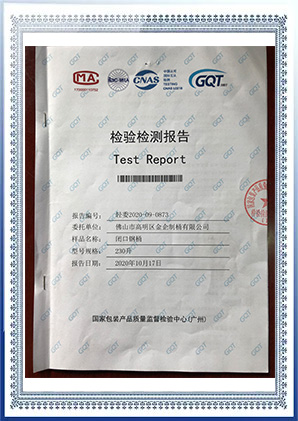
For logistics providers, ensuring that every drum carries appropriate UN ratings is paramount. Painted closed head steel drums are rigorously tested for drop resistance, stackability, and hydrostatic pressure, making them compliant with the International Maritime Dangerous Goods (IMDG) Code.
The global industrial packaging market is experiencing steady growth, driven by the expansion of the chemical, petrochemical, and pharmaceutical sectors. Within this landscape, logistics providers face increasing pressure to optimize container space, reduce shipping weights, and minimize product loss. The closed head steel drum remains irreplaceable for high-risk liquids because it offers superior puncture resistance and thermal stability compared to plastic Intermediate Bulk Containers (IBCs) and fiber drums.
Furthermore, international ports are enforcing stricter safety protocols. Non-compliant packaging can lead to severe delays, heavy fines, or cargo rejection at customs. By utilizing high-quality, painted tight-head drums with precise bung closures, shipping lines and logistics operators mitigate the risks of environmental contamination and vessel damage, ensuring smooth cross-border transit.
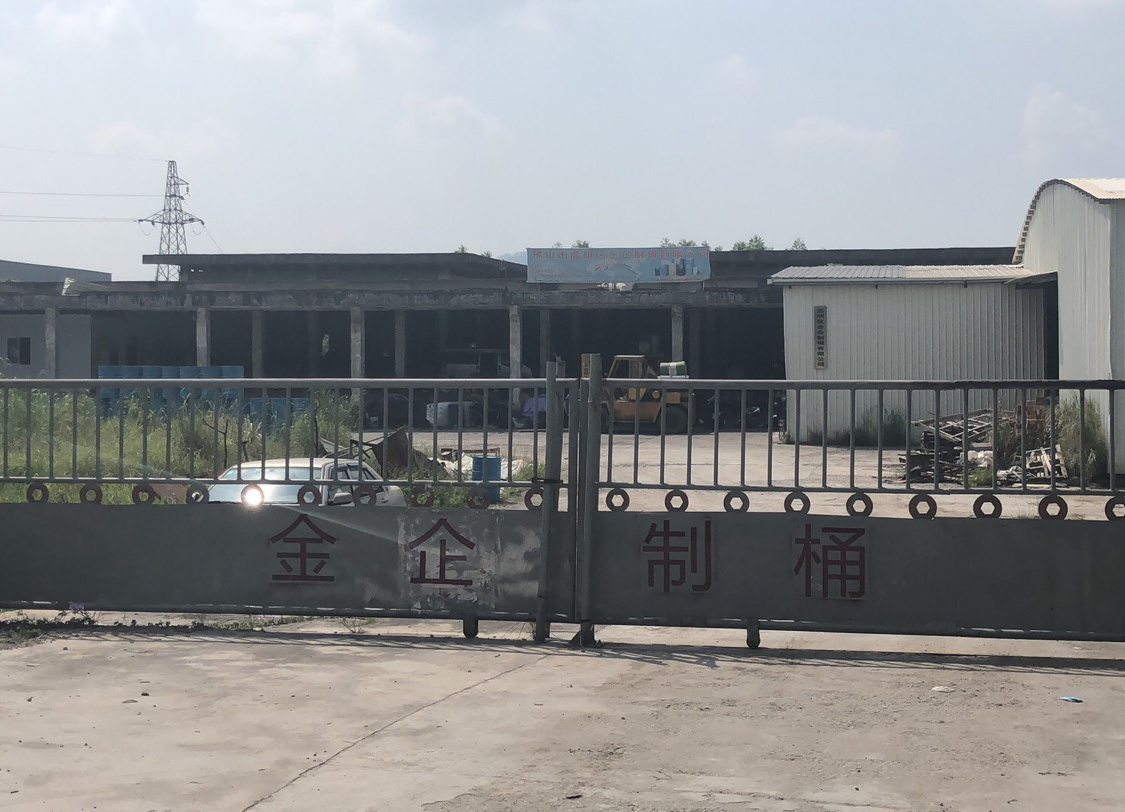
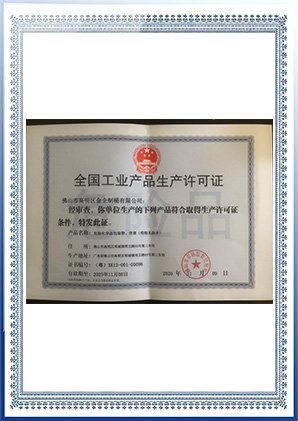
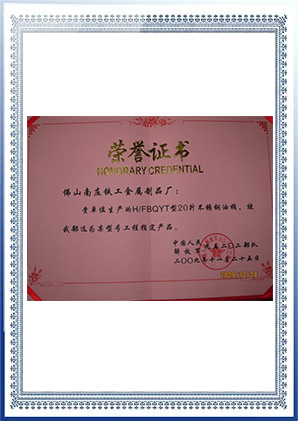
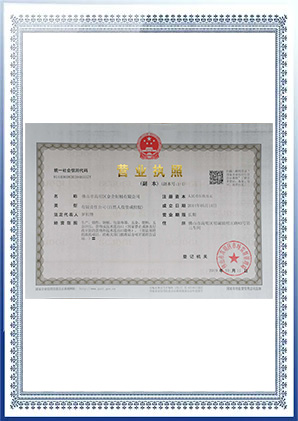
Established in 1999, the company was renamed Foshan Qiaoyue Packaging Co., Ltd. in 2007 (formerly known as Nanzhuang Ironworks Metal Products Factory). It stands as Foshan's sole manufacturer capable of producing diverse types of drum products.
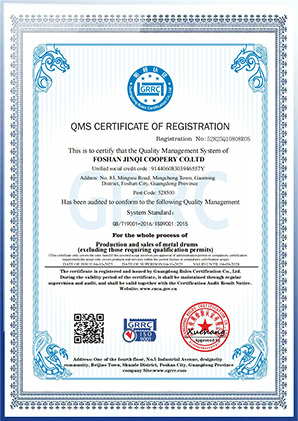
Foshan Jinqi Barrel Manufacturing Co., Ltd. employs over 50 staff members and adheres to the principles of prioritising reputation, ensuring reliable quality, pursuing volume sales with modest profit margins, placing customers first, upholding ethical standards, protecting the environment, fostering innovation, and maintaining a spirit of continuous learning. We are dedicated to providing our extensive clientele with high-quality, prompt, comprehensive services that prioritise customer requirements. Our company's conviction is to fulfil our social responsibilities to all stakeholders, including employees and customers, while pursuing sustainable business development.
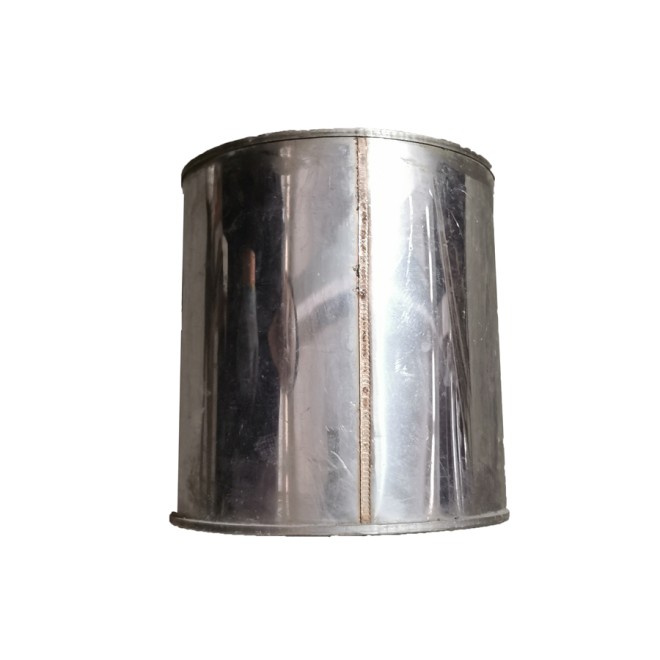
Understanding the engineering behind a painted closed head steel drum is crucial for procurement officers and logistics managers. These drums are fabricated using premium-grade cold-rolled steel (such as Q235B carbon steel), which offers excellent weldability and mechanical strength. The body of the drum features corrugated hoops that enhance radial strength, allowing the drums to be stacked up to four high in shipping containers without collapsing.
The marine environment is highly corrosive. Saltwater and high humidity accelerate the oxidation of steel, which can lead to structural failure. To combat this, the exterior of the drum is coated with advanced industrial paints. Modern manufacturers are transitioning to eco-friendly, low-VOC water-based paints that offer excellent adhesion and resistance to chipping, scratching, and UV degradation. This specialized paint layer acts as a sacrificial barrier, ensuring the drum remains rust-free throughout its transit and storage cycle.
The interior of the drum is just as critical as the exterior. Depending on the chemical composition of the cargo, drums are equipped with specific linings:
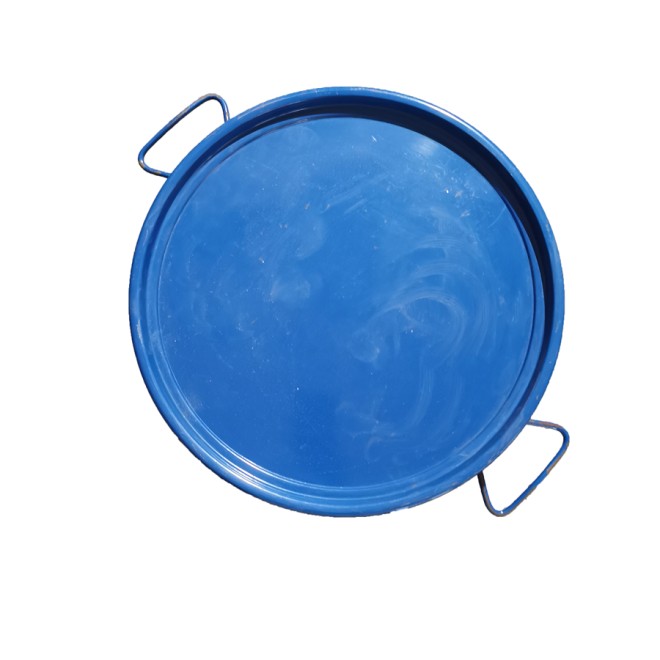
Closed head drums feature a non-removable top head integrated seamlessly with the drum body. Access is restricted to two strategic openings (usually 2-inch and 3/4-inch bungs) fitted with high-performance gaskets (EPDM, Nitrile, or Teflon) to ensure a completely leak-proof, airtight seal.

We pledge to deliver within agreed deadlines, meet specified standards, and stand by our commitment with our company's reputation as guarantee.

We strive to exceed customer expectations, producing products worthy of their trust.

We offer competitive pricing to serve our broad customer base.

We prioritise client requirements, tailoring our production to meet their specifications.
Closed head steel drums are utilized across multiple industries where the containment of liquid products is critical. Below are the primary application scenarios where these robust containers demonstrate their value:
The global shipping of industrial lubricants, marine engine oils, and specialty fuels relies heavily on tight-head steel drums. Because petroleum-based products are highly flammable, the static-conductive nature of steel is a critical safety feature. Unlike plastic containers, which can accumulate static charge, steel drums can be safely grounded during filling and decanting processes, eliminating ignition risks in volatile environments.
From industrial solvents to corrosive acids and toxic reagents, chemical manufacturers must adhere to strict safety guidelines. Painted closed head steel drums with customized internal coatings prevent chemical reactions that could weaken the container or contaminate the product. Their high UN rating ensures that even in the event of rough seas or accidental drops during port handling, the risk of chemical spills is minimized.
For the food industry, maintaining product purity over long ocean transits is essential. High-ratio fruit concentrates, essential oils, and flavor compounds are packed in food-grade lined steel drums. The hermetic seal prevents oxygen ingress, which would otherwise oxidize the contents, spoil the flavor, and lead to massive financial losses. The paint on the exterior ensures that no external contamination or rust flakes can compromise the food safety standards during handling.
High-value active pharmaceutical ingredients (APIs) and cosmetic bases require absolute protection from light, moisture, and air. Steel drums provide a complete barrier against UV light and environmental contaminants, ensuring the raw materials arrive at their destination with their chemical properties fully intact.
As the logistics and maritime shipping industries look toward the future, two major trends are shaping the development of steel drum manufacturing: environmental sustainability and digital integration.
Unlike single-use plastic packaging, steel drums are highly sustainable. They are designed for a multi-cycle lifespan. After reaching their destination, closed head steel drums can be collected, reconditioned (washed, dent-repaired, re-tested), and repainted for reuse. This circular lifecycle significantly reduces the carbon footprint per shipment. Leading logistics providers are partnering with manufacturers like Foshan Qiaoyue to establish closed-loop supply chains that emphasize drum recovery and reuse, aligning with global ESG (Environmental, Social, and Governance) targets.
The rise of Industry 4.0 has introduced "smart drums" to the maritime sector. By integrating RFID tags, QR codes, or IoT (Internet of Things) tracking sensors onto the drum chimes, logistics providers can monitor the location, temperature, and orientation of high-value cargo in real-time. This level of traceability is invaluable for pharmaceutical and chemical shipping, allowing operators to detect leaks or unauthorized access before the cargo even reaches the port.
International maritime regulations are becoming increasingly strict regarding container security. The IMO (International Maritime Organization) continues to update safety codes to prevent marine pollution. Using high-quality, factory-certified painted closed head steel drums ensures that logistics providers remain ahead of regulatory changes, avoiding costly compliance bottlenecks at international ports.