


Urgent Issues Facing Packaging Barrels
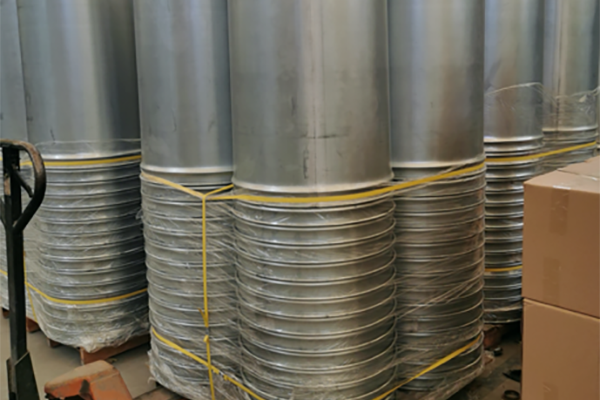
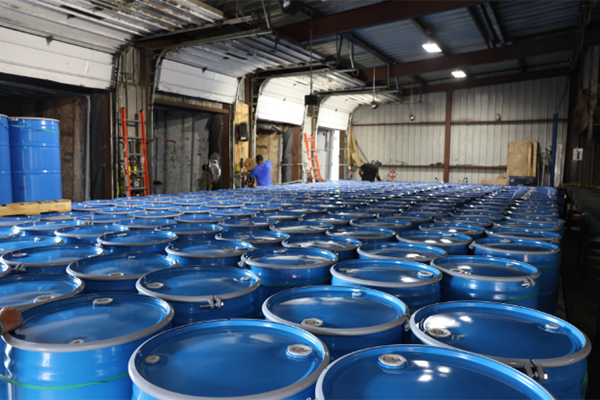
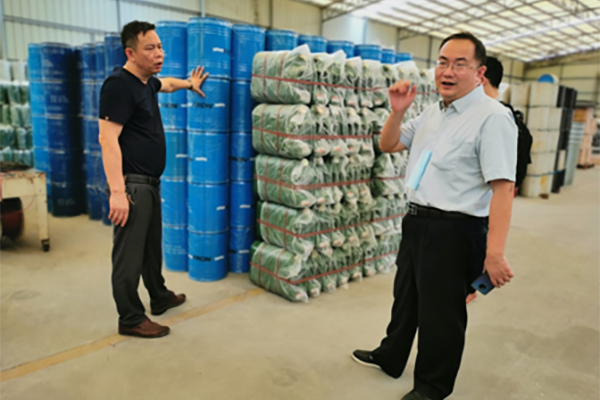
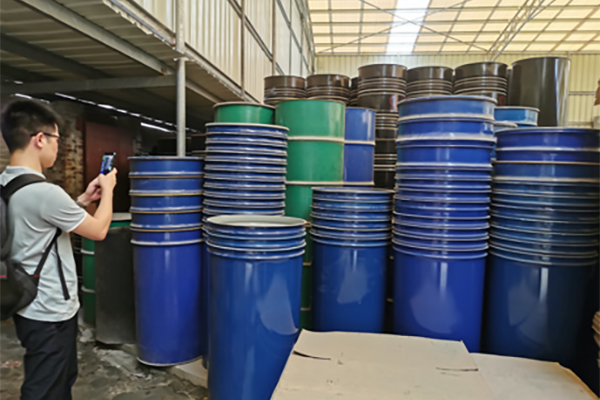
The packaging barrel industry faces numerous challenging problems requiring resolution, with pollution being the most critical. Companies typically handle resin-coated steel drums by burning off residual resin before washing them with water. It is understood that historically, the recycling and refurbishment of these hazardous waste steel drums occurred along roadsides outside Baifeng Village beneath the remote Shiniu Bridge. Given the site's proximity to the Oujiang River, substantial volumes of wastewater generated during barrel washing were directly discharged, much of it flowing into the river and adversely affecting its water quality. To safeguard the river's waters and surrounding environment, environmental authorities launched a concerted campaign against unlicensed workshops in the area, sealing off, dismantling, and shutting down these makeshift operations. However, this left numerous synthetic leather enterprises with no immediate solution for their resin-coated steel drums, resulting in mountains of accumulated waste that both squandered resources and polluted the environment. To reduce corporate investment costs, conserve energy, and minimise pollution, the development zone adopted a strategy of channelling rather than blocking. It established a waste drum recycling and refurbishment enterprise—Lishui Wufeng (now renamed Hongfeng) Drum Co., Ltd. (the aforementioned drum-burning enterprise)—west of Huimin Road and south of Yunjing Road. This company specialised in recycling and refurbishing resin steel drums, with requirements to improve technology, enhance environmental protection facilities, and pass environmental assessments. However, after commencing operations, the enterprise faced low processing profits due to stringent environmental requirements. Driven by profit motives, it began covertly violating regulations by burning waste resin steel drums with open flames and washing them with water.
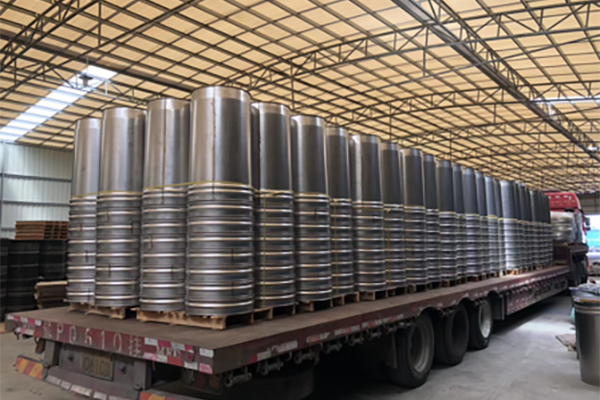
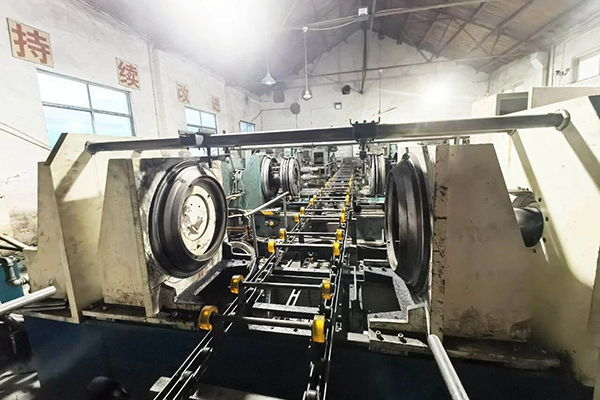
On the afternoon of 11 July this year, a reporter visited the company's premises. A large lorry was parked at the entrance, loading refurbished recycled drums. The reporter spoke to a worker loading the vehicle, who explained that one lorry could carry over 110 steel drums, with seven or eight lorries dispatched daily. Nearly a thousand steel drums were refurbished each day, yielding monthly earnings of around 3,000 yuan. Entering the workshop, an overpowering paint fume made breathing difficult, while the deafening clang of hammers striking old drums filled the air. Workers, accustomed to this environment, labored bare-chested without any protective gear. Multiple barrel-washing assembly lines operated continuously within the workshop. Workers ceaselessly transported steel drums, previously burned outdoors, to the assembly lines. Operators on each line fed the drums into washing machines to remove sediment from the inner walls before rinsing them clean with water. Wastewater discharged from all assembly lines converged into a drainage channel, flowing in a substantial stream onto the open ground beyond the perimeter wall. Workers engaged in pile-driving at a nearby construction site reported that due to the low-lying terrain, wastewater from Hongfeng Barrel Industry Co., Ltd.'s barrel-washing operations flows directly into their pile foundations. After contact with this contaminated water, workers experience skin irritation, leading to widespread reluctance to enter the water for pile-driving operations.