


How to Choose a 20-litre Steel Drum with Lid? Leak-proof, Corrosion-resistant and Impact-resistant – Master These 5 Key Points!
Need to store industrial materials like powders, adhesives or hot melt glue? The 20-litre steel drum with lid and hoop opening is a firm favourite among factories and DIY enthusiasts alike! Yet with countless options on the market, variations in material, sealing integrity and pressure resistance mean leaks, corrosion or even total failure can easily occur. This guide walks you through identifying genuinely durable steel drums from material standards to sealing designs, helping you avoid cheap imitations. Includes a pitfall-avoidance checklist and budget reference to find the best value option—spend wisely for peace of mind!
What exactly is a 20-litre steel drum with lid and clamp? What can it hold?
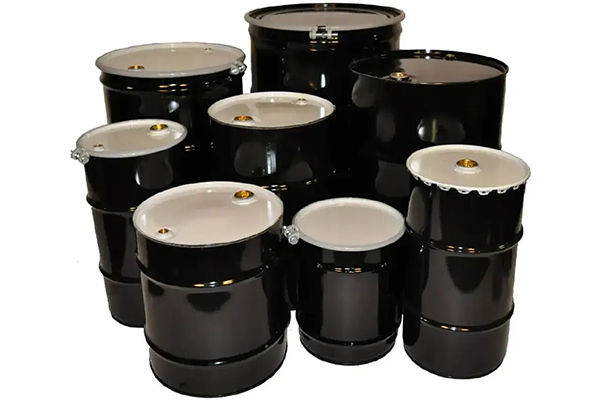
Simply put, a 20-litre steel drum with lid and clamp is a cylindrical metal container with a capacity of approximately 20 litres, featuring a removable lid and a metal clamp fastening system. It's no ordinary tin can—it's a robust solution specifically engineered for storing industrial materials like liquids, powders, and pastes.
Common aliases include: powder drum, solid waste drum, hot melt adhesive drum, or adhesive drum. It finds widespread application across multiple sectors including chemicals, coatings, adhesives, food processing, 3D printing consumables, and laboratory sample transport. For instance, the hot melt adhesive used by your local renovation crew is likely stored in such a drum. Similarly, craft enthusiasts often opt for these steel drums to store epoxy resin or UV adhesive long-term.
Core Parameter Analysis: Why Aren't All Steel Drums Called '20 Litre'?
Don't be fooled by the ‘20 litre’ label! Genuine 20-litre steel drums must strictly comply with the national standard GB/T 4871-2019 'Packaging Containers - Steel Drums' for internal diameter and height, with actual net volume tolerance controlled within ±3% (i.e., 19.4–20.6 litres). If the drum appears noticeably flattened or excessively short, it may merely be a 'pseudo-20-litre' product.
Key Indicators at a Glance:
How to avoid pitfalls? Keep these 5 selection criteria in mind!
√ Check material thickness: Avoid cheap 0.4mm thin-plate drums! Long-term storage of corrosive substances risks perforation. Prioritise carbon steel drums with 0.7mm thickness or greater.
√ Test seal integrity: After opening the lid, press the rim firmly with your hand. Listen for hissing air leakage. A quality seal should remain leak-free for at least six months.
√ Verify certification marks: Reputable manufacturers display the ‘GB/T 4871’ certification mark. Some export products also carry ISO 9001 quality system certification.
√ Ensure connection compatibility: If connecting to pump hoses or valves, verify the drum top features standard threaded fittings (e.g., G1/2 inch).
√ Prioritise surface treatment: Hot-dip galvanisation outperforms painted finishes, particularly in humid environments or when handling acidic/alkaline materials.
Comprehensive Analysis of Suitable Users and Applications
× Never store strong oxidising agents (e.g., potassium permanganate) or caustic alkalis (e.g., sodium hydroxide) — even galvanised coatings may corrode rapidly.
× Avoid prolonged exposure to direct sunlight, as plastic seals may degrade and crack.
Recommended Solutions for Diverse Requirements
Conclusion
The 20-litre steel drum with lid and hoop may be unassuming, yet it serves as an unsung hero in industrial and domestic settings. Choosing the right one not only prevents leaks and rust but also extends material shelf life and ensures operational safety. Remember: don't focus solely on price. Prioritise material thickness, sealing structure, and surface treatment processes. Matching it to your actual needs is key to achieving ‘one purchase, lasting peace of mind’ ✨.