
Leave Your Message
-
 Get Your Quote
-
 Email
-
Phone
Precision-engineered containers purpose-built for hazardous fuel classification, bulk food ingredient storage, and juice concentrate export compliance.
The intersection of hazardous material containment and food-grade supply chain logistics represents one of the most technically demanding segments in global industrial packaging. For bulk food ingredient suppliers and juice concentrate exporters, the selection of the right drum is not merely a procurement decision — it is a regulatory, safety, and brand-integrity imperative. Hazardous fuel drums, when properly engineered and certified, provide the structural integrity, chemical resistance, and leak-proof performance required to transport sensitive materials across international borders under strict UN and ADR compliance frameworks.
Global trade in juice concentrates and bulk food ingredients exceeded USD 180 billion in 2023, with compound annual growth rates projected between 5.8% and 7.2% through 2030. This expansion is driven by rising demand for processed beverages, functional foods, and ready-to-use ingredient solutions across Asia-Pacific, the Middle East, and European markets. As supply chains grow longer and more complex, the role of industrial-grade steel drums in maintaining product integrity, preventing contamination, and satisfying customs and safety inspections has never been more critical.
Key Market Insight: Over 68% of juice concentrate exporters in Southeast Asia and South America now mandate UN-certified closed-top steel drums for international shipments, citing both regulatory requirements and reduced product spoilage rates of up to 34% compared to alternative packaging formats.
Hazardous fuel drums serve a dual-purpose role in these supply chains. Primarily designed to contain flammable, corrosive, or reactive substances under UN Class 3 and Class 8 classifications, these drums are increasingly being adapted — with appropriate food-grade linings and surface treatments — for the containment of high-concentration juice extracts, acidic food additives, flavoring agents, and preservative compounds that share similar chemical handling requirements. The robustness of hazardous drum construction standards directly benefits food exporters who require maximum containment reliability during extended ocean freight voyages.
Emerging regulatory, technological, and sustainability forces are redefining how hazardous fuel drums are designed, certified, and deployed in food ingredient and juice concentrate logistics.
Manufacturers are increasingly adopting galvanised and high-recycled-content steel alloys that reduce carbon footprint by up to 40% while maintaining UN hazardous classification performance. Drum reconditioning programs are gaining traction among bulk exporters seeking to reduce packaging waste and total logistics costs.
Next-generation hazardous drums are being equipped with RFID tags and IoT-enabled temperature/pressure sensors, enabling real-time monitoring of juice concentrate integrity during multi-modal transport. This technology reduces spoilage claims by up to 28% and accelerates customs clearance through digital documentation chains.
Epoxy-phenolic and FDA-compliant polymer linings are being integrated into standard hazardous drum bodies, creating hybrid containers that satisfy both UN hazardous material certifications and food-contact safety regulations simultaneously — a critical development for juice concentrate exporters managing dual-use packaging inventories.
The convergence of IMDG, ADR, DOT, and CNAS certification frameworks is driving drum manufacturers to produce universally compliant containers. For juice concentrate exporters shipping to multiple markets simultaneously, single-specification hazardous drums that satisfy all major regulatory bodies reduce procurement complexity and inventory overhead significantly.
CNC-driven drum forming, automated seam welding, and robotic quality inspection systems are elevating dimensional consistency and pressure-test pass rates. For bulk food ingredient suppliers, this means tighter tolerances on closure systems, reduced leakage risk, and more reliable stacking performance in high-density warehouse environments.
Collapsible-bottom and knock-down drum designs are emerging as logistics-optimising solutions for juice concentrate exporters who need to return empty containers cost-effectively. These designs reduce return freight volume by up to 70%, making them economically attractive for high-frequency export operations across long supply routes.
Understanding how hazardous fuel drums are deployed across specific bulk food ingredient and juice concentrate workflows reveals the depth of their industrial value.
High-Brix citrus, tropical, and berry concentrates are highly acidic and can degrade standard packaging over extended sea voyages of 20–45 days. Hazardous-rated closed-top steel drums with epoxy linings provide the chemical resistance, pressure integrity, and stacking strength (tested to 1.8x gross weight) required for ISO container loading. UN-certified drums also satisfy port authority documentation requirements in the EU, US, and GCC markets, eliminating costly inspection delays.
Food ingredient suppliers handling high-concentration acidulants (citric acid, acetic acid), preservatives (sodium benzoate solutions), and flavoring solvents require storage containers that meet both GMP (Good Manufacturing Practice) and hazardous material storage codes. Galvanised closed-top steel drums rated for corrosive liquids provide the dual compliance needed for bonded warehouse environments where food and chemical inventories coexist under strict regulatory oversight.
Large-scale juice processing plants and food ingredient manufacturing facilities routinely handle industrial fuels, cleaning solvents, and heat-transfer fluids that require UN-classified hazardous containment. Standardising on hazardous fuel drum specifications across both food-grade and industrial material storage simplifies procurement, training, and emergency response planning — a significant operational efficiency gain for integrated food manufacturing complexes.
Juice concentrate exporters serving premium markets often ship via air freight for time-sensitive orders. Hazardous-rated steel drums — particularly 10L and 20L formats — satisfy IATA Packing Instructions for liquid food products with hazardous classifications, enabling seamless transition between air cargo and sea freight without repackaging. This flexibility is critical for exporters managing mixed-mode supply chains with variable lead times.
Collapsible-bottom open-top drums are purpose-designed for viscous materials including hot-melt adhesives, glucose syrups, honey, and high-viscosity fruit pastes. The collapsible base mechanism allows complete material evacuation — achieving up to 99.5% product recovery rates — eliminating costly residue waste that bulk food ingredient suppliers face with standard fixed-bottom containers. This design is particularly valued in high-value ingredient categories where even small residue losses represent significant margin impact.
Sealed necked steel drums with factory-applied tamper-evident closures are increasingly specified by premium juice concentrate buyers in Japan, South Korea, and Western Europe who require unbroken chain-of-custody documentation from production facility to processing plant. The sealed drum format provides both physical tamper evidence and a documented closure record that satisfies FSSC 22000 and BRC food safety audit requirements, adding measurable commercial value for exporters targeting premium market segments.
The United Nations Recommendations on the Transport of Dangerous Goods (UN Model Regulations) establish the foundational framework for hazardous material packaging globally. For juice concentrate exporters, understanding how these regulations apply — even to products not traditionally classified as hazardous — is essential for maintaining uninterrupted export operations.
Many juice concentrates, particularly those with high alcohol content (fermented concentrates), high acidity (pH below 3.0), or those packaged with nitrogen gas flushing, may trigger hazardous material classification thresholds under IMDG and ADR regulations. Exporters who proactively specify UN-certified steel drums for their entire concentrate portfolio — regardless of individual product classification — eliminate the risk of shipment rejection, reclassification delays, and punitive freight surcharges at international ports of entry.
Beyond regulatory compliance, standardising on hazardous-rated steel drums delivers measurable commercial advantages for bulk food ingredient suppliers. Unified drum specifications across product lines simplify supplier qualification, reduce SKU complexity in packaging procurement, and enable volume purchasing that drives per-unit cost reductions of 12–18% compared to maintaining separate packaging specifications for different product categories.
Furthermore, the resale value of UN-certified steel drums — which can be reconditioned and re-certified for multiple use cycles — provides a secondary asset recovery stream that partially offsets initial packaging investment. In markets where drum reconditioning infrastructure is well-developed (notably Germany, the Netherlands, and Singapore), bulk food exporters report packaging cost recovery rates of 25–35% through drum return and recertification programs.
Strategic Advantage: Bulk food ingredient suppliers who specify stainless steel conical drums for high-value concentrate products gain a dual benefit — the hygienic cleanability required for food-grade certification and the structural robustness of hazardous-rated containment, enabling the same drum to serve multiple product categories across different customer specifications.
For procurement managers at bulk food ingredient companies and juice concentrate export operations, drum selection involves evaluating multiple interdependent technical parameters. Volume capacity must be matched to production batch sizes and shipping container optimisation calculations. Material specification — carbon steel, galvanised steel, or stainless steel — must align with the chemical compatibility requirements of the specific product being contained. Closure type — open-top, closed-top, or necked sealed — determines filling method compatibility, re-sealability, and tamper evidence characteristics.
Surface treatment selection is particularly critical for juice concentrate applications. Food-grade epoxy lining prevents metallic taste migration into acidic concentrates, while galvanisation provides external corrosion resistance for drums stored in humid tropical warehousing environments common across Southeast Asian and Latin American export origins. For premium concentrate products destined for health-conscious consumer markets, stainless steel drums eliminate all lining material concerns entirely, providing the cleanest possible contact surface with full CIP (Clean-In-Place) compatibility.
Efficient container loading is a critical cost driver for juice concentrate exporters operating on thin margins. Standard 20-foot ISO containers accommodate 80 units of 200-230L drums or up to 720 units of 20L drums when palletised to maximum safe stack heights. The choice between large-format and small-format drums involves trade-offs between filling efficiency, customer order quantity flexibility, and freight cost per litre of product shipped. Exporters serving large industrial buyers typically favour 200-230L drums for freight efficiency, while those serving smaller processors or specialty ingredient distributors benefit from the flexibility of 20L and 30L formats that allow partial order fulfilment without repackaging.
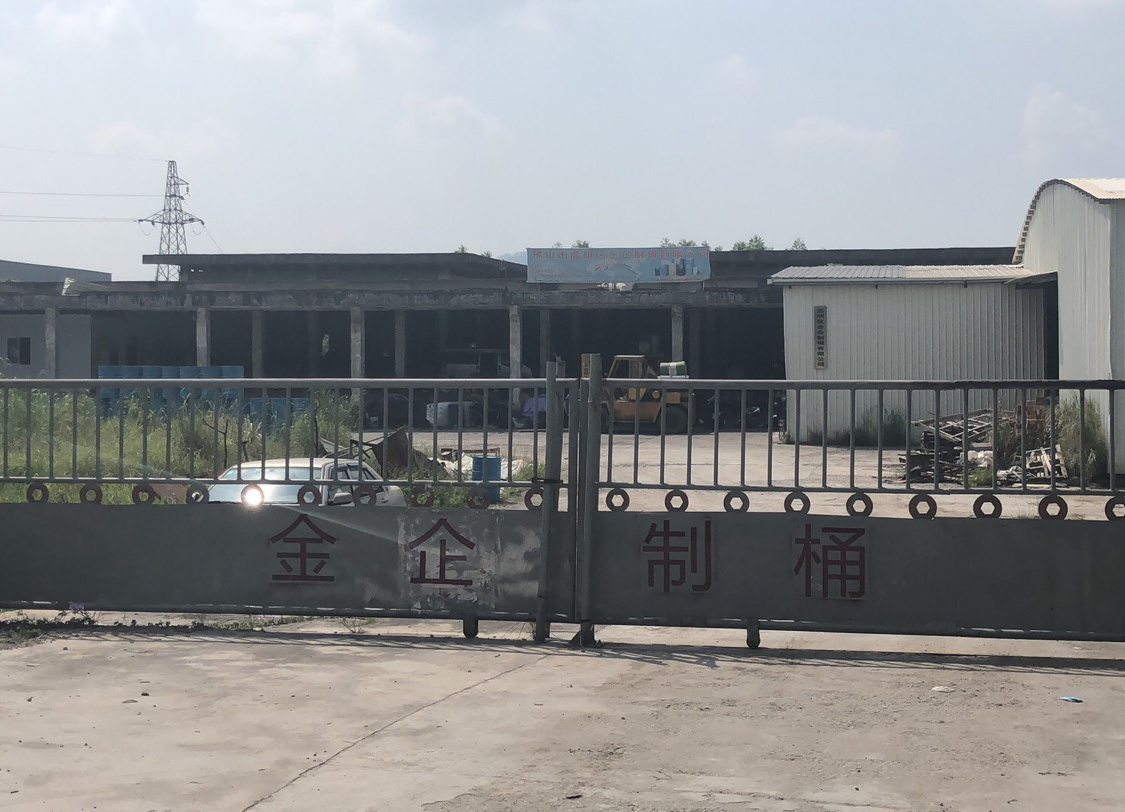
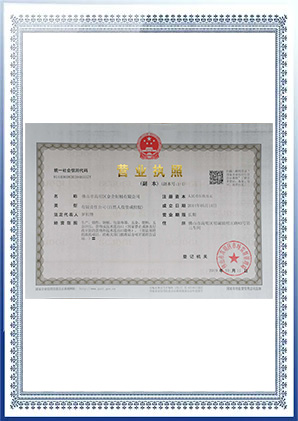
Established in 1999, the company was renamed Foshan Qiaoyue Packaging Co., Ltd. in 2007 (formerly known as Nanzhuang Ironworks Metal Products Factory). It stands as Foshan's sole manufacturer capable of producing diverse types of drum products.
Foshan Jinqi Barrel Manufacturing Co., Ltd. employs over 50 staff members and adheres to the principles of prioritising reputation, ensuring reliable quality, pursuing volume sales with modest profit margins, placing customers first, upholding ethical standards, protecting the environment, fostering innovation, and maintaining a spirit of continuous learning.
We are dedicated to providing our extensive clientele with high-quality, prompt, comprehensive services that prioritise customer requirements. Our company's conviction is to fulfil our social responsibilities to all stakeholders, including employees and customers, while pursuing sustainable business development.
Explore Our Products
We pledge to deliver within agreed deadlines, meet specified standards, and stand by our commitment with our company's reputation as guarantee.

We strive to exceed customer expectations, producing products worthy of their trust.

We offer competitive pricing to serve our broad customer base.

We prioritise client requirements, tailoring our production to meet their specifications.
Our hazardous fuel drums for bulk food ingredient suppliers and juice concentrate exporters are backed by internationally recognised quality and safety certifications.
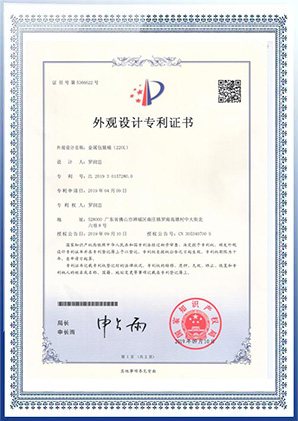
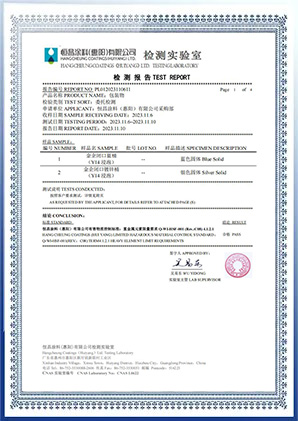
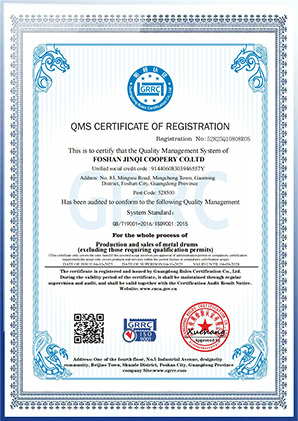
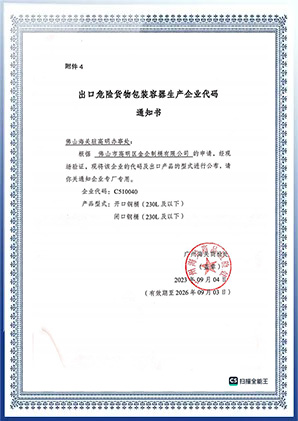
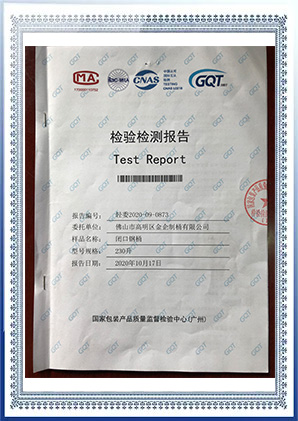
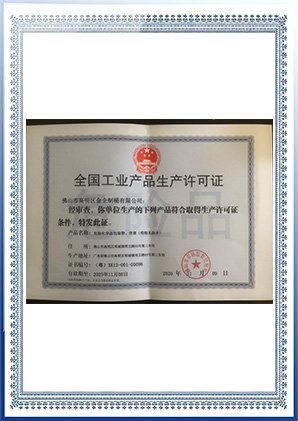
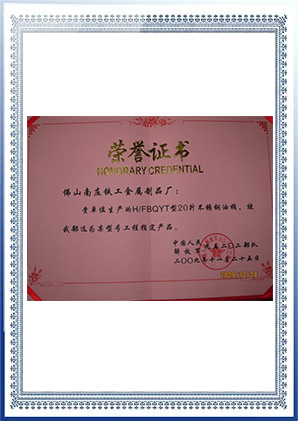
Explore our full range of UN-certified steel drums engineered for hazardous fuel containment, bulk food ingredient storage, and juice concentrate export applications worldwide.
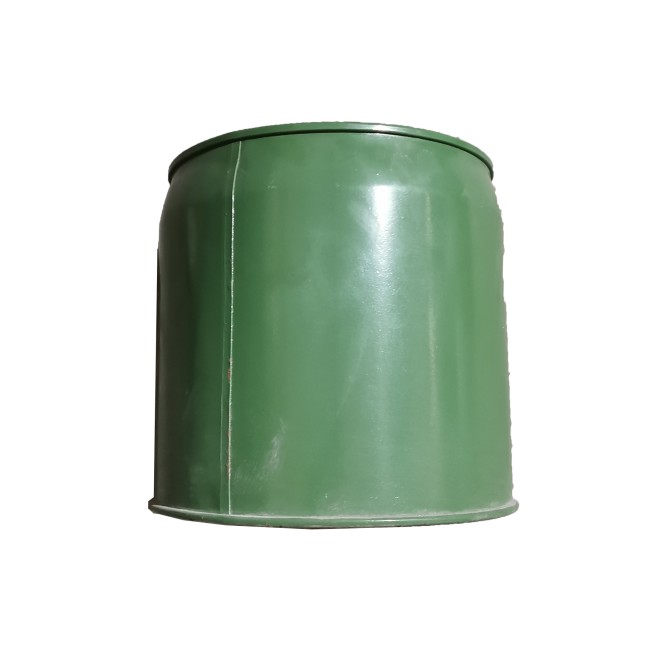
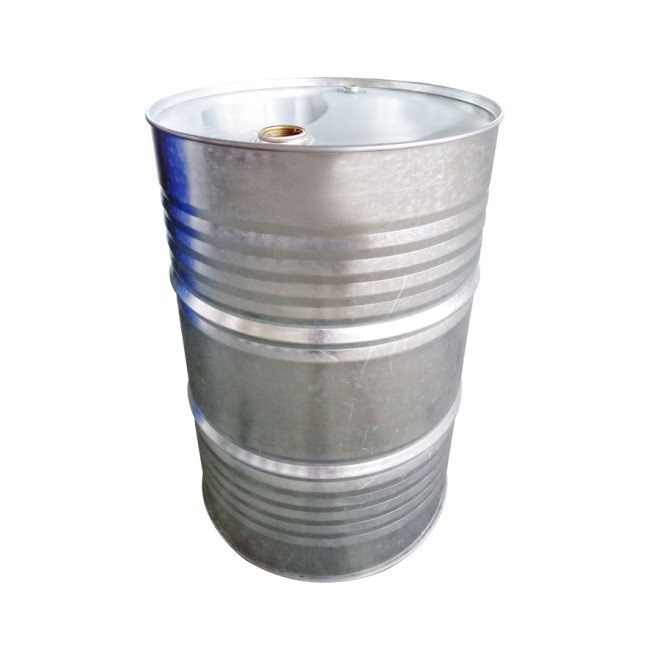
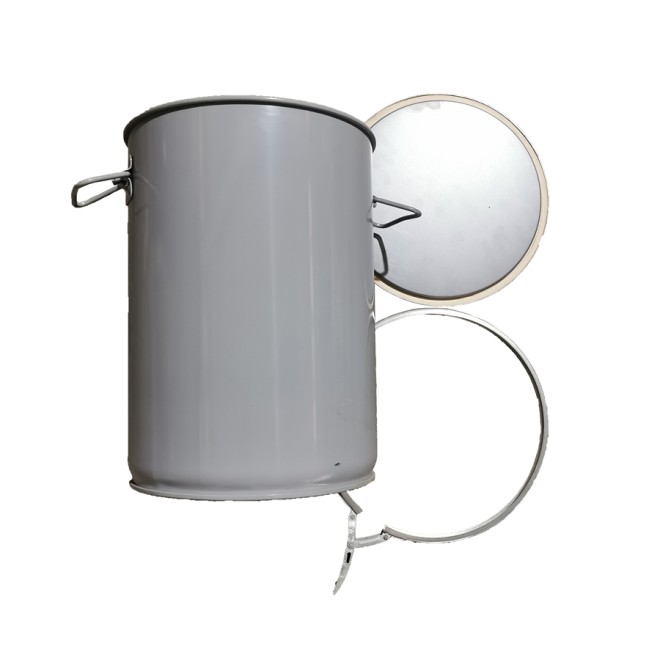
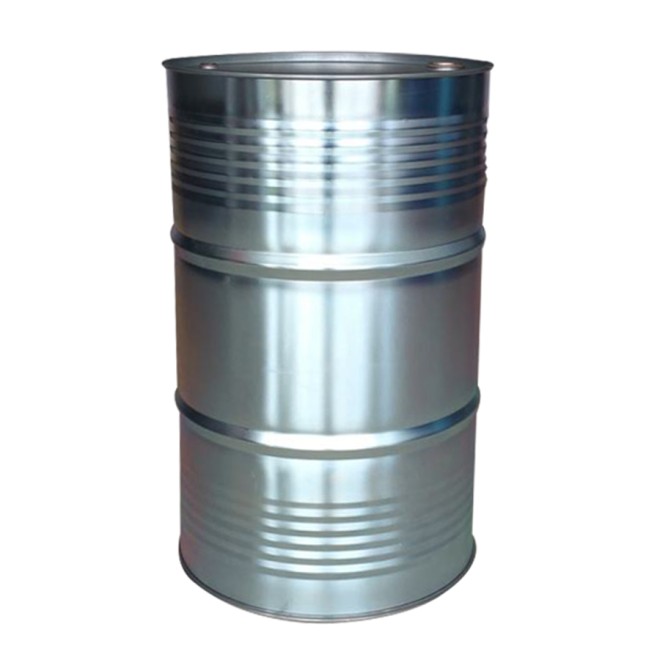
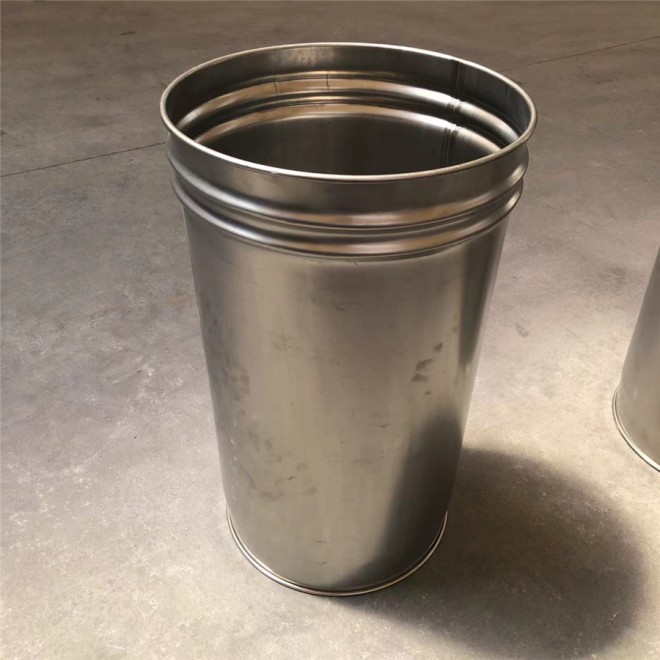
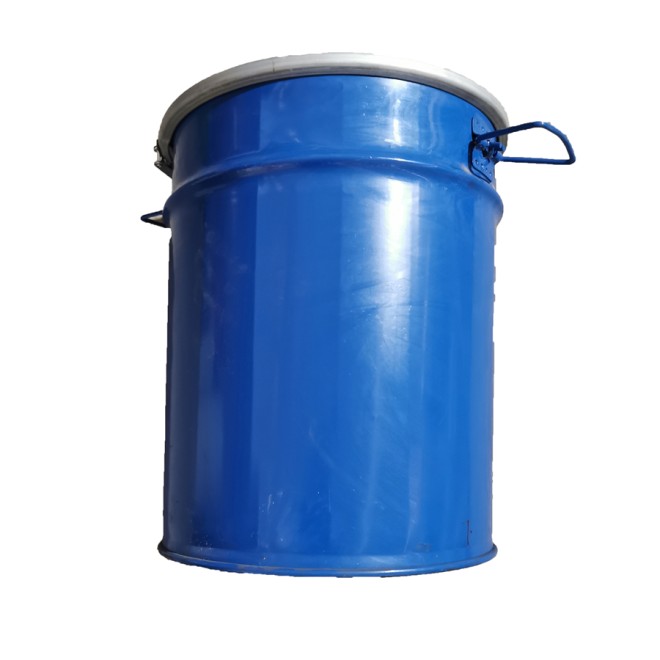
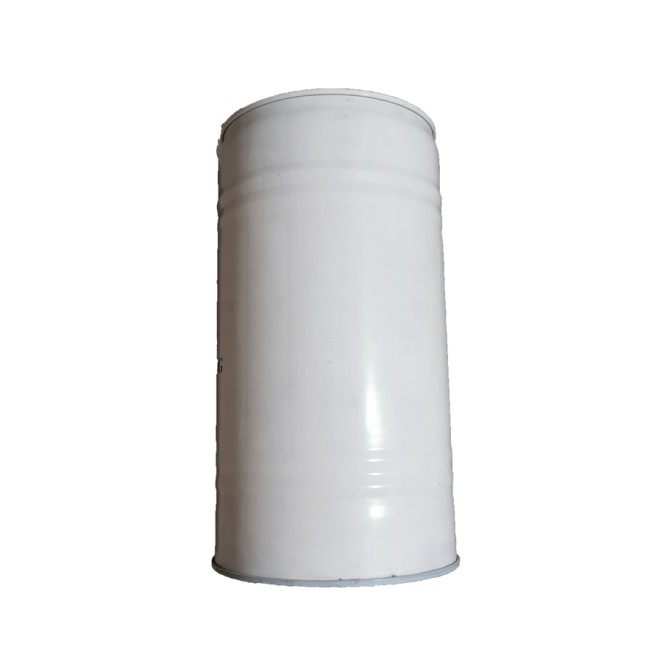
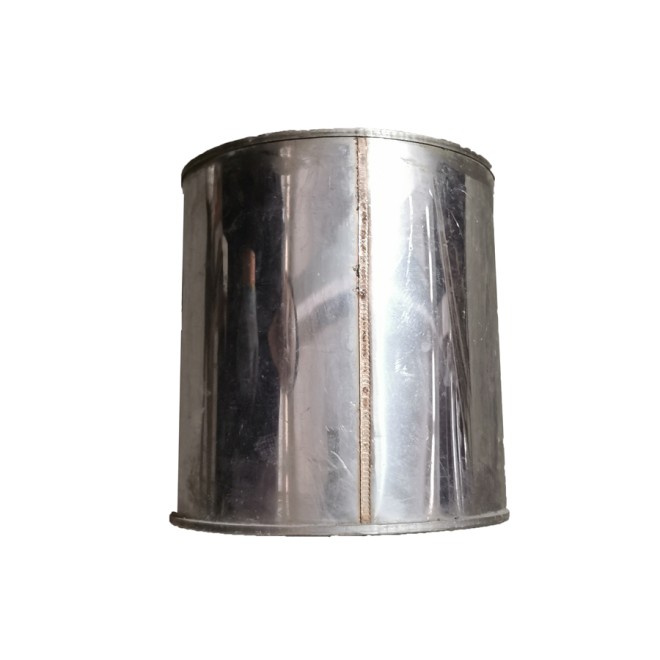
Connect with Foshan Qiaoyue Packaging — Foshan's leading manufacturer of UN-certified steel drums for bulk food ingredient suppliers, juice concentrate exporters, and hazardous material logistics professionals worldwide.
Get a Free Quote Today