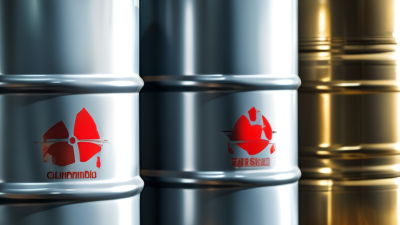
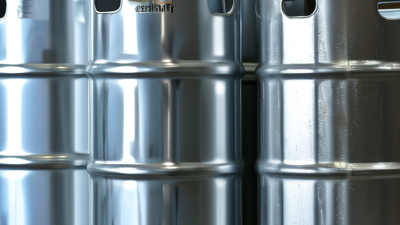
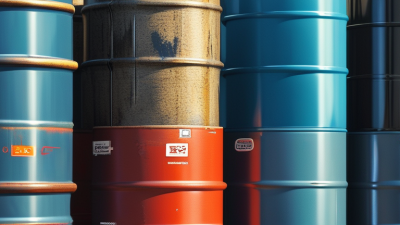
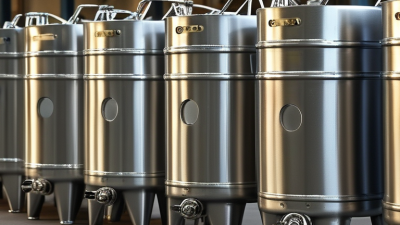
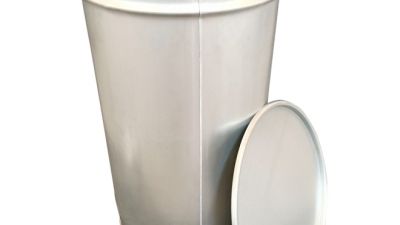
Shipping goods around the world really puts unusual demands on paint packaging. Think about it – a single container might go through port handling, vibrations, temperature swings, and even long storage times. That’s where the Paint Chemical Drum comes in handy. It strikes a pretty good balance between being tough, protecting the product, and making handling easier. Those sturdy walls help keep coatings safe from dents, leaks, and excess exposure during transit. Plus, with standardized sizes, you get safer pallet stacking and smoother warehouse moves.
From experience, I’ve learned that how you package your paint starts long before the drums hit the road. Stuff like viscosity, solvent content, how the lid fits, and the fill weight all impact how well those drums perform. Packaging engineers really need to check if the materials are compatible and whether the drums meet the shipping rules for different destinations. Keeping records—like inspections, seal checks, and batch traceability—really adds a layer of trust and reliability, especially when shipments hop from one logistics network to another.
And here’s the thing—those small details totally matter. A secure lid, a clean inner surface, and a properly fitted gasket can save you from costly headaches later on. Steel drums might be the best fit for tougher routes, but other materials could be better if you’re worried about weight or corrosion. Ultimately, the right choice depends on how your product behaves, the route conditions, and what kind of handling gear is involved. No single Paint Chemical Drum is perfect for every shipment—that’s just a fact. So, teams should always test the whole setup before rolling it out on a bigger scale, rather than just judging by looks. It’s also smart to review past shipment data and make tweaks if any issues pop up. Taking a careful, documented approach really helps maintain product quality, keeps your customers happy, and supports responsible distribution worldwide.
What Is a Paint Chemical Drum?
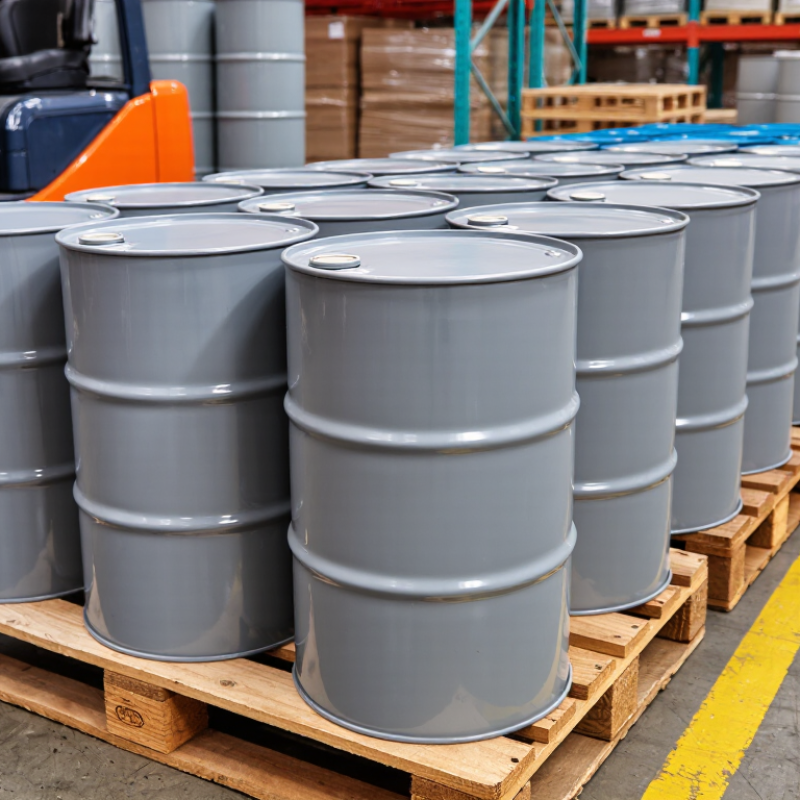
A paint chemical drum is a rigid container designed to store and transport liquid coatings, pigments, resins, and related chemical mixtures. It is usually made from steel or high-density plastic. The selected material must resist swelling, corrosion, softening, and chemical reaction. A compatible inner lining may protect both the product and the drum wall. This matters when the paint contains solvents, additives, or aggressive pigments.
The drum normally includes a secure closure, tamper evidence, and handling features for forklifts or drum lifters. During shipping, packaging specialists check the product’s viscosity, vapor pressure, flash point, and compatibility before selecting the container. A drum that looks suitable may still fail after temperature changes. Small leaks can appear around the bung or gasket. That detail is easy to overlook.
The term Paint Fuel Drum can create confusion. Paint and fuel require different technical evaluations, even when both use similar drum shapes. A paint chemical drum must be tested and marked according to the applicable transport rules for its contents. Requirements can vary by transport method and destination. Proper labeling, documentation, closure torque, and drop-test performance support safer global shipping. In practice, operators should inspect dents, rust, damaged seals, and unreadable markings before loading. One weak closure can affect an entire shipment. Selecting the cheapest drum first is tempting, but it may be a poor decision.
Which Materials and Designs Suit Paint Chemicals?
Paint chemicals demand drums that resist both the formulation and the journey. Material selection depends on solvents, pigments, additives, and storage temperature. High-density polyethylene suits many water-based paints because it resists corrosion and offers a lightweight structure. Steel drums can provide stronger impact protection for heavier loads or solvent-sensitive products. However, compatibility must be tested. A material that performs well in one formula may soften, swell, or crack with another.
A Paint Conical Drum can improve handling when thick coatings need controlled discharge. Its tapered interior helps reduce residue around the base. This matters when operators transfer expensive, high-viscosity paint. Smooth internal walls also support easier cleaning and inspection. Closures should include secure gaskets that match the chemical composition. Small leaks spread quickly. Fit matters.
Design details influence global shipping performance. Reinforced rims, stable stacking rings, and properly fitted lids help drums survive vibration and loading pressure. Venting needs careful consideration because temperature changes can increase internal pressure. The drum should also carry clear hazard, batch, and handling information required by the destination market. In practical testing, filled drums should be checked for drops, stacking, leakage, and temperature exposure. No design is perfect. A conical shape may improve emptying but reduce stacking efficiency, so engineers must balance usability with transport stability. Packaging specialists should confirm compatibility and shipment requirements before production.
Why Choose a Paint Chemical Drum for Global Shipping?
Representative nominal capacities of drum formats commonly used for transporting paint chemicals internationally. Steel drums provide strong mechanical protection, while HDPE drums offer broad compatibility with many water-based formulations. Final material selection should always be verified against the paint formulation, closure system, and applicable UN packaging requirements.
Capacity values are nominal: 55 US gallons equals approximately 208.2 litres. Actual capacities and permitted contents vary by drum design and regulatory certification.
How Does a Drum Protect Paint During Global Shipping?
A Paint Tapered Steel Drum gives paint a strong barrier during long-distance shipping. Its steel body resists punctures, stacking pressure, and rough handling at ports. The tapered shape also supports stable storage and easier handling when drums are nested or moved.
Paint can face vibration, temperature changes, and sudden impacts inside a shipping container. A tight closure helps prevent leakage when the container shifts during transport. The drum’s smooth interior can reduce residue and support more complete discharge at the destination. Small leaks escalate quickly.
Proper preparation still matters. The drum should match the paint’s weight, viscosity, and chemical characteristics. Closures need suitable gaskets, while headspace should allow for thermal expansion. Excessive filling can create pressure problems in hot conditions. That detail matters.
In practical shipping work, I would inspect seams, lids, bung fittings, and exterior coatings before loading. A damaged rim may compromise the seal, even when the drum looks usable. Pallets, separators, and bands can limit movement during ocean or road transport. However, no container removes every risk. Poor securing, incorrect labeling, or unsuitable storage temperatures can still damage the shipment. Shipping teams should verify packaging requirements for each route and destination before dispatch.
What Shipping Regulations Apply to Paint Chemical Drums?
Choosing a paint chemical drum for global shipping starts with the contents, not the container alone. Solvents, resins, pigments, and water-based coatings may receive different dangerous goods classifications. A competent shipper should review the current Safety Data Sheet. It should identify the proper shipping name, UN number, hazard class, and packing group. These details determine whether the drum needs UN performance approval. They also affect labels, marks, documents, and transport limits. Rules vary by route. Sea shipments generally follow the IMDG Code, while air shipments follow stricter international requirements. Road and rail movements depend on local systems, such as ADR or national regulations.
A compliant drum needs more than a strong shell. Inspect the closure, gasket, bung, and inner coating for chemical compatibility. A small leak can spread across a pallet during temperature changes. Use tested packaging, secure closures to the specified torque, and prevent drum movement. The package may require orientation arrows, hazard labels, handling marks, and emergency contact details. Shipping documents must match the drum exactly. Even a small difference in product name or quantity can delay a consignment. Requirements may also change when goods cross borders. Current official guidance matters more than an old template.
Tips: Keep the Safety Data Sheet, test certificate, packing instructions, and sealed-drum photos together. Confirm requirements with a qualified dangerous-goods professional before booking. No checklist is perfect. Familiar packaging can create false confidence. Recheck ventilation, temperature exposure, closure condition, and inspection records before loading.
How Should Paint Drums Be Labeled and Prepared?
Why Choose a Paint Chemical Drum for Global Shipping?
A paint chemical drum should match the product’s chemistry, density, and transport conditions. Steel or plastic construction must resist corrosion, swelling, and leakage. Confirm compatibility before filling. Do not guess.
Each drum needs accurate product identification, including the product name, batch number, net quantity, and manufacturer details. If the paint is classified as dangerous goods, add the correct UN number, proper shipping name, hazard labels, and packing group. These details must match the safety data sheet and transport documents. Keep it legible.
Labels should remain attached during handling, moisture exposure, and temperature changes. Use durable materials and place markings where workers can see them easily. Local language requirements may also apply at the destination. A label can look complete and still fail inspection when one detail differs from the paperwork.
Preparation starts with a clean, dry, compatible drum. Inspect the body, seam, lid, gasket, and closure before filling. Leave suitable headspace for thermal expansion. Tighten closures to the documented specification, then check for seepage after movement. Secure each drum against rolling or impact inside the shipment. Photographs of the final load can support traceability, although they cannot replace inspection records. Global rules vary, so a qualified dangerous goods professional should verify the classification and packaging before dispatch.
How Can Businesses Choose the Right Paint Chemical Drum?
Why Choose a Paint Chemical Drum for Global Shipping?
How Can Businesses Choose the Right Paint Chemical Drum?
Selecting a drum starts with chemical compatibility, not appearance. Review the paint’s solvent, pigment, acidity, and storage temperature. A Paint Stainless Steel Drum can resist many aggressive formulations, but the steel grade still matters. Internal linings may be necessary. Test them with the actual mixture.
Packaging must also match international transport rules. The UN Recommendations on the Transport of Dangerous Goods require performance-tested packaging for regulated chemicals. Check the UN marking, closure design, wall thickness, and drop-test rating. The IMDG Code controls many sea shipments. UNCTAD’s Review of Maritime Transport 2024 states that ships carry over 80% of global merchandise trade by volume. Small packaging failures can travel far.
Think beyond the factory floor. Measure pallet dimensions, drum stacking strength, forklift access, and port humidity. A tight bung helps, but it does not replace correct gasket selection. Inspect every closure before loading. A drum can look perfect and still leak after vibration. That is the uncomfortable part. Some purchasing teams choose by price alone, then discover corrosion months later. Supplier certificates, batch traceability, and documented pressure testing improve reliability. Still, specifications need review. Paint formulas change, and yesterday’s successful drum may be wrong for today’s formulation.
200-230L Galvanised Conical Steel Drum: Features, Applications, Benefits, and Selection Guide
The 200–230L galvanised conical steel drum is designed for high-volume industrial storage and transport. Its carefully specified capacity provides practical space for bulk materials, while the galvanised steel body offers improved resistance to moisture, oxidation, and everyday handling damage. The conical form supports efficient filling, controlled discharge, and stable stacking when used with suitable pallets or handling equipment. Reinforced construction and accurately formed seams also help maintain structural strength during loading, movement, and warehouse storage.
This type of drum is suitable for sectors such as coatings, general chemicals, hardware components, raw-material distribution, and industrial warehousing, provided the stored contents are compatible with galvanised steel. The smooth internal surface can simplify emptying and cleaning, while the rigid outer shell helps protect contents from impact and deformation. Depending on operational requirements, users may select different lid arrangements, closure systems, internal finishes, and handling accessories to match filling lines, transport conditions, and storage environments.
When selecting a 200–230L conical steel drum, consider the actual working volume, material compatibility, wall thickness, galvanisation quality, closure security, and required load rating. Attention should also be given to dimensional consistency, pallet configuration, lifting methods, and whether the drum will be exposed to outdoor humidity or frequent relocation. Choosing a specification that matches both the contents and the logistics process helps support safe, efficient, and durable industrial use.
FAQS
High-density polyethylene often suits many water-based paints. It resists corrosion and keeps the package relatively light. Compatibility still needs testing. One formula may soften another material.
Steel can protect heavier loads from impacts during handling. It may also suit formulations requiring stronger structural support. However, the inner surface and chemical compatibility need inspection. Stronger does not always mean safer.
A tapered interior can guide viscous paint toward the outlet. It may reduce residue around the bottom. Smooth walls also simplify cleaning and inspection. Emptying improves, but stacking may become less efficient.
Check the bung, lid, gasket, and inner coating carefully. Their materials must resist the paint chemicals. Tighten closures to the specified torque. Small leaks can spread across a pallet.
Review the current Safety Data Sheet before selecting the package. Confirm the shipping name, identification number, hazard class, and packing group. These details affect markings, documents, and transport limits.
Yes, sea, air, road, and rail transport can follow different requirements. Air transport often applies stricter controls. Border crossings may introduce additional rules. Old templates can become unreliable.
Test filled drums for drops, stacking pressure, leakage, and temperature exposure. Check them after vibration and loading simulations. Inspect the closures again before shipment. Testing may still miss unusual conditions.
Keep the Safety Data Sheet, test certificate, packing instructions, and sealed-drum photos together. Confirm labels and quantities match the documents. Check drum movement, ventilation, and temperature exposure. No checklist catches everything. Recheck the obvious.
Conclusion
A Paint Chemical Drum is a purpose-built container designed to store and transport liquid coatings, solvents, and related paint chemicals safely. Its construction may include steel, plastic, or specialized internal linings, depending on the product’s chemical properties. Features such as secure closures, strong seams, leak resistance, and suitable capacity help protect the contents from contamination, impact, moisture, and temperature changes during global shipping.
Selecting the right drum requires careful attention to chemical compatibility, durability, handling needs, and transportation conditions. Businesses should follow applicable shipping and safety requirements, use accurate product information, and ensure that each container is properly sealed, inspected, marked, and documented before dispatch. Clear labels should identify the contents, handling instructions, hazards, and emergency information where required. By matching the drum’s material and design to the paint chemical and preparing the shipment responsibly, companies can reduce leakage risks, support regulatory compliance, and maintain product quality throughout the supply chain.

 Get Your Quote
 Email