When you're picking out a stainless steel drum, it's really important to make an informed decision. I mean, experts like John Smith, who's a senior engineer over at Steel Drums Inc., often say that "choosing the right drum can really make a big difference when it comes to your storage needs." That kind of hits home, right? It just goes to show how crucial it is to really understand what to look for.
There are actually quite a few factors to keep in mind—things like durability, how well it resists corrosion, and the size. Paying attention to these little details can make all the difference in ensuring your setup works smoothly. And don’t forget, chatting with knowledgeable suppliers is super helpful—they can steer you in the right direction and help you pick something that fits your needs.
Now, with so many options out there, it’s easy to get overwhelmed. Not all drums are built the same, and some can’t handle tough conditions, which is a total deal-break in terms of reliability. Taking a moment to think about what you actually need can save you from a lot of headaches down the road. Also, keep in mind that a carbon steel stainless steel drum might not always be the best choice for your specific situation. Do your homework, weigh your options—sometimes, a better alternative might just be out there waiting for you.
Understanding the Types of Stainless Steel Drums Available
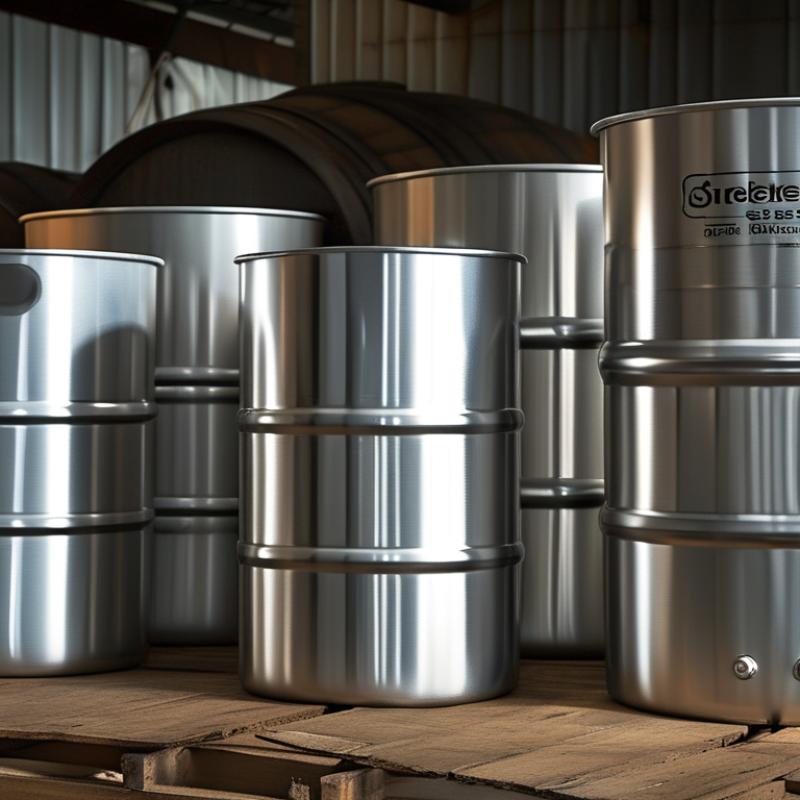
When selecting a Stainless Steel Drum, understanding the types available is crucial. There are several variations, each designed for specific uses. For instance, you’ll find drums suitable for food storage, chemicals, or even industrial applications. Each type boasts unique properties to meet different needs.
Many people overlook the significance of the drum's gauge. A lower gauge indicates a thicker material. Thicker drums offer enhanced durability but may be heavier. On the other hand, thinner drums are lighter yet may not withstand heavy use. Also, consider the interior finish. Some drums are polished for food use, while others have a more industrial finish.
Pay attention to the size as well. Choosing the right capacity is essential. An oversized drum can waste space, while a small one might not hold adequate material. Assess how often you will need to refill. While a larger capacity could save time in some cases, it may also lead to waste if not used efficiently. Many users find it challenging to balance size and weight, often leading to mistakes. Thoughtful reflection on these aspects can help in making a better choice in selecting a Stainless Steel Drum.
Evaluating the Quality of Stainless Steel Material
When evaluating the quality of stainless steel material for drums, consider the thickness of the steel. A thicker gauge usually means more durability and resistance to dents. Pay attention to the finish as well. A polished finish not only looks appealing but can also resist rust better than rough textures.
It's essential to check for any imperfections in the drum. Scratches or spots might indicate poor-quality steel. Look for unique features in the construction. Does it include welding or seamless technology? Seamless drums often provide better sound quality and longevity.
In the Stainless Steel Drum Uk market, you should also consider the weight. A heavier drum can often withstand rigorous playing conditions. However, heavy drums may be challenging to transport. Balancing weight with performance is crucial. Remain critical of claims made by sellers. Always seek reliable reviews from users. Their experiences can offer valuable insights into the drum's quality and performance in real-life scenarios.
Considering the Size and Capacity Requirements for Your Needs
When selecting a stainless steel drum, size and capacity are crucial factors. The right size will depend on your specific needs. Consider what you will store or transport in the drum. For example, if you need to handle liquids, a larger capacity may be necessary. On the other hand, smaller drums can be better for solid materials or limited spaces.
Many people overlook the importance of measuring space before buying. Measure your storage area to ensure a good fit. Choosing the right capacity is key for efficiency. Too small, and you may have to make multiple trips. Too large, and you risk wasting space or resources.
Finally, think about the type of projects you handle. If you're frequently moving materials, a portable size can be helpful. Sometimes, smaller drums are easier to manage. Remember, it’s about finding a balance between capacity and practicality. Reflect on how you plan to use the drum; this will guide you in making the best decision.
Assessing the Drum's Design and Features for Durability
Choosing a stainless steel drum requires careful consideration of its design and features. The drum’s construction plays a vital role in its durability and performance. Look for drums made from high-grade stainless steel. This material resists rust and corrosion, making it ideal for various environments. Thicker metal often translates to better sound quality, so pay attention to the gauge. However, too heavy a gauge may add unnecessary weight.
Evaluate the design elements as well. Curved shapes tend to enhance resonance. Sharp edges or poor welding can lead to structural weaknesses. Test the drum's finish. A smooth, polished surface not only looks good but also affects sound clarity. Remember, not all designs suit every player. Some drummers prefer a minimalist style, while others enjoy intricate decorations. Finding a balance that meets your personal style is key.
It's also crucial to assess the overall functionality. Consider added features, such as adjustable drumheads or versatile mounts. These aspects can enhance your playing experience, but they may introduce complexity. A drum with too many attachments can be cumbersome. Thus, reflect on what truly matters for your music. In the end, the best drum is the one that resonates with you in both sound and playability.
Top 10 Tips for Choosing the Best Stainless Steel Drum
This chart illustrates the importance ratings of various features to consider when choosing the best stainless steel drum. Each feature is rated on a scale from 1 to 10 based on its significance for durability and overall performance.
Reviewing Manufacturer Reputation and Customer Reviews
When choosing an Ink Stainless Steel Drum, examining the manufacturer’s reputation is vital. A trusted brand usually indicates quality. Look for company history and industry experience. Reliable manufacturers have consistent positive feedback. These aspects suggest durability and performance in the long term.
Customer reviews provide real-world insights. They reflect user experiences with the drum over time. Satisfied customers often highlight usability and quality. Pay attention to recurring praise or criticism. Negative comments can reveal potential flaws.
Consider the materials used in construction. Quality stainless steel can enhance performance. Reviews can help identify which options are best. Look for users sharing specific details about their experiences. This information can guide your decision-making effectively.
Examining Price Points and Budget Considerations
When considering a stainless steel drum, price points are crucial. Quality varies significantly, with many options available. A recent industry report indicates that the average cost of a stainless steel drum ranges from $100 to $500, depending on size and manufacturing quality. Higher prices often reflect better durability and performance. Knowing your budget will help narrow down choices quickly.
It's essential to examine what you truly need in a drum. Will you use it for heavy-duty purposes? Or is it more for occasional use? These questions can guide your spending. Sometimes, opting for a lower price may seem tempting. However, it could lead to frequent replacements or repairs. The Stainless Steel Drum Moq can be a deciding factor in pricing. Bulk purchasing might offer significant discounts.
While the features are critical, be cautious of overly low-priced options that lack essential quality standards. Invest in a drum that meets your needs; it is worth paying extra for a robust product. Pricing should not be the only consideration. Evaluating long-term value can save money in the end. A thoughtful approach will lead to a better purchase decision.
Looking Into Maintenance and Care Tips for Longevity
When it comes to stainless steel drums, proper maintenance is essential for longevity. Cleaning your drum regularly can prevent rust and corrosion. Use a soft cloth and mild detergent to wipe away grime. Avoid abrasive cleaners, as they can scratch the surface. When drying, use a microfiber cloth to prevent water spots.
Another vital tip involves mindful storage. Store your drum in a cool, dry place to avoid moisture build-up. If you live in a humid area, consider using silica gel packets. This simple solution absorbs excess moisture and keeps the interior dry. Remember, the environment affects your drum’s lifespan.
Additionally, check for dents and scratches. These imperfections can lead to larger issues over time. Inspect the drum periodically and address any damage promptly. This proactive approach can save you from costly repairs later. Ultimately, a little attention goes a long way in keeping your stainless steel drum in prime condition.
FAQS
: The size depends on what you plan to store or transport. Larger drums are better for liquids.
Measure the space before buying a drum. This ensures the drum fits well in your area.
Choose a capacity that meets your needs. Too small means multiple trips; too large wastes space.
Trusted manufacturers often indicate better quality. Look for histories of consistent positive feedback.
Focus on real experiences. Praise for usability and quality is a good sign.
Use a soft cloth and mild detergent. Avoid abrasive cleaners to prevent scratches.
Keep it in a cool, dry place. This helps prevent moisture build-up.
Inspect your drum regularly. Address damage quickly to avoid larger issues later.
Humidity can impact lifespan. Use silica gel packets to absorb excess moisture.
Regular cleaning, mindful storage, and proactive damage check-ups go a long way.
Conclusion
When choosing the best Stainless Steel Drum, it is essential to understand the different types available to ensure you select one that meets your specific needs. Evaluating the quality of the stainless steel material is crucial, as it impacts durability and performance. Additionally, considering size and capacity requirements will help you determine the most suitable option for your intended use.
The design and features of the drum should also be assessed for long-lasting performance, along with reviewing the manufacturer’s reputation and customer feedback to ensure reliability. Price points must be taken into account, as they can vary significantly, so establishing a budget is advisable. Finally, familiarize yourself with maintenance and care tips to extend the lifespan of your Stainless Steel Drum, ensuring it remains in optimal condition over time.

 Get Your Quote
 Email