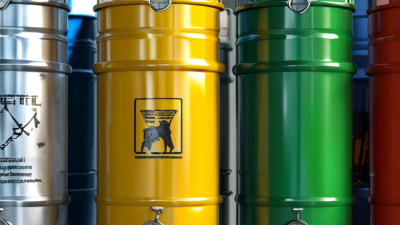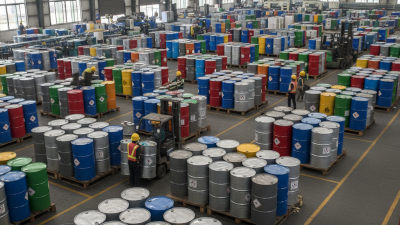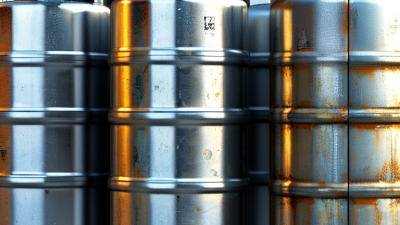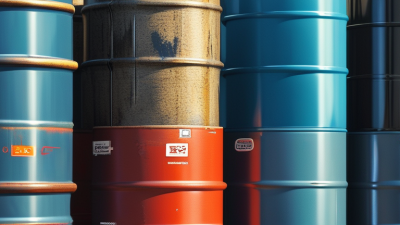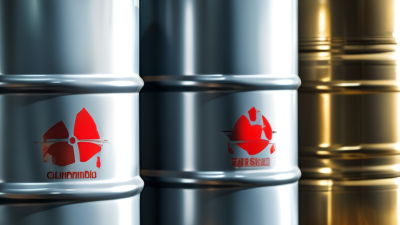
Choosing a Solvent Fuel Drum isn’t just about comparing prices or colors—there’s a lot more to it. Honestly, buyers around the world need to think about things like whether the material is compatible with their substance, how the closure is designed, the wall thickness, how stable it is during transport, and whether it comes with proper quality documentation. For example, a steel drum might handle impacts pretty well, but a high-density polyethylene drum could be lighter and offer strong resistance to chemicals. The catch? Neither is perfect for every kind of solvent, climate, or shipping route. It’s always a bit of a balancing act.
Walter Soroka, a well-known expert in packaging technology, once said, “Packaging is the science, art, and technology of enclosing and protecting products.” Honestly, that still rings true here. A good solvent fuel drum needs to guard against leaks, moisture, contamination, and handling mishaps. When you’re shopping around, don’t forget to check out the UN performance markings, gasket materials, bung design, internal coatings, and even how the drums are palletized. Also, knowing the supplier’s traceability info is pretty important. Sure, companies like Greif and Mauser are pretty well-known, but don’t just go on reputation alone—make sure to verify the technical details, too.
This guide breaks down ten different kinds of drums that international buyers usually consider. It compares open-head versus tight-head options, steel versus plastic bodies, lined containers, reusable models, and even some specialized formats designed for fuel. Some drums are better suited for hot warehouses, while others excel at stacking, long-distance shipping, or repeated use in dispensing. The rankings can be helpful, but they’re not set in stone. Factors like the specific chemicals involved, local transport rules, and filling equipment can totally change what’s best for you. Remember, tiny details matter— a poor seal can ruin what appears to be a great drum. Always double-check current safety certifications and regional requirements before placing your order, because one size does *not* fit all when it comes to global standards.
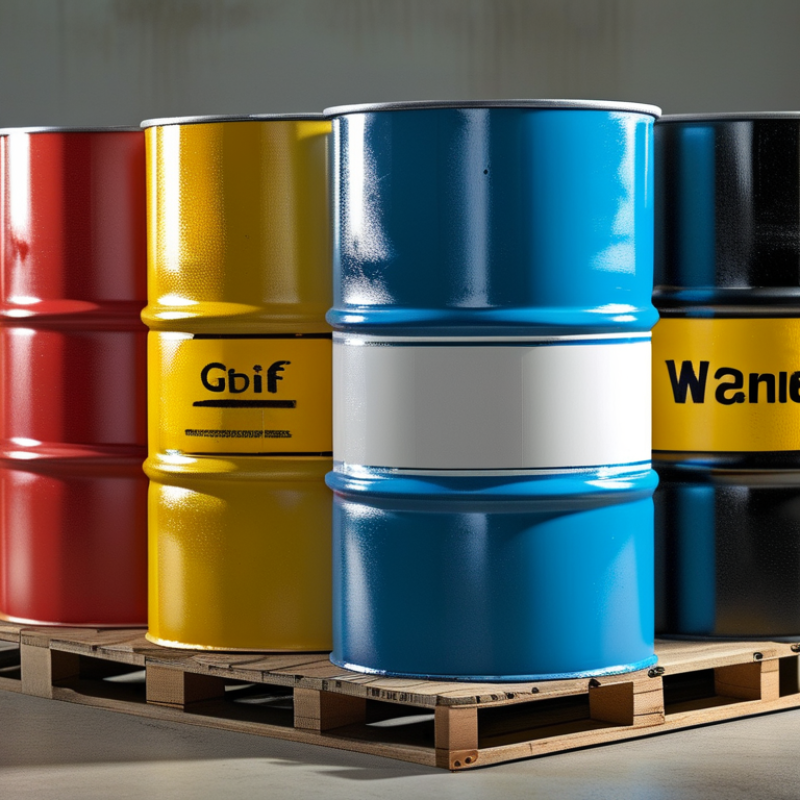
Solvent fuel drums are industrial containers designed to hold solvents, fuel-related liquids, and other compatible chemicals during storage or transport. Their construction usually includes carbon steel, stainless steel, or high-density polyethylene. Common forms include tight-head drums, open-head drums, stackable drums, and the Solvent Conical Drum. Each type serves a different handling need.
Global buyers often select drums by liquid compatibility, capacity, closure design, and transport requirements. A steel drum may suit heavier solvents and repeated handling, while plastic can reduce corrosion concerns. Conical designs help improve stacking and emptying efficiency. Small details matter. A poorly matched gasket may swell, leak, or weaken after weeks of contact.
Experienced purchasers review the safety data sheet before ordering. They also check drum certification, wall thickness, filling limits, pallet stability, and labeling space. Ventilation and ignition-control measures remain important during storage. Regional rules can differ, so a container accepted for one route may need another approval elsewhere. This is easy to overlook. I would not treat “universal” drum claims as reliable without testing, documentation, and supplier verification. A pilot shipment can reveal handling problems that specifications miss, especially when drums face hot warehouses, rough roads, or repeated opening.
For global buyers, a Solvent Chemical Drum is defined by its material, not its label. Carbon steel offers strong impact resistance and reliable stacking strength. It suits many hydrocarbon-based liquids, but moisture can trigger internal corrosion. Stainless steel handles aggressive solvents better and tolerates repeated cleaning. Its higher purchase cost can become reasonable during long service cycles.
HDPE drums are lightweight, corrosion-resistant, and easy to move. However, some solvents can permeate plastic or weaken the wall. Fluorinated HDPE improves chemical resistance, though its performance still depends on solvent concentration and temperature. Aluminum reduces weight and resists rust, but dents can compromise closures and handling safety. The International Aluminium Institute reports that recycled aluminum uses about 5% of the energy required for primary production. The World Steel Association also notes that steel can be recycled repeatedly without losing its inherent properties. These figures matter when buyers compare lifecycle performance, not only unit price.
Tips: Check the drum body, gasket, liner, and closure as one system. Request compatibility testing under actual temperature conditions. ASTM D543 chemical-resistance testing can support material selection. Do not assume a thicker wall guarantees better protection. A weak gasket can fail first. I would also question recycled-content claims without traceable documentation, because “recyclable” does not always mean “recycled.” Small details often decide whether a drum survives storage, transport, and repeated handling.
Top 10 Solvent Fuel Drum Types for Global Buyers
The top ten solvent fuel drum types differ by construction, resistance, and intended application. Tight-head carbon steel drums suit sealed liquids and routine industrial transport. Open-head steel drums work better for thicker materials requiring easier filling and cleaning. Stainless steel drums offer stronger corrosion resistance for aggressive solvents and repeated use. HDPE plastic drums are lightweight and practical for compatible liquids. Conductive HDPE drums help control static risks during regulated handling.
Fluorinated HDPE drums provide an added chemical barrier for selected solvents. Barrier-lined steel drums protect sensitive contents from metal contact. Composite plastic-steel drums combine impact strength with reduced weight. Fiber drums with verified liners may serve dry, nonflammable solvent products. Salvage overpack drums are designed for damaged-package containment, not normal storage. Compatibility still depends on the exact chemical formulation.
Tips: Check the safety data sheet, closure design, gasket material, and required performance certification. A black drum may absorb more heat outdoors. A thinner drum may lower cost, but it can deform during rough handling. Test a sample under real temperature and stacking conditions. This step is often skipped. That can be an expensive mistake. Buyers should also confirm grounding procedures, pallet dimensions, and local transport requirements before ordering. "Universal" drum selection is rarely truly universal.
Selecting among the top solvent fuel drum types starts with capacity, not appearance. Common options include 20, 60, 120, and 200-liter drums. For global buyers, a 200-liter format may reduce handling costs and pallet space. However, smaller drums can limit exposure after opening and simplify manual movement. Weight matters too. A full steel drum can require mechanical handling, especially in warm warehouses.
Closure systems directly affect protection during storage and transport. Threaded plugs support controlled dispensing and repeated access. Lever-lock lids offer fast opening, but gasket compression must be checked carefully. Bolt-ring closures can provide firm sealing for longer storage periods. Always verify gasket material against the solvent’s chemical properties. Small leakage becomes expensive quickly. An attractive closure is not automatically a reliable one.
Linings protect both the contents and the steel wall. Epoxy, phenolic, and polymer coatings may suit different solvent families, but compatibility data should guide selection. A Solvent Tapered Steel Drum can improve stacking stability and handling, yet its lining still needs inspection before filling. Check for pinholes, scratches, odor transfer, and uneven coating. One practical lesson is easy to miss: lining choice is often treated as a checkbox. That is a mistake. Request test evidence, confirm closure torque, and review storage temperature limits before approving a drum for international distribution.
Top 10 Solvent Fuel Drum Types for Global Buyers?
Which Safety, Quality, and Transport Standards Apply Worldwide
Global buyers compare ten practical drum configurations: tight-head carbon steel, open-head steel, stainless steel, conductive HDPE, barrier HDPE, composite, fiber, salvage, overpack, and reusable UN-tested drums. Material choice depends on compatibility, vapor control, static risk, and closure performance. Solvent fuel is not a single shipping class. Each formulation requires its own flash point, packing group, and UN number. The UN Recommendations on the Transport of Dangerous Goods, 23rd revised edition, provide the global model framework. ISO 16106:2020 adds quality guidance for tested dangerous-goods packaging.
Transport changes the evidence required. Road shipments generally reference ADR, sea cargo follows the IMDG Code, and air cargo uses stricter ICAO Technical Instructions. The IMDG Code 2024 edition became mandatory in 2026, an important detail for current contracts. UNCTAD’s Review of Maritime Transport 2024 reports that about 80% of global merchandise trade by volume moves by sea. That exposure makes closures, labels, segregation, and moisture protection operational issues, not paperwork. Before loading, buyers should verify UN performance marks, drop tests, leak tests, stack limits, grounding procedures, and inspection records. Ask for the actual test certificate.
Workplace storage adds another layer. NFPA 30 and OSHA 29 CFR 1910.106 influence flammable-liquid storage in the United States. Local fire codes still control the final layout. GHS Rev. 10 supports consistent hazard communication, but adoption details vary. A useful audit checks SDS revision dates, closure torque, drum age, bonding points, and emergency access. One weakness remains: suppliers sometimes quote “UN approved” without naming the tested liquid or packing group. Do not accept that shortcut. Confirm temperature limits too; a cold warehouse and a hot container can expose different failures.
Global buyers comparing ten solvent fuel drum types should look beyond unit price. They should compare steel grade, lining, closure design, testing, and delivery evidence. A Solvent Stainless Steel Drum may reduce corrosion concerns, but its premium needs proof. Request material certificates, leak-test records, and production photos. Check 200-liter and 216.5-liter options against your filling line. Small dimensional differences can create costly handling problems. The World Bank’s Logistics Performance Index 2023 measures customs, infrastructure, and shipment reliability. Ask suppliers for clearance documents before payment.
Cost comparison should include the drum, pallet, compliant packaging, inland freight, ocean freight, insurance, and disposal. UNCTAD’s Review of Maritime Transport 2023 states that over 80% of global merchandise trade by volume moves by sea. Port congestion and container availability therefore affect real costs. Get a landed-cost sheet, not only a factory quote. Compare minimum order quantity, lead time, delivery terms, and replacement policies. ISO 15750 and UN transport recommendations provide useful references for drum performance and handling requirements. Claims can still be vague. Ask for the exact test standard and certificate number. I have found that the cheapest offer may hide inspection or reconditioning costs.
Tips: Score each supplier for verified steel grade, test documents, landed cost, capacity, and delivery history. Request two sample drums. Fill one with water for handling checks. A solvent trial may reveal seal swelling. Do not assume stainless steel solves every compatibility issue. Temperature, vapor pressure, and closure materials still matter. Review the Safety Data Sheet with a qualified dangerous-goods specialist. Reserve space early during peak shipping periods.
Recent market outlooks on steel drums and industrial packaging forecast steady expansion through 2030, with reported growth generally in the low-to-mid single-digit CAGR range. Research on protective coatings also identifies corrosion resistance, longer service life, and reduced product contamination as key purchasing factors. These findings support the continued use of epoxy-lined metal drums for demanding storage and transport applications involving coatings, chemicals, oils, and industrial materials.
Our premium 60-litre blue conical metal drum is manufactured in China from cold-rolled or galvanised steel, with a material thickness of 0.5–0.8 mm for dependable strength and durability. Its specialized internal epoxy lining helps protect against rust and corrosion, while the reinforced corrugated body improves structural stability during handling. Durable handles add practical convenience for warehouses and production sites. In line with market reports emphasizing customization and operational efficiency, the drum is available in multiple colours with optional silk-screen logo printing. This combination of robust construction, protective lining, and flexible design makes it a reliable packaging solution for professional supply chains.
Carbon steel offers impact resistance and strong stacking performance. Moisture may cause internal corrosion. Stainless steel handles aggressive solvents and repeated cleaning better.
No. Some solvents permeate plastic or weaken its walls. Fluorinated plastic improves resistance, but temperature and concentration still matter.
Aluminum is lightweight and resists rust. However, dents may damage closures and create handling concerns. A lighter drum is not automatically safer.
Compare purchase price, service life, handling, cleaning, and recycling potential. A costlier drum may perform better over repeated use.
Common capacities include 20, 60, 120, and 200 liters. Larger drums may reduce pallet space. Smaller drums simplify manual movement and limit exposure after opening.
Threaded plugs support controlled dispensing and repeated access. Lever-lock lids open quickly. Bolt-ring closures may suit longer storage periods.
Match the gasket material with the solvent’s chemical properties. Check compression and closure torque. Small leaks become expensive quickly.
Linings protect the contents and steel wall. Inspect for pinholes, scratches, odor transfer, and uneven coating before filling. A weak gasket can fail first.
Not necessarily. Material compatibility, gasket quality, lining condition, and closure design also control performance. I would not approve thickness alone.
Request compatibility testing at actual storage temperatures. Chemical-resistance testing can support material decisions. Recheck traceable recycled-content claims; recyclable does not mean recycled.
This guide explains how a Solvent Fuel Drum supports the safe storage, handling, and international transport of approved solvents and fuel-related liquids. It introduces the main drum materials, including steel, plastic, and specialized composite options, and shows how material selection affects chemical resistance, durability, weight, and environmental performance. It also reviews ten common drum types categorized by design and application, such as open-head, tight-head, lined, stackable, UN-rated, and reusable models.
Global buyers will learn how capacity, closure systems, gaskets, and internal linings influence compatibility, leakage prevention, and operational efficiency. The guide also highlights the importance of safety testing, quality control, labeling, and transport standards that may apply across different markets. Finally, it outlines practical ways to compare suppliers by total cost, production consistency, customization, documentation, minimum order quantities, and delivery capability, helping purchasers select reliable drum solutions for compliant and efficient global supply chains.