Leave Your Message
0%

When folks are shopping for steel drums globally, they usually compare a few key things—capacity, lining, how the closure is designed, and how easy it is to handle. The closed head steel drum still tends to be the go-to choice when you need a fixed top with secure openings. Little details actually matter a lot—things like where the bung is positioned, how well the gasket fits, and the condition of the coating can all influence how you fill, store, and transport the drum. In this guide, I’ll walk you through some of the main types of drums out there and highlight the practical trade-offs behind each one.

Getting a good comparison starts with understanding the material and what you need the drum to do. For example, a Carbon Steel Closed Head Steel Drum can come in different gauges, with various internal linings, exterior finishes, and closure options. So, it’s really important that buyers double-check those specs with the manufacturers—ask for up-to-date technical info and don’t be shy about it. And when you’re talking about expert opinions, it helps to include a verified industry specialist’s name and their take—something like: “[Verified expert name]: ‘[Expert’s quote about choosing or using drums].’” I left that part open on purpose—we want to keep things accurate, even if the quote isn’t from a famous person. The goal here is to help you ask smarter questions, compare different options more effectively, and avoid making decisions based just on price.

So, take your time, do your homework, and remember—sometimes the small things, like gasket quality or how the bung is placed, can make a big difference down the line.
2026 Top Closed Head Steel Drum Types for Global Buyers

Closed-Head Steel Drums Defined: UN 1A1 Non-Removable-Head Code

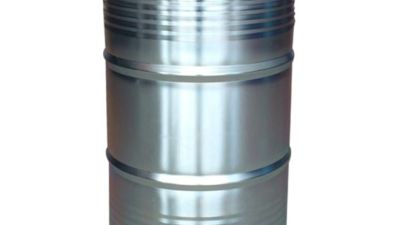
A Closed Head Steel Drum has fixed top and bottom ends, with small openings for filling and emptying. In UN packaging codes, 1A1 identifies a non-removable-head steel drum: “1” means drum, “A” means steel, and the final “1” means non-removable head. The bung openings are fitted with closures. The full UN marking contains more information than this code alone.

Look closely at the complete marking. It may show performance level, specific gravity or test pressure, year of manufacture, and country or approval details. These figures help buyers match a drum to its tested design and intended contents. They are not a blanket promise that every drum suits every use. Check the product’s specification, closure type, and compatibility before ordering.

A small detail matters. For example, the bung gasket and tightening method can affect sealing during handling. It is easy to overlook them when comparing prices.

For global procurement, request clear photos of the markings and current test documentation from the supplier. Confirm dimensions, coating, and capacity against your filling and storage process. Even familiar codes deserve a second look; I would not rely on a cropped marking or a catalog description alone. The code is useful, but context is still needed.

Capacity Options: 208 L (55 US gal) Standard and Smaller Formats

A 208 L (55 US gal) closed head steel drum is a familiar choice for bulk liquid storage and transport. Its fixed top and bottom suit contents that are filled and discharged through small openings. In practice, the nominal capacity is not always the usable fill volume. Leave suitable headspace, and confirm the supplier’s stated dimensions, closure type, and lining before ordering.

Smaller formats can make handling easier when a full-size drum is too heavy or awkward for the work area. Options vary by manufacturer, but buyers may find capacities such as 60 L, 30 L, or other regional sizes. Smaller drums can also reduce the amount of product exposed at one time. Check whether your filling equipment, pallet layout, and storage racks can accommodate the chosen diameter and height. Measure twice.

Capacity alone does not determine suitability. Consider the liquid’s properties, the steel specification, and whether an internal coating is needed. Ask for technical drawings and test documentation, rather than relying on a product photo. A practical detail: some smaller drums may have different closure arrangements from the standard 208 L model. That can affect filling speed and seal checks. I have seen buyers focus on volume and overlook this detail; it is an easy assumption to revisit.

2026 Top Closed Head Steel Drum Types for Global Buyers

Nominal capacity options: 208 L (55 US gal) standard and smaller formats

The 55 US gallon format is the common full-size option. Smaller 30 and 15 US gallon formats provide lower-capacity alternatives. Liter values are approximate conversions from US gallons; actual usable capacity and dimensions can vary by manufacturer and specification.

Shell Construction: Welded Body with Double-Seamed Ends

Welded Body, Double-Seamed Ends

A closed-head steel drum starts with a rolled steel sheet formed into a cylindrical shell. The longitudinal seam is welded, creating a continuous joint along the body. Skilled operators check the weld for uneven areas, pinholes, and visible distortion. Small flaws can matter.

The top and bottom heads are attached with double seams, where folded layers of metal interlock around the shell edge. This mechanical joint helps create a secure closure and withstand routine handling. Seam tightness depends on setup, material thickness, and consistent machine adjustment. It is not wise to assume every seam is identical.

For buyers comparing Closed Head Steel Drum Uk options, ask about shell thickness, seam inspection, and leak-testing procedures. Look for clear production records and samples that match the intended filling and transport conditions. A neat exterior is useful, but it cannot prove seam quality by itself. Check the details.

2026 Top Closed Head Steel Drum Types for Global Buyers - Shell Construction: Welded Body with Double-Seamed Ends

Drum Type Nominal Capacity Typical Approximate Dimensions Common Shell Construction Closure Configuration Typical Applications Buyer Considerations
Large closed-head drum 200 L (about 52.8 US gal) Approximately 580–600 mm diameter × 850–900 mm high Rolled steel shell with a longitudinal welded seam; top and bottom ends attached with double seams Usually two bung openings in the top head; plug sizes and thread styles vary Industrial liquids, lubricants, coatings, and chemical products Confirm usable capacity, steel thickness, bung specification, coating compatibility, and applicable transport approvals.
55-gallon closed-head drum 55 US gal (about 208 L) Commonly around 585–600 mm diameter × 850–900 mm high Welded cylindrical body with double-seamed ends; details vary by manufacturer and specification Typically fitted with two top bungs, often of different sizes Bulk storage and shipment of compatible liquids “55 gallon” describes nominal capacity; verify actual internal volume and outer dimensions for the selected model.
30-gallon closed-head drum 30 US gal (about 114 L) Dimensions vary; generally shorter than a 55-gallon drum Welded steel shell with double-seamed top and bottom ends Top-mounted bung openings; configuration depends on the intended filling and dispensing equipment Smaller-volume liquid handling, storage, and distribution Check pallet layout, handling equipment compatibility, and required filling or venting arrangements.
15-gallon closed-head drum 15 US gal (about 57 L) Dimensions vary by design; typically smaller in diameter or height than larger drums Welded body and double-seamed ends, with construction selected for the product and service conditions Commonly supplied with bung closures in the top head Smaller batches of industrial liquids and specialty products Confirm filling-line fit, closure access, and whether internal protection is needed.
Small closed-head steel pail or drum 5–10 US gal (about 19–38 L) Varies substantially with capacity and design Welded or formed steel body; end attachment and seam design depend on the product format May use a bung, plug, or other specified closure Samples, smaller production runs, and compact industrial packaging Check the exact container category, closure type, stacking requirements, and local packaging regulations.
Unlined closed-head drum Commonly available in large-drum capacities Depends on the selected nominal capacity Welded steel shell with double-seamed ends; no internal coating Typically two top bungs Products compatible with the selected steel surface and storage conditions Assess corrosion risk, product compatibility, and storage environment before selection.
Internally lined closed-head drum Commonly available in large-drum capacities Depends on the selected nominal capacity and lining system Welded steel shell with double-seamed ends and an internal coating or lining Typically two top bungs; closure materials may also require compatibility checks Products requiring a barrier between contents and the steel surface Request documented compatibility for the actual product, concentration, temperature, and storage duration.
UN performance-rated closed-head drum Available in capacities permitted by the tested packaging design Specific to the approved design type Welded steel shell with double-seamed ends; construction and components form part of the tested design Closures must match the approved design and be installed as specified Eligible dangerous-goods shipments, subject to applicable regulations and packing instructions Verify the complete UN marking, packing group suitability, contents, closure instructions, and destination requirements.

Dimensions and capacities are indicative and may vary by design, market, and applicable standard. Confirm the manufacturer’s drawing, material specifications, closure details, product compatibility, and regulatory requirements before ordering.

Closure Designs: Standard 2-Inch and ¾-Inch Bung Openings

For global buyers comparing closed-head steel drums, bung layout affects filling speed, dispensing control, and cleaning access. A common configuration pairs a 2-inch bung with a ¾-inch bung in the top head. The larger opening supports faster filling and routine product transfer; the smaller one can accommodate controlled venting or measured dispensing, depending on the closure and process. Check thread form, gasket material, and plug compatibility before ordering. A fitting can look right and still leak.

The Ink Closed Head Steel Drum is typically selected when contents need a sealed, non-removable head during handling. Ask suppliers to confirm bung dimensions against the applicable drum specification, rather than relying on nominal labels alone. ISO 15750-2 covers removable-head steel drums, while ISO 15750-1 addresses non-removable-head drums; these standards help buyers define drum types and dimensions, but do not replace checking closure details for a specific order. Small differences matter.

Closure quality also belongs in the procurement review. APEAL’s 2022 steel packaging recycling-rate report recorded an 80.5% recycling rate for steel packaging in Europe, reflecting the material’s recovery potential, not the performance of any individual drum. For a practical inspection, verify that plugs seat evenly, gaskets are intact, and the top head is free from dents around both openings. I would still request a sample. A short trial can reveal handling issues that a specification sheet misses.

Interior Protection: Unlined, Epoxy-Phenolic-Lined, and Galvanized Drums

Interior protection affects how a closed head steel drum performs from filling through storage and transport. Unlined drums suit compatible materials that do not require a barrier coating. Their bare steel surfaces are easy to inspect, but moisture and certain contents may cause corrosion. Check compatibility using the specific material, concentration, temperature, and storage duration—not just a general product category.

Epoxy-phenolic-lined drums add a protective interior coating often selected for more demanding chemical compatibility needs. The coating must be suitable for the contents, and scratches, pinholes, or poor curing can undermine protection. Ask suppliers about coating specifications and inspection methods. Galvanized drums have a zinc layer that helps protect steel, but zinc may react with some contents; it is not a universal substitute for a liner. Small details matter. A sample drum can reveal coating appearance and handling issues before a larger order. When discussing Closed Head Steel Drum Moq, confirm whether the quoted minimum applies to the chosen interior finish, since lining or galvanizing may affect production quantities and lead times. Compatibility still deserves careful review.

UN Performance Ratings: X, Y, and Z for Packing Groups I, II, and III

UN ratings help buyers match a closed head steel drum to a liquid’s packing group. An X-rated package is tested for Packing Groups I, II, and III. A Y-rated package covers Groups II and III. A Z-rated package is intended for Group III. These marks describe tested performance, not a simple ranking of drum quality.

Check the complete UN marking on the drum, not just the letter. It can identify the packaging type, material, and test level. The selected drum must also suit the liquid’s properties, including density and chemical compatibility. A high-density liquid may require a package tested for the relevant specific gravity. Closures matter, too. A mismatched bung or poorly tightened cap can compromise containment. Small details count.

Ask for test documentation and confirm that the marking matches the intended contents and transport conditions. Ratings do not replace careful filling and closure procedures. In practice, buyers sometimes focus on the X, Y, or Z and overlook those steps. That is an easy mistake. A short verification before shipment can prevent costly leakage or rejection.

Industry Data Report Insights: Choosing a 200–230L Stainless Steel Conical Closed-Top Drum

Industry data reports point to growing demand for durable, sealed containers that can support reliable storage and transport across varied industrial settings. When choosing a 200–230L stainless steel conical closed-top drum, buyers should consider more than nominal capacity. The drum’s usable volume, overall dimensions, empty weight and compatibility with existing filling, handling and storage equipment all affect day-to-day efficiency. A conical body may help with controlled discharge and material flow, while the closed top provides a protected enclosure for contents during routine handling.

Material quality and sealing performance are equally important selection criteria. Stainless steel offers strength and resistance to corrosion, making it suitable for many chemical, foodstuff, pharmaceutical and machinery-related applications, subject to the specific contents and operating conditions. Check that the construction and finish suit the intended use, and assess the lid, closure and gasket arrangement for dependable sealing. Consistent manufacturing standards, robust joints and a design that is practical to inspect and clean can support long service life. Comparing these features alongside transport requirements and maintenance needs helps organizations choose a drum that fits their processes without paying for unnecessary capacity or features.

FAQS

What does the UN 1A1 code mean?

It identifies a steel drum with a fixed, non-removable head. “1” means drum, “A” means steel, and the final “1” means non-removable head. Small bung openings have closures.

What information can the full UN marking show?

It may include a performance level, specific gravity or test pressure, manufacturing year, and approval details. Check the complete marking, not a cropped photo.

What bung openings are commonly used?

A common layout has a 2-inch bung and a ¾-inch bung. The larger opening can support faster filling; the smaller may suit controlled venting or dispensing, depending on the closure and process.

Why check bung and gasket compatibility?

Thread form, plug fit, gasket material, and tightening method can affect sealing. A fitting may look correct and still leak. Small details matter.

What do X, Y, and Z ratings indicate?

X-rated packaging is tested for Packing Groups I, II, and III. Y covers Groups II and III, while Z is intended for Group III.

Does an X rating guarantee a drum suits every liquid?

No. The rating describes tested performance, not universal suitability. Check density, chemical compatibility, closure fit, and transport conditions. I might focus too much on the rating alone.

What should buyers request from a supplier?

Request clear photos of the complete markings and current test documentation. Confirm dimensions, capacity, coating, and closure details against the intended process.

What should an inspection look for?

Check that plugs seat evenly, gaskets are intact, and the top is free from dents around the openings. I would still request a sample; a brief trial may reveal handling problems.

Conclusion

Closed Head Steel Drum options give global buyers a durable, practical choice for storing and transporting compatible liquids. These non-removable-head drums are commonly identified by the UN code 1A1 and are available in the standard 208 L (55 US gal) capacity as well as smaller formats. Their welded bodies and double-seamed ends are designed for strength, while standard 2-inch and ¾-inch bung openings support filling and dispensing needs.

Buyers can select an interior finish to suit the contents and operating conditions: unlined steel, epoxy-phenolic lining, or galvanized construction. UN performance ratings are designated X, Y, or Z, corresponding to suitability for Packing Groups I, II, or III. Choosing a drum involves matching its capacity, closure configuration, interior protection, and performance rating to the intended application and handling requirements.

Liam

Liam

Liam is a dedicated marketing professional with extensive expertise in the packaging industry, specializing in drum products. With a strong educational background and years of hands-on experience, he thrives on sharing knowledge and insights about the company’s innovative offerings. Since joining......
Previous 2026 Top Fuel Drum Types for Global Buyers?