Leave Your Message
0%

Picking the right chemical drum is a big deal when it comes to safety and getting things done efficiently. Industry expert Dr. Mark Thompson from Chemical Solutions Ltd. put it simply: "Choosing the right drum can help you avoid messy spills and keep everything in line with regulations." It’s pretty clear that understanding the different materials and designs out there is super important, and you really shouldn’t overlook it.

Chemical drums come in all shapes and sizes, each one built for specific kinds of chemicals and uses. For example, a steel drum might be perfect for storing corrosive stuff, but that doesn’t mean it’s the best pick for every chemical out there. It’s kind of a tricky task to make sure you’ve got a container that matches the properties of what you're storing.

Thinking back on past decisions can really help you make smarter choices now. Have you ever gone for the wrong kind of drum and ended up paying the price or scrambling to handle a spill? Choosing a crappy container could cost you serious money or even put people’s safety at risk. So, it’s worth taking the time to analyze your needs carefully and looking at all your options. Making those informed calls can make a huge difference in how safe and efficient your operations are.
Essential Tips for Choosing the Right Chemical Drum for Your Needs?

Understanding the Different Types of Chemical Drums Available

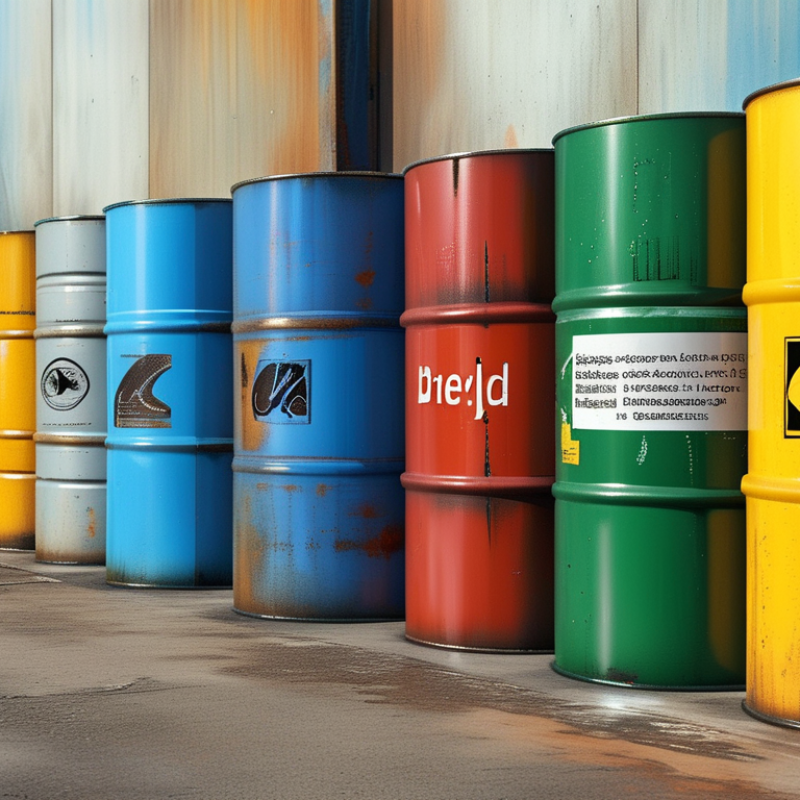
When choosing the right Chemical Drum, it's vital to understand the types available. Metal and plastic are two main categories. Metal drums are often durable and suitable for hazardous materials. They resist impact and offer a high level of security. On the other hand, plastic drums are lightweight and corrosion-resistant. They are ideal for less aggressive chemicals.

Different sizes also play a role in the selection process. A 55-gallon drum is common, yet smaller sizes exist for various needs. Consider the volume of chemicals you handle regularly. This helps prevent overflows and spills. Some drums come with specific features, like bungs or locking mechanisms, enhancing safety during transport.

Choosing the right material and size can be daunting. Consider the environment your chemical drum will be in. Extreme temperatures and exposure to sunlight may impact the drum's integrity. A poorly chosen drum could lead to leaks or contamination. Take time to reflect on what exactly you need. Making informed choices can save money in the long run.

Assessing the Compatibility of Drums with Your Chemical Materials

Choosing the right chemical drum requires careful consideration of your chemical materials. Not all drums are created equal. Compatibility is key. Consider the chemical’s properties such as temperature, pressure, and potential reactivity. For instance, corrosive substances need drums made from resistant materials. Using the wrong type of drum can lead to leaks and accidents.

Testing drum compatibility is essential. It's wise to consult safety data sheets (SDS) for your chemicals. These documents provide vital information on storage and suitability. Pay attention to the drum’s specifications and ensure they are appropriate for your chemical substances. Sometimes, it's easy to overlook small details that can have major implications.

While there are many options available, it’s crucial not to rush the decision. Take time to evaluate your needs. Can you adapt your processes? Are there safer alternatives? Reflecting on these questions can lead to better choices. For better guidance, consider reaching out to professionals in the field to discuss your specific requirements for a Chemical Drum Uk.

Essential Tips for Choosing the Right Chemical Drum for Your Needs

This chart illustrates the compatibility ratings of different chemical drum materials with various chemical substances. Understanding these compatibilities is crucial when selecting the right drum for safe storage and transport.

Evaluating the Size and Capacity Requirements for Chemical Storage

When selecting a chemical drum, size and capacity are paramount. Assessing the volume of chemicals you need to store is a crucial first step. According to the American Chemical Society, improperly sized containers can lead to operational inefficiencies. For example, if a facility requires 500 gallons of storage but only has 200-gallon drums, it will face ongoing complications.

The ideal size should also account for future needs. If your production increases, will your current storage accommodate that growth? The Chemical Facility Anti-Terrorism Standards (CFATS) suggest planning for at least a 20% increase in capacity. Assessing the maximum volume helps avoid unexpected challenges. It can save significant long-term costs and reduce risks.

Regular evaluations may reveal mismatches between needs and storage solutions. Drum sizes vary, including options like 30, 55, and 100 gallons. Each allows for different handling, transport, and safety nuances. Ultimately, aligning drum capacity with your specific requirements isn't just a logistical decision; it's a strategic one that can affect safety and efficiency.

Essential Tips for Choosing the Right Chemical Drum for Your Needs

Type of Chemical Recommended Drum Size (Liters) Typical Capacity (Gallons) Material Type Common Uses
Acids 200 53 Polyethylene Chemical manufacturing, Laboratories
Solvents 120 32 Steel Cleaning, Coatings, Paints
Oils 205 54 Polyethylene Industrial lubrication, Food processing
Wastes 50 13 Steel with Liners Hazardous waste disposal
Gases (in liquid form) 100 26 Aluminum Refrigeration, Specialty gas storage

Examining Material Construction and Durability of Chemical Drums

When selecting a chemical drum, material construction is crucial. Different substances require specific drums to ensure safety and efficiency. Stainless steel is popular for its durability and resistance to corrosion. According to a recent industry report, over 40% of chemical spills are attributed to improper containment systems. Selecting the wrong material can lead to accidents and loss.

Polyethylene drums, on the other hand, are lightweight and resistant to many chemicals. Their flexibility allows them to be used in various industries. A study indicates that polyethylene drums can last for over 10 years in proper conditions. However, they are not suited for all chemicals. Conducting a thorough compatibility analysis is essential before making a choice.

Durability is another key factor. Factors such as temperature extremes can weaken drum integrity. Reports show that more than 30% of drums fail within the first five years due to environmental stressors. Regular inspections can help identify weaknesses before they become catastrophic. Selecting the correct Chemical Drum Moq ensures you have reliable options ready when needed. Always prioritize quality over cost to avoid unnecessary risks.

Considering Safety Features and Regulations for Chemical Transport

When choosing the right chemical drum, safety features must take priority. Regulations often require specific designs and materials for transporting hazardous substances. These drums should have secure closures to prevent leaks. Opt for models that offer spill resistance. Check for compliance with local and international standards. This ensures not just safety, but also legal adherence.

Understanding the labeling on an Ink Chemical Drum is also crucial. The labels should clearly state the contents and any hazards. Proper labeling aids in safe handling, minimizing human error. It also helps emergency responders in case of incidents. Some might overlook the importance of regular inspections. Drums can become damaged or corroded over time. Routine checks can prevent accidents and loss of materials.

While choosing an Ink Chemical Drum, consider the storage conditions too. Extreme temperatures or exposure to sunlight can weaken drum materials. Analyze how and where the drums will be used. This information greatly influences your decision. Sometimes, decision-making can feel overwhelming. Reflecting on safety and regulation compliance can guide you in the right direction.

Analyzing Cost vs. Quality in Choosing Chemical Drums

When selecting a chemical drum, it's crucial to evaluate cost versus quality. Cheaper options might save money upfront, but they often compromise safety and durability. Using inferior drums can lead to leaks or failures, incurring more significant costs in the long run. Make an informed choice by considering not just the price but the intended use of the drum. If you need a drum for hazardous materials, investing in high-quality options is essential.

Opt for drums that meet industry standards. Look for certifications that guarantee their reliability. A reliable drum reduces the risk of spills and accidents. Consider the materials used in manufacturing. Plastic, steel, or fiber drums all have unique benefits and drawbacks. Verify their compatibility with the chemicals you plan to store. Compatibility is not always intuitive. Testing may be needed to ensure safety.

While it may be tempting to cut costs, think about potential consequences. Are you ready to face the complications of leaks or mishandling? The implications extend beyond finances to environmental and regulatory factors. Focusing solely on meeting the budget can lead to regret. Balancing cost and quality is an art that requires thoughtful consideration and expertise. Prioritize safety and efficiency to achieve long-term success.

Sourcing and Procurement: Where to Buy Chemical Drums Effectively

When it comes to sourcing chemical drums, knowing where to buy is key. Many suppliers are available, but reliability is crucial. Look for vendors with a solid reputation. Research online reviews and ask for recommendations from industry peers. A trustworthy source ensures the drums meet safety standards and are made of high-quality materials.

Consider your specific needs when selecting a supplier. Factors include the type of chemicals you store and the required drum specifications. Double-check if they provide clear documentation regarding the drums’ material and compliance with safety regulations. This minimizes risks and ensures proper handling.

Don't overlook the importance of customer support. Good suppliers will offer assistance with selecting the right drum and provide after-sales service. This can save you time and headaches. Remember, purchasing the wrong type could lead to safety hazards or costly errors. Use these insights to make informed decisions while sourcing chemical drums.

FAQS

: Why is compatibility important when selecting a chemical drum?

: Compatibility ensures that the drum can safely contain the chemical, preventing leaks and accidents.

What should I examine in the material construction of a drum?

Check for durability, resistance to corrosion, and suitability for the specific chemicals you intend to store.

Can you explain the risks of using the wrong type of drum?

Using inappropriate drums can lead to spills, leaks, and serious safety hazards, which can be costly.

How can I ensure that a drum is suitable for my chemical?

Consult safety data sheets (SDS) for detailed information on chemical properties and storage requirements.

What safety features should I look for in a chemical drum?

Look for secure closures, spill resistance, and compliance with safety regulations to minimize risks.

How often should I inspect chemical drums?

Regular inspections are vital. They help identify damage or corrosion before they lead to larger problems.

Are polyethylene drums a good choice for all chemicals?

No, while they are versatile, they are not suitable for all chemicals. Compatibility testing is necessary.

What environmental factors affect drum durability?

Temperature extremes and exposure to sunlight can weaken drum integrity, causing potential failures.

How can I effectively reflect on my drum choices?

Consider your specific needs, alternative options, and the safety features required for your chemicals.

What role does labeling play in chemical drum safety?

Clear labels provide essential hazard information and assist with safe handling and emergency response measures.

Conclusion

When selecting the right chemical drum for your needs, it is essential to understand the different types available, which can significantly impact storage and transportation. Assessing compatibility with your specific chemical materials is crucial; using an unsuitable drum can pose safety risks and reduce the effectiveness of your operations. Additionally, evaluating size and capacity requirements ensures that you maximize storage efficiency while considering the material construction and durability of the drums to withstand various environmental conditions.

Safety features and adherence to regulations are also paramount when transporting chemicals. The right chemical drum should not only meet your current needs but also align with industry standards. Finally, weighing cost against quality can help in making an informed decision that balances budget constraints with the reliability of the drums. Sourcing and procurement can be streamlined by researching suppliers to ensure you procure chemical drums that meet all necessary requirements effectively.

Liam

Liam

Liam is a dedicated marketing professional with extensive expertise in the packaging industry, specializing in drum products. With a strong educational background and years of hands-on experience, he thrives on sharing knowledge and insights about the company’s innovative offerings. Since joining......
Previous How to Choose the Best Hazardous Fuel Drum for Your Needs?