In the ever-changing world of fuel storage, the Liquid Storage Fuel Drum really stands out for its versatility and efficiency. Industry expert John Mitchell, who's the CEO of EcoFuel Solutions, points out why this storage option is such a game-changer: "A Liquid Storage Fuel Drum isn’t just a container; it’s a key asset for any operation." This really highlights how important these drums are when it comes to managing fuel smoothly.
These drums come with a bunch of benefits. For starters, their tough build makes them super safe and helps reduce the chances of leaks. They’re also pretty easy to move around and can hold different types of liquid fuels. Plus, features like stacking and compatibility with various handling systems help make operations run a lot more smoothly.
Of course, when you're choosing a Liquid Storage Fuel Drum, it’s smart to think about things like the quality of the materials and making sure they meet all the regulations. Not all drums are created equal, and if you go cheap or pick the wrong one, it might end up costing you in the long run. With the right choice, though, businesses can avoid storage headaches and stay on track for long-term success.

What is a Liquid Storage Fuel Drum?
A liquid storage fuel drum is designed to safely hold and transport liquid fuels. These drums come in various sizes, typically ranging from 30 to 55 gallons. They are constructed from materials that resist corrosion and damage, ensuring a long lifespan. The design includes features like secure closures to prevent leaks. Many users appreciate their versatility for different fuel types.
Proper handling is crucial. Users should always check for signs of wear before use. Conduct regular inspections for leaks or rust. Store these drums in an area away from direct sunlight or high temperatures. This can prolong their usability and safety.
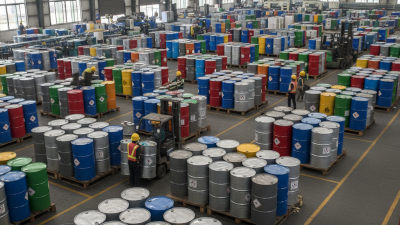
Implementing a color-coded system can help in organizing different fuels. This approach minimizes confusion. Labeling each drum clearly aids in quick identification. Always keep safety equipment nearby, such as fire extinguishers and spill containment kits. Such precautions can mitigate risks associated with fuel storage.
Key Features of Liquid Storage Fuel Drums
Liquid storage fuel drums serve as essential solutions for various industries. These drums are designed to safely store liquid fuels like gasoline and diesel. Made from durable materials, they resist corrosion and can handle tough conditions. Their robust design ensures that they are leak-proof, reducing environmental risks.
One of the key features of liquid storage fuel drums is their capacity. They come in various sizes, accommodating different storage needs. Some are compact, ideal for smaller operations. Others are larger, suitable for industrial use. Portability is another vital aspect. Many drums are designed with handles or attachments for easy movement.
Choosing the right drum can be challenging. Users must consider factors like storage location and environmental regulations. Additionally, the quality of the drum affects its lifespan. It's important to evaluate different options thoroughly. Not all drums are created equal, and investing in a reliable model pays off in the long run.
Common Types of Liquid Storage Fuel Drums
Liquid storage fuel drums come in various types, each catering to specific needs in fuel management and storage. The most common types include steel drums, polyethylene drums, and composite drums. Steel drums are renowned for their strength and durability. They typically have a capacity of 55 gallons and are resistant to impact and temperature changes. According to industry reports, steel drums account for approximately 65% of the global market due to their reliability.
Polyethylene drums are lighter and offer excellent corrosion resistance. They are often used for storing chemical products and have a capacity range from 30 to 55 gallons. Recent studies indicate that the demand for polyethylene options is growing steadily, particularly in industries aiming for safer and more environmentally friendly storage solutions. Composite drums blend materials to provide both strength and chemical resistance, making them suitable for diverse applications.
These drums also vary in design features, such as open-head and closed-head types. Open-head drums facilitate easy access for cleaning and filling, while closed-head drums are more secure and ideal for long-term storage. Some industry experts highlight the importance of selecting the right drum type based on the specific liquid being stored. This decision can influence not only safety but also financial efficiency. The right choice may reduce the risk of leaks or contamination, which can have significant operational costs.
Benefits of Using Liquid Storage Fuel Drums for Buyers
Liquid storage fuel drums have emerged as a practical solution for many industries. These drums provide a reliable means for storing liquid fuels safely. They are designed to withstand various environmental conditions. Made from durable materials, they help prevent leaks and spills, ensuring environmental protection.
One significant benefit of using liquid storage fuel drums is their efficiency in bulk storage. They can hold large volumes of fuel, minimizing the need for frequent refills. This is especially important for businesses that operate heavy machinery or require continuous fuel supply. Additionally, having a centralized fuel storage enhances organization on-site. It reduces the risk of accidents related to fuel handling.
Moreover, these drums are often designed with user convenience in mind. Many come with features that facilitate secure pouring and transfer. This saves time and labor costs. However, it is crucial for buyers to ensure proper maintenance. Neglecting inspection can lead to corrosion or damage. Understanding the limitations of storage capacity is also necessary. Not all facilities may accommodate large drums effectively. These considerations will assist buyers in making informed decisions.
Factors to Consider When Purchasing Liquid Storage Fuel Drums
When considering the purchase of liquid storage fuel drums, several key factors can significantly influence decision-making. The capacity of the drum is crucial. Most drums range from 30 to 55 gallons. Buyers should evaluate their storage needs against these specifications. According to industry data, 40% of users prefer drums that allow easy transport and storage, illustrating the importance of versatility in design.
Material quality is another significant factor. Drums are often made from steel or high-density polyethylene (HDPE). Steel drums offer durability for long-term storage, while HDPE models are lighter and corrosion-resistant. A study published in the Journal of Hazardous Materials indicates that proper material selection can reduce leakage risks by up to 60%. Buyers should consider environmental conditions, as corrosion can severely impact drum performance.
Regulatory compliance is essential. Drums must meet specific safety and environmental regulations. Understanding local regulations can prevent costly fines or product recalls. Data from the American Petroleum Institute suggest that 30% of fuel spills are due to improper storage solutions. Thus, ensuring compliance not only protects investments but also mitigates environmental impact. Buyers must weigh these factors carefully to make an informed choice.
Safety and Maintenance Tips for Liquid Storage Fuel Drums
Liquid storage fuel drums play a crucial role in energy management. Their proper use can significantly enhance safety and efficiency in storage applications. Regular maintenance is imperative to ensure safety. Industry reports highlight that improper handling can lead to catastrophic leaks. Monitoring conditions such as temperature and humidity helps maintain the integrity of the drum.
Proper sealing is essential. Gaskets should be regularly inspected for wear. Even minor gaps can compromise safety. The U.S. Environmental Protection Agency indicates that nearly 10% of fuel leaks occur from poorly maintained equipment. Conducting regular inspections can mitigate these risks. Use a checklist for maintenance tasks to stay organized.
Training personnel on safe handling skills is pivotal. Employees should be educated about emergency procedures. Awareness of potential hazards helps prevent accidents. It's important to keep areas around the drums clear of clutter. A clean workspace reduces the risk of spills and injuries. Incorporating feedback from employees on safety practices can foster a culture of safety and continuous improvement.
Applications of Liquid Storage Fuel Drums in Various Industries
Liquid storage fuel drums have become essential in various industries. These drums provide safe and efficient storage for liquid fuels, ensuring minimal leakage and contamination. Industries, such as agriculture, construction, and transportation, heavily rely on these drums for their operational needs. They allow for easy transport and access to fuel, which helps reduce downtime and improve productivity.
In agriculture, farmers use liquid storage fuel drums to house diesel or gasoline for machinery. This availability ensures that equipment remains operational during peak seasons. Construction sites utilize these drums to store fuel for generators and heavy machinery. The ability to quickly refill fuel helps maintain workflow and keep projects on schedule.
While liquid storage fuel drums provide numerous benefits, improper handling can pose risks. It is crucial for users to receive training in safe storage practices. Regular inspections ensure that these drums remain intact and leak-free. Buyers should reflect on their storage methods. By doing so, they can enhance safety and efficiency in their operations.
FAQS
: It is a container for safely holding liquid fuels. They typically hold 30 to 55 gallons.
They are made from corrosion-resistant materials. This ensures durability and a long lifespan.
Improper handling can lead to leaks. Regular inspections help identify wear and prevent accidents.
Always check for signs of wear. Look for rust or leaks before storage.
Implement a color-coded system. Clearly label each drum for quick identification.
Fire extinguishers and spill containment kits are essential. They can help manage risks effectively.
Consider storage location and environmental regulations. Quality affects the drum's lifespan significantly.
Regular inspections are critical. Monitors conditions like temperature and humidity to maintain integrity.
Regularly check gaskets for wear. Even small gaps can lead to safety hazards.
Educating staff on safe handling reduces accidents. Awareness of hazards fosters a safer environment.
Conclusion
A Liquid Storage Fuel Drum is a specialized container designed for the safe and efficient storage of various types of liquids, particularly fuels. These drums come with key features such as durability, resistance to corrosion, and the ability to withstand extreme temperatures, making them suitable for a wide range of applications across industries. Common types include plastic, steel, and double-walled drums, each tailored to different storage needs.
The primary benefits of using Liquid Storage Fuel Drums include enhanced safety for hazardous materials, ease of transport, and cost-effectiveness for buyers. When purchasing, it's essential to consider factors such as the specific type of liquid to be stored, regulatory compliance, and maintenance requirements. Proper safety measures and maintenance tips should be adhered to ensure longevity and reliability. Overall, Liquid Storage Fuel Drums play a critical role in storage solutions for various industries, optimizing the management of liquid materials.

 Get Your Quote
 Email