Leave Your Message
0%

Picking the right Lubricant Chemical Drum isn't just a simple choice — it actually matters a lot in the long run. Think of the drum as the first line of protection for your product before it makes its way onto a machine, into a workshop, or along the production line. Things like the material it's made from, how tight the lid is, its size, and even how clean it is on the inside — all these little details can impact the quality of your lubricant. Miss something minor, and you might end up dealing with a costly leak later on.

Most experienced procurement folks know that price isn’t the only thing to keep in mind. They also look into whether the drum’s material is chemically compatible with what's inside, whether it can handle tough conditions, how easy it is to handle and move around, what the storage temperature needs to be, and how far it’ll need to be transported. Maybe a steel drum suits heavy industrial environments, or a high-density polyethylene drum makes handling and corrosion resistance easier. But honestly, neither choice is automatically the perfect one. The specific formulation of your lubricant should really guide which drum works best.

Paying attention to the small stuff can make a big difference. A lid that seals well keeps moisture and dust out, and clear labels help keep track of everything during storage and receiving. Strong seams mean less chance of damage if you’re stacking or moving the drums around. Reputable manufacturers should provide you with all the info on the materials used, quality records, and proof that they’re sticking to quality standards. For especially sensitive or costly applications, getting independent testing done can really boost your confidence — after all, solid proof beats pretty claims any day.

We’ve seen good drums that cut down on handling problems and make warehouse checks a breeze. But, honestly, rushing the decision can bite you. It’s pretty common to see drums that look super tough, only to fail under heavy stacking or rough handling. No choice is foolproof, so taking the time to review your options carefully is always worth it.

This little guide walks you through the main things to consider when picking a dependable Lubricant Chemical Drum. It ties together how good packaging protects your product, keeps operations safe, and makes your buying smarter. In the end, the goal is simple: make your decision based on real evidence, your experience, and what your specific lubricant needs — that way, you’re more likely to get it right.
Why Choose the Right Lubricant Chemical Drum?

Define Lubricant Drum Needs: Volume, Viscosity, and Hazard Class

Why Choose the Right Lubricant Chemical Drum?

Choosing a lubricant drum begins with the material, not the container’s appearance. Define the required volume before ordering. A 20-liter drum may suit maintenance teams, while larger operations may need 200-liter capacity. Leave space for safe handling and short-term storage. Oversized drums can increase lifting risks and product exposure.

Viscosity also matters. Thick lubricants may pour slowly, especially in cool warehouses. Select drums with openings that support controlled dispensing and clean transfer. Thin fluids can leak through poorly sealed closures. Check compatibility between the lubricant, drum lining, gasket, and closure system. Small details prevent costly contamination.

Hazard class must guide the selection. Read the current Safety Data Sheet before choosing packaging or transport arrangements. Confirm whether the lubricant is flammable, corrosive, environmentally hazardous, or non-regulated. Drum markings, labels, and closure instructions should match the documented classification. Do not rely on memory. Conditions can change.

A practical inspection should include dents, rust, damaged seals, and unclear labels. One recurring mistake is choosing volume first and checking hazard information later. That order feels efficient, but it can create avoidable problems. Temperature, stacking space, and dispensing equipment deserve equal attention. A drum that fits the product may still fail the workflow.

Compare 200-L Steel with 208-L HDPE Drums for Chemical Compatibility

Why Choose the Right Lubricant Chemical Drum?

A 200-L steel drum offers strong mechanical protection during storage and transport. Its rigid walls resist dents, stacking pressure, and rough warehouse handling. Steel also tolerates many petroleum-based lubricants and elevated filling temperatures. However, water, humidity, and acidic residues can create internal rust. A damaged lining may contaminate the lubricant without obvious warning. Inspect seams, coatings, and closures before filling each Lubricant Fuel Drum.

A 208-L HDPE drum is lighter and naturally resistant to corrosion. Its smooth interior can reduce cleaning concerns and protect against moisture-related damage. HDPE often suits water-based fluids, detergents, and selected synthetic formulations. Compatibility is not automatic. Strong solvents, oxidizers, and high temperatures can soften, swell, or stress-crack the plastic. Always check the chemical safety data and the container supplier’s compatibility chart.

Small details matter. Confirm the drum material, closure gasket, filling temperature, and storage duration. A chemical that suits HDPE may attack its seal. A steel drum may remain sound while its lining fails. That distinction is easy to miss. In practice, teams sometimes select by capacity alone, which is an avoidable mistake. I would also test a sample filled drum under real warehouse conditions before approving large-volume use. Temperature cycling, sunlight, stacking, and vibration can reveal weaknesses that laboratory data may not show.

Apply UN 1A1 and UN 1A2 Ratings to Transport Lubricant Chemicals

Why Choose the Right Lubricant Chemical Drum?

Apply UN 1A1 and UN 1A2 Ratings to Transport Lubricant Chemicals

A lubricant drum is more than a metal container. It controls leakage, contamination, and handling risk during transport. UN 1A1 drums have a non-removable head. They suit liquids filled through a small bung. UN 1A2 drums have a removable head. They support wider openings, cleaning, and thicker lubricant products.

The UN marking shows that the packaging design passed required performance tests. It does not prove chemical compatibility alone. The UN Recommendations on the Transport of Dangerous Goods specify drop, leakproofness, stacking, and pressure tests. For many Packing Group II and III packages, the required drop-test height is 1.2 metres. A 20-litre Lubricant Conical Drum may survive a warehouse impact, yet fail after repeated vibration. That detail is easy to underestimate. The 2024 European Chemicals Agency enforcement report also highlights recurring errors in hazard communication and transport packaging. Correct labels remain essential.

Tips: Match the drum lining with the lubricant formulation. Check flash point, viscosity, density, and closure torque before filling. Confirm whether UN 1A1 or UN 1A2 matches the approved packing instruction. Inspect seams, bungs, gaskets, and corrosion marks under bright light. Keep test certificates and filling records together. A practical trial is wise, because laboratory assumptions can miss real loading conditions. Also, do not treat a UN rating as permanent approval after changing the closure, coating, or drum size.

Match ISO 6743 Lubricant Classes with Liners, Gaskets, and Seals

Why Choose the Right Lubricant Chemical Drum?

ISO 6743 identifies lubricant families by application, not by packaging compatibility. Compressor, turbine, gear, and metalworking lubricants may react differently with drum linings. A high-viscosity gear oil can soften an unsuitable gasket after weeks of storage. A water-mixed fluid may attack an unprotected steel surface. In field inspections, I have seen minor seal swelling create leaks around closures. The drum was sound. The liner was wrong.

Match each ISO 6743 class with the formulation’s base oil, additives, and storage temperature. Use lining data from the drum supplier, then verify elastomers through ISO 1817 or ASTM D471 immersion testing. Check weight change, hardness, volume change, and visible cracking.

For a Lubricant Tapered Steel Drum , confirm the liner covers the cone, bung area, and welded seams. These small zones often receive less protection. The World Steel Association reports about 680 million tonnes of steel are recycled globally each year, but recycling value depends on clean, correctly managed containers.

Tips: Request a compatibility table and a recent test certificate. Store a filled sample for 30 days. Inspect the gasket weekly. Do not assume the same seal works across ISO 6743 classes. That shortcut is tempting, but it needs reconsideration. Record odor, discoloration, leakage, and torque changes before shipment. A simple photo log can expose problems early.

Control Moisture, Temperature, and Contamination During Storage

Why Choose the Right Lubricant Chemical Drum?

A Lubricant Stainless Steel Drum can protect fluids during demanding storage conditions. However, the drum material alone does not control every risk. Moisture may enter through loose closures, damaged gaskets, or repeated opening. Warm days and cool nights can also create condensation inside the container. Even a small amount of water can affect lubricant performance and equipment protection.

Keep drums under a roof, away from direct sunlight and standing water. Store them on a clean, stable surface. Avoid placing them near heaters, steam lines, or areas with sudden temperature changes. Use tightly fitted closures and inspect seals during routine checks. Desiccant breathers may help in humid environments, but they must match the fluid and storage system. This detail is often overlooked.

Contamination control requires more than a clean-looking drum. Dust, cleaning chemicals, metal particles, and moisture can enter during transfer. Use dedicated, clearly marked handling tools and keep dispensing equipment covered. Wipe the drum opening before connection. Record storage dates, inspections, and unusual temperature exposure. A simple log supports traceability and practical decision-making. Still, no storage plan is perfect. Human handling errors happen. Regular checks remain necessary, especially after transport, seasonal temperature changes, or extended storage.

Check ASTM D4057 Sampling, Closure Torque, Leak Testing, and Traceability

Choosing the right lubricant chemical drum begins with controlled sampling, not appearance. ASTM D4057 emphasizes representative samples taken with clean, dry equipment. The container should match the product’s chemistry and testing needs. Residue from a previous material can distort viscosity, water, or additive results. I have seen a clean-looking drum create an unreliable sample.

Closure torque also deserves attention. Too little torque may allow moisture or air to enter. Too much torque can damage the gasket, threads, or drum neck. Use the closure supplier’s specified torque range and a calibrated torque wrench. Record the actual reading. “Hand tight” is not a repeatable method. Small differences matter.

Leak testing should follow a documented, validated procedure for the drum design. Check closures, seams, plugs, and gasket contact areas. A visual inspection helps, but it cannot replace suitable pressure, vacuum, or inversion testing. Test conditions should reflect storage and transport risks. Traceability connects every result to the correct drum. Record the product batch, drum identification, closure lot, sampling date, operator, torque value, and test result. Add seal numbers when seals are used. Paper records can work, although missed entries remain a common weakness. A second-person review may catch errors before shipment. That extra minute can protect the sample, the customer, and the credibility of the test.

Why Choose the Right Lubricant Chemical Drum? - Check ASTM D4057 Sampling, Closure Torque, Leak Testing, and Traceability

Control Dimension What to Check Relevant Method or Reference Measurable Data to Record Acceptance Requirement Traceability Evidence
Sampling plan Define the drum, lot, sampling location, sample quantity, and handling conditions before taking a lubricant or chemical sample. ASTM D4057, Manual Sampling of Petroleum and Petroleum Products Lot number; drum ID; sample ID; date and time; sampler; top, middle, or bottom sample position; sample volume The documented sampling procedure is followed, and the sample represents the defined lot and sampling position. Signed sampling record, chain-of-custody form, drum identification photo, and retained sample label
Sample cleanliness Use clean, dry, chemically compatible sampling equipment and containers to prevent contamination or moisture ingress. ASTM D4057; site contamination-control procedure Container condition; cleaning status; equipment ID; visible contamination; water or sediment observation No visible foreign matter, free water, damaged sample container, or unapproved sampling equipment. Cleaning log, equipment register, inspection checklist, and sample-container certificate where applicable
Drum material compatibility Confirm that the drum body, internal coating, gasket, and closure materials are compatible with the lubricant or chemical. Product safety data; packaging compatibility assessment; applicable UN packaging requirements Drum material; lining or coating; gasket material; product compatibility status; UN packaging code if applicable No swelling, softening, corrosion, cracking, discoloration, or chemical reaction after the defined compatibility review. Material declaration, compatibility assessment, packaging specification, and inspection report
Closure torque Apply the closure using a calibrated torque tool and the closure supplier's validated torque window. Closure manufacturer's specification; ASTM D2063 where torque-retention measurement is required for applicable threaded closures Target torque; lower and upper limits in N·m; actual torque; tool ID; calibration due date; operator Actual torque is within the validated closure-specific range. A universal torque value must not be assumed for all drum closures. Torque record, calibrated-tool certificate, closure specification, and nonconformance report if outside limits
Closure and gasket inspection Inspect threads, plugs, bungs, flange surfaces, gaskets, tamper-evident features, and sealing surfaces before and after closure. Packaging inspection procedure; closure specification Thread condition; gasket presence; gasket damage; seal position; tamper-evident status; visual defect count All sealing components are present, correctly seated, undamaged, and free from cross-threading or visible deformation. Pre-closure and post-closure inspection checklist with photographs when required
Leak testing Select a pressure, vacuum, or immersion method suitable for the drum design, closure, product, and transport risk. ASTM D4991 for applicable rigid containers under specified vacuum conditions; validated internal leak-test procedure Test method; pressure or vacuum level; test duration; temperature; equipment ID; result; defect location No visible leakage, pressure loss beyond the validated limit, bubble formation, or closure seepage during the approved test. Electronic test record, calibrated gauge or instrument certificate, operator ID, and disposition of failed drums
Drum identification Ensure the drum label and permanent identification remain legible throughout storage, sampling, testing, and shipment. Internal identification procedure; applicable dangerous-goods labeling requirements Product code; lot or batch number; fill date; net quantity; drum serial number; hazard classification if applicable Every drum has one unique, readable identification linked to its product lot and filling record. Label record, barcode or RFID record, filling log, and warehouse location history
Calibration and measurement control Verify that torque tools, pressure or vacuum gauges, scales, and sampling instruments are calibrated and suitable for use. ISO/IEC 17025 calibration principles; internal measurement-control procedure Instrument ID; calibration date; due date; measurement range; uncertainty where applicable; status Instrument is within its calibration period, appropriate for the measurement range, and free from visible damage. Calibration certificate, equipment log, verification record, and maintenance history
Storage and transport condition Protect drums from excessive heat, freezing, direct sunlight, moisture, impact, and incompatible materials. Product technical and safety data; warehouse and transport procedures Storage temperature; humidity or exposure record where required; orientation; stacking status; inspection date Conditions remain within the product and packaging specification; drums are upright and protected from damage. Warehouse inspection log, environmental monitoring record, shipping checklist, and damage report
Nonconformance control Segregate drums with failed leak tests, incorrect torque, damaged closures, missing labels, or contaminated samples. Internal quality-management and corrective-action procedure Defect code; affected drum IDs; quantity affected; containment action; root cause; release or rejection decision No affected drum is released until the documented review and disposition are completed. Nonconformance report, corrective-action record, approval signature, and final disposition log
Technical note: ASTM D4057 describes manual sampling practices for petroleum and petroleum products; it does not establish a universal drum-closure torque value or one acceptance limit for every leak-test application. Torque limits and leak-test conditions must be defined from the specific drum, closure, gasket, product, and validated packaging procedure.

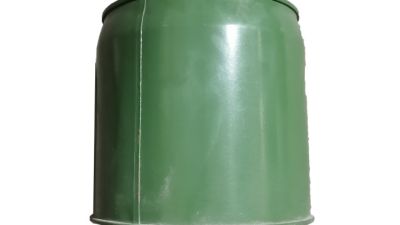
10L Green-Necked Sealed Steel Drum with Handle: Durable, Customizable Packaging from China Suppliers

The 10L Green-Necked Sealed Steel Drum with Handle is a practical packaging solution for businesses that need dependable storage and transportation containers. Manufactured by experienced suppliers in China, it is made from durable cold-rolled steel with a thickness of approximately 0.5–0.8 mm, providing a sturdy structure for regular handling. Its sealed design helps protect the contents, while the integrated handle makes lifting, carrying, and organizing more convenient in warehouses, workshops, and distribution environments.

Designed to support different application requirements, the drum can be fitted with either large or small flanges. Its smooth exterior coating improves handling and allows customers to select from a variety of colors to suit product lines or operational needs. Silk-screened logos and other customized surface designs are also available, helping businesses create consistent packaging that reflects their specifications. With a compact 10-liter capacity and adaptable construction, this steel drum is suitable for general packaging, storage, and transportation purposes where durability, usability, and customized appearance are important.

FAQS

: When is a 200-L steel drum suitable for lubricants?

: Steel provides strong protection against dents, stacking pressure, and rough warehouse handling. It also tolerates many petroleum-based lubricants and warmer filling conditions. However, moisture can cause internal rust. Inspect seams, coatings, and closures before filling.

When is a 208-L HDPE drum a better choice?

HDPE resists corrosion and has a smooth interior. It often suits water-based fluids, detergents, and selected synthetic formulations. The lighter weight may simplify handling. Still, plastic compatibility is not automatic.

Which chemicals may damage an HDPE drum?

Strong solvents, oxidizers, and high temperatures can soften HDPE. They may also cause swelling or stress cracking. Check the safety data and compatibility chart. Do not rely on appearance alone.

Can a steel drum be chemically incompatible?

Yes. The steel may remain strong while its lining fails. Acidic residues, water, or humidity can promote rust. A damaged lining may contaminate lubricant without obvious signs. That risk is easy to overlook.

How should ISO lubricant classes affect drum selection?

Match the lubricant class with its base oil, additives, and storage temperature. Different compressor, turbine, gear, and metalworking fluids may need different liners. Do not assume one gasket suits every formulation. That shortcut deserves reconsideration.

How can gaskets and liners be tested?

Use supplier compatibility data, then verify elastomers through immersion testing. Check weight, hardness, volume change, and visible cracking. Inspect the bung area, cone, and welded seams. Small unlined zones can become weak points.

What should be checked before sampling from a lubricant drum?

Use clean, dry equipment and take a representative sample. Residue from an earlier product can distort viscosity, water, or additive results. The drum may look clean. It may not be.

How should closures, leaks, and traceability be managed?

Use the specified torque range with a calibrated torque wrench. Record the actual reading, not “hand tight.” Test closures, seams, plugs, and gasket contact areas. Keep the product batch, drum ID, date, operator, and test result together. A second review can catch missing records.

Conclusion

Choosing the right Lubricant Chemical Drum begins with clearly defining the product’s volume, viscosity, and hazard class. A 200-liter steel drum may provide strong mechanical protection, while a 208-liter HDPE drum can offer broader resistance to selected chemicals. Compatibility should be confirmed against the lubricant formulation, including additives, solvents, and expected storage conditions. For transportation, applicable UN 1A1 or UN 1A2 ratings should be matched to the drum design, closure type, and packing requirements.

The lubricant’s ISO 6743 classification can help guide the selection of liners, gaskets, and seals, reducing the risk of swelling, leakage, or chemical degradation. During storage, control moisture, temperature, and contamination through suitable locations, secure closures, and clear handling procedures. Sampling should follow ASTM D4057 principles, with attention to clean equipment and representative samples. Finally, verify closure torque, conduct leak testing, and maintain complete traceability for every drum, including batch information, inspection records, and storage history.
Isabella

Isabella

Isabella is a dedicated marketing professional at Foshan Qiaoyue Packaging Co., Ltd., a pioneering company established in 1999 and specialized in manufacturing a wide range of drum products. With her extensive knowledge of the product line, Isabella plays a crucial role in showcasing the company’s......
Previous 2026 How to Choose the Right Open Head Steel Drum?