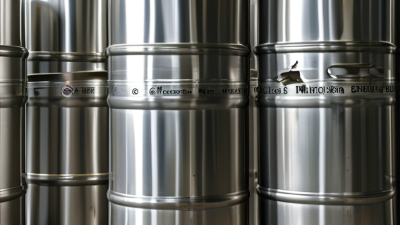
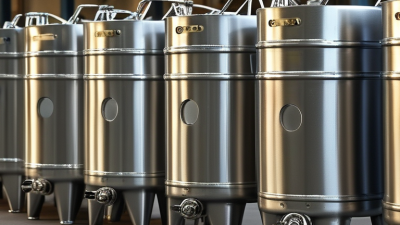
When you're trying to pick out an Industrial Conical Drum, it's really important to understand what you actually need. John Williams from Industrial Solutions Corp. puts it perfectly when he says, "Choosing the right drum is all about making sure your processes run smoothly and safely." That really highlights how careful you have to be during the selection process.
Industrial conical drums aren’t just a one-size-fits-all deal—they’re used for all sorts of things, like storage or transport. They come in different sizes and materials, which can make the decision a bit overwhelming. Too often, companies skip over the option of customizing, but that can lead to issues like inefficiencies, safety risks, and unnecessary costs.
Getting a drum tailored to your needs can make a big difference. For example, think about choosing materials that stand up to certain chemicals if needed, or picking a size that matches your machinery perfectly. The goal is to boost your productivity while keeping safety top-notch. Spending a little extra time figuring out what you really need can save you from costly mistakes down the road. Picking the right Industrial Conical Drum isn’t just about buying something; it’s about taking a step toward running a more efficient, safer operation.
Understanding the Purpose of Industrial Conical Drums
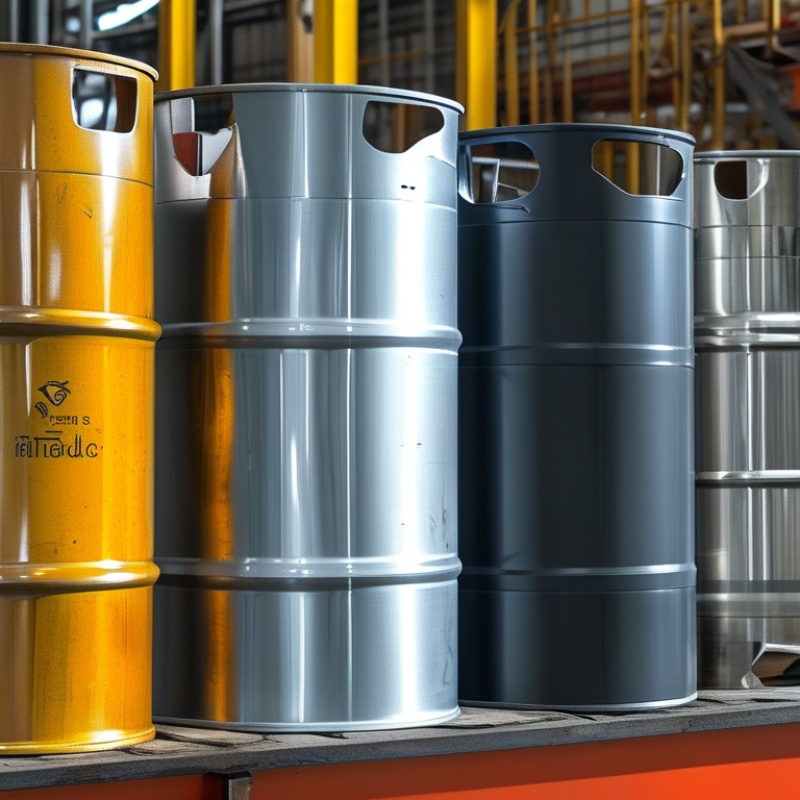
Industrial conical drums serve specific purposes in various industries. These drums are designed to hold and transport liquids or bulk materials effectively. Their conical shape helps in easy pouring and minimizes waste, making them essential for manufacturers and warehouse operators alike. Understanding their purpose can guide you in selecting the right one for your needs.
When choosing a conical drum, consider the material it’s made from. Some materials offer better resistance to chemicals, while others are more durable for heavy-duty usage. Think about how the drum will be used. Will it store liquids or dry materials? Assess the storage capacity as well. Larger facilities may need bigger drums, while smaller operations can opt for compact sizes.
Another key factor is the loading and unloading process. Conical drums often come with features that facilitate this, like tapered bottoms and easy access points. These features can greatly enhance efficiency in your workflow. If possible, request samples to evaluate their practicality in your setup. Make sure to communicate your specific requirements to ensure the drum fits perfectly into your operations.
Identifying Your Specific Storage and Handling Requirements
When selecting an industrial conical drum, understanding your specific storage and handling requirements is crucial. According to industry data, misalignment between storage solutions and material properties can lead to operational inefficiencies. For example, fluid materials typically require drums with specific capacities and is often identified in chemical handling reports. Knowing the viscosity and density of your stored materials helps ensure that the selected drum meets your needs.
Consider the weight and shape of your materials. Heavier substances might require reinforced drums to prevent structural failure. Reports indicate that approximately 30% of accidents in storage facilities are due to insufficient drum strength. Evaluate whether the conical design is truly beneficial for your materials, as the angle can affect how easily the contents can be accessed.
Choosing an appropriate Industrial Fuel Drum is not just about size; it’s also about compatibility. Make sure the materials used in the drum suit the substances you plan to store. For instance, compatibility with corrosive materials is essential for safety. Remember, neglecting this could result in irreversible damage to both the drum and its contents.
Tip: Always consult industry safety standards when selecting a drum to ensure compliance.
Evaluating Material Compatibility with Conical Drums
Choosing the right industrial conical drum requires careful consideration of material compatibility. Different industries use various substances, and not all are suitable for every drum. For example, corrosive chemicals need drums made from resistant materials. Using an incompatible drum can lead to leaks, contamination, or even hazardous situations. It's crucial to verify that the drum material can withstand the chemical nature of the product being stored.
Evaluating compatibility involves looking at factors like temperature, pressure, and chemical interaction. Some materials may seem sturdy but can degrade over time. This degradation can lead to failures, which might go unnoticed until it’s too late. It's advisable to check compatibility charts or consult experts. Sometimes, manufacturers provide guidance based on their experience with certain materials.
When in doubt, it's best to err on the side of caution. Seek advice from professionals who specialize in Industrial Chemical Drums. Their insights can save time and resources. Remember, not all solutions are one-size-fits-all. Each application has unique needs that deserve close examination. This attention to detail is crucial for safe and efficient operations.
Sizing Considerations for Conical Drums
When selecting a conical drum, sizing is the primary consideration. Getting the right size is vital for efficient operations. According to industry studies, improper sizing can lead to inefficient workflows and increased costs. For instance, a report from the National Association of Manufacturers indicated that 30% of companies experience a drop in productivity due to equipment that doesn't fit their operational needs.
Different industries have unique requirements. A chemical manufacturing facility may require larger drums to accommodate bulk substances. In contrast, a smaller workshop might benefit from more compact options. Understanding the volume you need is crucial. The conical design allows for better drainage and less residue, making it a practical choice. Sizing must consider both the average use and peak demands.
It's also essential to take into account the weight of the materials stored. Heavier materials require durable drums with reinforced structures. Some professionals overlook the environmental factors affecting the drum, such as temperature and humidity. Reports suggest that 20% of failures are due to ignoring these elements. Regular assessment of your specific needs and adjusting drum sizes accordingly can prevent significant operational setbacks.
Assessing Features and Accessories for Enhanced Functionality
When assessing the features and accessories of industrial conical drums, functionality is key. The design of the Industrial Tapered Steel Drum allows for efficient material storage and transportation. Customizing its features can enhance productivity drastically. For instance, adding locking lids can prevent spillage, while integrated handles make maneuvering easier. Reports show that workplaces with well-equipped storage solutions can improve operational efficiency by nearly 30%.
Yet, challenges remain. Many industrial conical drums lack proper labeling systems. This can lead to confusion and improper handling. It's crucial to consider how accessories, such as color-coded systems or RFID tags, could mitigate risks associated with mixed contents. A study indicated that 65% of accidents in handling drums are linked to misidentification.
Accessibility is another vital aspect. Ergonomic features, like reinforced grips and lighter construction materials, can reduce strain during use. However, not all drums come with such thoughtful design elements. Regular reviews and adjustments of existing inventories can reveal gaps in functionality. Investing in quality accessories and features makes a significant difference. Crafting a drum system that meets specific needs could prevent costly errors and even accidents.
Comparing Different Manufacturers and Brands
When selecting an industrial conical drum, understanding the differences between manufacturers is essential. Each brand may have unique features, materials, and construction quality. Evaluate drums based on their intended use, whether for storage, transport, or processing. This assessment helps ensure you get the right product for your specific needs.
Consider factors such="text-align:left;" style="float:left; margin-right:10px;">
such as weight capacity, size, and ease of handling. Some drums are designed for specific industries, which can influence their durability and design. Researching user reviews and case studies can provide insights into the reliability of various brands. Pay attention to the materials used. Drums made from high-quality plastics or stainless steel often offer better resistance to chemicals and corrosion.
Selecting the right manufacturer involves careful analysis. Look for companies with a solid track record in the industry. Distinctions in manufacturing processes often affect the quality of the drum. Cross-reference information found on their websites with third-party reviews to ensure accuracy. Remember that sometimes expectations might not align with real-world performance. Keep an open mind and be prepared to explore alternatives if necessary.
Budgeting for Quality: Cost vs. Value in Conical Drums
When selecting an industrial conical drum, cost and value are critical factors. Quality is essential, but budget constraints often lead to difficult decisions. A cheaper drum might save money upfront but could lead to higher costs in the long run. You might need to replace it sooner, which negates the initial savings. Investing in an
Industrial Open Head Steel Drum
can be a wise choice. These drums are typically durable and reliable.
Consider your specific needs. What materials will the drum hold? What are the safety requirements? A drum that meets safety standards might cost more, but it ensures the protection of your workforce. Reflect on your operations. A premium drum can enhance efficiency, while a lower quality option might compromise it. Be cautious about choosing a cheaper option based solely on price.
Finding the balance between cost and value requires careful thought. Look for manufacturers with a reputation for quality. Researching reviews and industry standards can help. Sometimes, it’s worth spending a bit more for peace of mind. Quality drums can lead to fewer accidents and lower maintenance costs. Choose wisely, and consider the long-term implications of your investment.
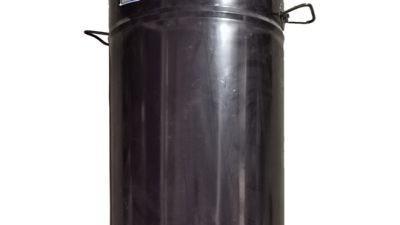
Versatile 60L Black Open-Top Drum: Ideal Solutions for Storing Liquids and Solids in Customizable Steel Designs
The versatile 60L black open-top drum is an outstanding solution for those in need of reliable storage options for both liquids and solids. Constructed from high-quality Q235B cold-rolled carbon steel with a thickness ranging from 0.5 to 0.8mm, this durable drum stands out thanks to its robust reinforced corrugated body. The inclusion of sturdy handles facilitates easy handling, making it a practical choice for various applications, from industrial use to personal projects.
What sets this drum apart is its customizable design. It is available in a variety of colors and can be adorned with professional silk-screen printed logos, catering specifically to suppliers who want to enhance brand visibility while still ensuring top-notch performance. The exceptional sealing capabilities of this drum, combined with its impressive durability, make it ideal for transporting and storing a wide array of materials, including chemicals, coatings, and lubricants. Users can trust in its ability to handle demanding conditions while maintaining the integrity of the contents, making it a smart investment for any storage needs.
FAQS
: Material compatibility refers to how well a drum's material can hold certain substances without degrading.
Choosing the right drum prevents leaks, contamination, and potential hazards during material storage.
Factors include temperature, pressure, and chemical interactions that may affect the drum over time.
It's best to check compatibility charts or consult experts for specific guidance related to drum materials.
An incorrect drum size leads to inefficient workflows and increased costs, affecting overall productivity.
The conical design allows for better drainage, which helps reduce residue and maintains cleanliness.
Heavier materials necessitate durable drums with reinforced construction to ensure safety and performance.
Factors like temperature and humidity can significantly impact drum integrity; neglecting these elements can lead to failures.
Many overlook the specific needs of their operations, leading to mismatched drum sizes and operational setbacks.
Professionals should be consulted when there's uncertainty about material compatibility or sizing requirements.
Conclusion
When selecting the right Industrial Conical Drum for your needs, it is crucial to start by understanding their purpose and the specific storage and handling requirements that apply to your situation. Consider the materials that will be stored to ensure compatibility with the drum's construction. Sizing is another important factor; make sure to select a drum that fits your operational space and quantity needs.
Additionally, assess any features and accessories that may enhance functionality, such as lids, liners, or pump attachments. Comparing different manufacturers can help you find a reliable product while budgeting effectively ensures you focus on quality without overspending. Ultimately, the right Industrial Conical Drum should balance cost and value, fulfilling your operational requirements efficiently.

 Get Your Quote
 Email