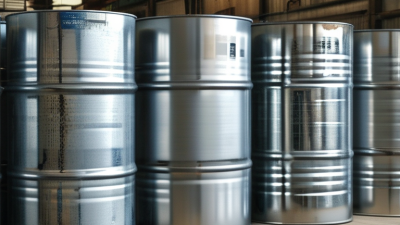
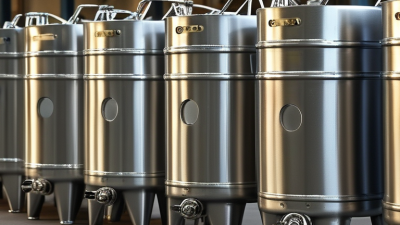
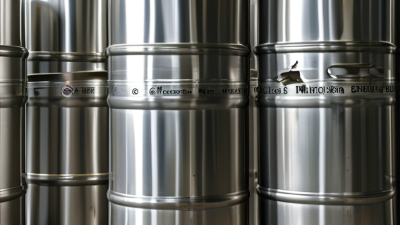
Choosing the right open head steel drum isn't just a small detail – it's actually pretty crucial, especially for industries like pharmaceuticals and chemicals. Did you know that according to a recent report from Global Industry Analysts, the global market for steel drums is projected to hit around $7 billion by 2026? That’s a huge number and honestly, it just underscores how important it is to pick containers that are durable, safe, and efficient.
When you're looking at open head steel drums, one thing you definitely want to consider is what they’re made of. For example, carbon steel open head steel drums are known for being strong and really resistant. But, fair warning—if you don’t take proper care of them, they can rust and corrode over time. So, it’s always a good idea for businesses to weigh the pros and cons: the durability benefits versus potential long-term costs of maintenance.
Also, sometimes companies forget about important stuff like making sure storage conditions are right. Not all steel drums are created equal, and understanding exactly what your industry needs can save you a whole lot of trouble down the line. Making an informed choice can lead to safer operations and better efficiency overall — it’s worth taking the time to get it right.
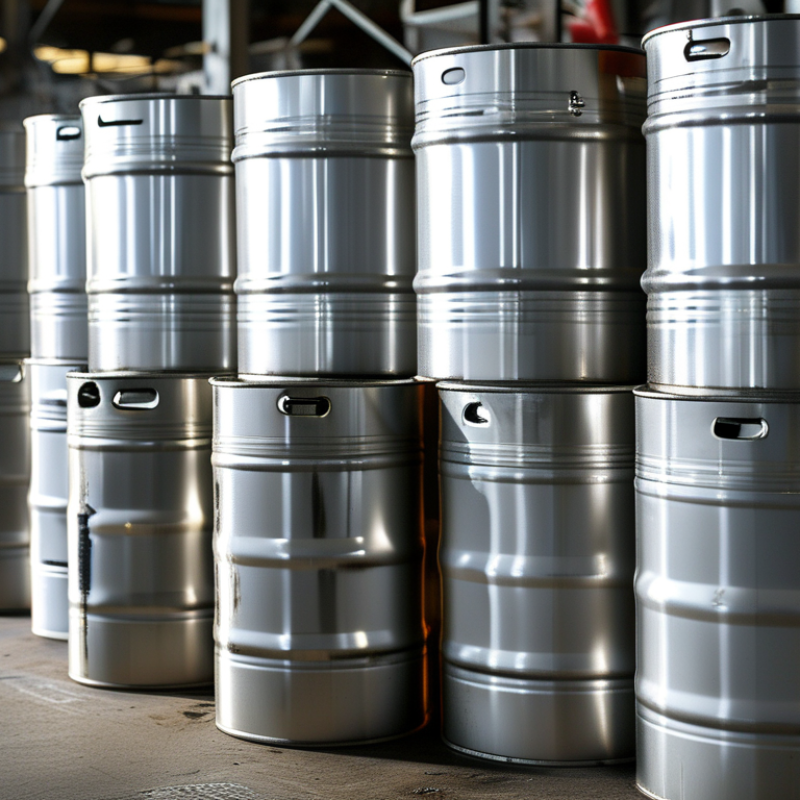
Understanding Open Head Steel Drums: An Overview
Open Head Steel Drums are versatile containers ideal for different industrial applications. Understanding their design and features is crucial when selecting the right drum. These drums come with a removable lid, allowing easy access for filling and emptying. They are often used for storing liquids, chemicals, and other bulk materials.
When considering an Open Head Steel Drum, pay attention to the gauge of the steel used. A thicker gauge offers more durability and protection against punctures. Additionally, look for drums with proper seals. This is especially important for substances requiring safe storage. Be aware of the specifications, like the capacity and compatibility with various materials.
However, not all drums suit every task. Selecting the wrong type could result in leaks or contamination. It's essential to research and consider your specific needs carefully. Evaluate the conditions in which the drum will be used. This might include temperature, chemical reactions, and physical handling. Engaging with experts can help guide this process effectively. Reliable information contributes to making informed choices.
2026 How to Choose the Right Open Head Steel Drum? - Understanding Open Head Steel Drums: An Overview
| Dimension |
Capacity (Liters) |
Weight (kg) |
Construction Material |
Common Uses |
| 55 Gallons (210 Liters) |
210 |
22 |
Carbon Steel |
Chemical Storage, Waste Management |
| 30 Gallons (114 Liters) |
114 |
12 |
Stainless Steel |
Food Processing, Pharmaceuticals |
| 15 Gallons (57 Liters) |
57 |
8 |
Plastic Coated Steel |
Hazardous Material Storage |
| 5 Gallons (19 Liters) |
19 |
4 |
Galvanized Steel |
Lubricants, Oils |
Key Considerations for Choosing the Right Size
When selecting the right open head steel drum, size is crucial. A drum's capacity can greatly impact its effectiveness for storage and transportation. For smaller projects, a 30-gallon drum may suffice, while larger operations often require a 55-gallon drum. Think about your specific needs. Assess the volume of materials you typically handle. What will you store? Will it be light or heavy substances? These considerations can guide you in making an informed choice.
Moreover, weight capacity matters just as much as volume. Overloading a drum can lead to safety hazards and product loss. If you're uncertain about capacity, consulting an industry expert could provide insights. Having a reliable reference is often necessary in making the right decisions. However, no guide will cover every scenario. Each operation has unique challenges. Feel free to revisit your initial choice after some experience with your drums. Adjusting your selection based on practical usage can enhance operational efficiency and safety.
Material Quality: Why It Matters in Steel Drums
When selecting an open head steel drum, material quality plays a crucial role. Steel drums are often used for storage and transport of various goods. A well-constructed drum ensures that its contents remain safe and uncontaminated. Low-quality steel can corrode or degrade over time, leading to leaks or contamination. Choosing higher-grade materials can save costs in the long run.
It’s important to inspect the steel’s thickness and finish. Thicker drum walls offer enhanced durability. The surface finish should be smooth and free from rust. Any imperfections can indicate potential weaknesses. Ensure the drum complies with industry standards for safety and quality.
Tips for inspection: Look for certifications on the drum. Ask about the steel quality used. Always check for any signs of rust or damage before purchase. Remember, investing in quality steel makes a difference. It can prevent costly replacements or accidents down the line. Selecting the right material can facilitate better storage practices and peace of mind.
Evaluating Different Lining Options for Steel Drums
When selecting an open head steel drum, lining options play a crucial role in performance. Different lining materials can significantly affect chemical compatibility and longevity. For example, polyethylene and epoxy linings are common choices. According to industry reports, proper lining can reduce leakage incidents by up to 30%. This is vital for safety and environmental compliance.
Thickness also matters. A heavy-duty lining might provide better protection in harsh conditions. Despite this, it could add weight, impacting transport costs. The right balance is key. Additionally, education on lining maintenance is essential. Regular inspections can extend the lifespan of your Open Head Steel Drum. Ignoring wear can lead to unforeseen failures and costly replacements.
The selection process should not overlook user experience. Operators often report preferences based on hands-on usage. Feedback highlights that lining can influence ease of cleaning. Some linings might not resist solvents effectively, leading to potential residue issues. This is an area needing further exploration, as manufacturers adapt to evolving industry needs. Understanding these elements ensures informed decisions for optimal drum selection.
Evaluation of Different Lining Options for Open Head Steel Drums in 2026
Assessing Compatibility with Chemicals and Contents
Choosing the right open head steel drum involves careful consideration of the chemicals or materials you'll store. Different substances react uniquely with steel. This reaction can lead to corrosion or leakage, resulting in safety hazards. Understanding chemical compatibility is crucial.
When selecting a steel drum, always review chemical compatibility charts. These charts detail which materials are safe to store. This simple step can prevent dangerous situations. Additionally, consider drum linings or coatings. Some chemicals might require an extra layer of protection.
Before making a purchase, reflect on your specific needs. Are the contents sensitive to temperature? Do they need to be isolated from light? These factors will influence your choice. Remember, not all drums are created equal, and a cursory glance may not reveal potential issues.
Analyzing Cost vs. Durability in Drum Selection
When analyzing cost vs. durability in drum selection, you must weigh several factors. Open head steel drums are a popular choice for many industries. Their ability to withstand tough conditions makes them ideal for both storage and transport. However, choosing the right drum involves understanding the trade-off between cost and durability.
Investing in high-quality materials often leads to greater long-term savings. If you purchase cheaper options, you may face frequent replacements. These expenses can add up quickly. Take time to evaluate the durability rating of the steel and glass liner used in your drum. A more resilient construction can significantly reduce the risk of leaks or corrosion.
When considering an "Open Head Steel Drum Moq," assess your storage needs. Tips for selection include examining corrosion resistance and ease of accessibility. Think about the environments these drums will encounter. A humid or harsh climate requires a steel drum with enhanced protective features. Remember, durability impacts overall costs in the long run, so choose wisely.
Compliance with Industry Standards and Regulations
When selecting an Ink Open Head Steel Drum, compliance with industry standards is crucial. Various standards govern the safe transport and storage of hazardous materials. Organizations must understand these regulations to avoid costly fines and ensure product safety. This means researching relevant guidelines before making a purchase.
Another key aspect is understanding the specifications of your operations. The right drum can differ based on the materials you handle. Many users overlook the importance of capacity, material compatibility, and compatibility with handling equipment. Failing to assess these factors can lead to significant issues.
Regular audits and inspections of your storage and transport solutions are necessary. Not all drums meet the recommended safety standards. Industries must prioritize compliance. By doing so, businesses enhance safety and improve their operational efficiency. Taking a proactive approach can prevent serious regulatory breaches down the line.
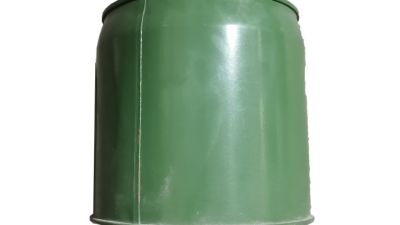
Enhancing Industrial Efficiency: The Role of 10L Green Necked Sealed Steel Drums in Chemical Safety and Storage Solutions
In the realm of industrial efficiency, the 10-liter green-necked sealed steel drum emerges as a pivotal solution for enhancing chemical safety and storage management. Manufactured from durable cold-rolled steel, with a thickness between 0.5 and 0.8 mm, these drums are designed to withstand the rigors of chemical handling, providing a reliable option for safe storage. Their robust construction ensures longevity, making them an essential investment for businesses looking to maintain a secure and efficient storage system.
These steel drums feature customizable options, including varying flange sizes and a sturdy handle for ease of transport, catering to the diverse needs of different industries. The smooth coating not only enhances the drum's usability but also contributes to the ease of cleaning and maintenance, ensuring compliance with safety standards. Available in a range of colors and customizable with printed logos, these drums also offer an opportunity for businesses to enhance their brand visibility while ensuring that their chemical products are stored safely and attractively.
FAQS
: It's a versatile container, ideal for storing liquids and bulk materials.
Thicker gauges provide more durability and protect against punctures.
Ensure proper seals are in place for safe storage of materials.
It may lead to leaks or contamination of stored materials.
Evaluate temperature, chemical interactions, and how the drum will be handled.
It ensures safe transport and storage, avoiding fines and enhancing safety.
Check for compliance with safety standards and regulatory requirements.
Research guidelines, engage with experts, and assess your specific needs.
It may result in serious regulatory breaches and operational inefficiencies.
No, compatibility varies, and not all drums suit every task or material type.
Conclusion
When selecting the right Open Head Steel Drum, it's essential to understand the basic features and specifications these drums offer. An overview of open head steel drums illustrates their versatile design, commonly used for various industrial applications. Key considerations include choosing the appropriate size and ensuring high material quality, as these factors significantly impact the drum's performance and lifespan.
Furthermore, evaluating different lining options available for steel drums is crucial, as it can determine compatibility with various chemicals and contents. Assessing the balance between cost and durability is vital for long-term efficiency, while also ensuring compliance with industry standards and regulations. Making informed decisions based on these considerations will help in selecting the most suitable Open Head Steel Drum for your needs.

 Get Your Quote
 Email