When it comes to the competitive world of industrial packaging, picking the right container really isn’t something to take lightly. Most experts will tell you that choosing the perfect galvanized chemical drum isn’t just about personal preference—it’s a safety thing and also about making things run smoothly. I mean, John McCarthy, a pretty well-known guy in chemical storage solutions, once said, “The integrity of your storage solution can make or break your operations.” That’s pretty telling, right? It just shows how important it is to go for high-quality galvanized steel drums.
Now, these galvanized drums actually come with a bunch of perks. For starters, they’re super resistant to rust and corrosion, which means they last longer—especially handy if you're dealing with some pretty harsh chemicals. Companies like SteelGuard Industries have really led the charge here, coming up with innovative solutions to meet all sorts of needs from around the world. That said, it’s a good idea to do a little homework. Not every product out there lives up to industry standards, and that can lead to some serious safety risks if you’re not careful.
Choosing the right galvanized chemical drum isn’t always simple. There’s a lot of options out there, and each one has its own special features. When shopping around, it’s smart to think about things like how much you can store, how the seals work, and whether it checks all the safety boxes. Honestly, looking back at past mistakes or oversights can really help you make smarter choices this time around. Because when safety and quality are on the line, understanding what makes some drums better than others is just part of the game.
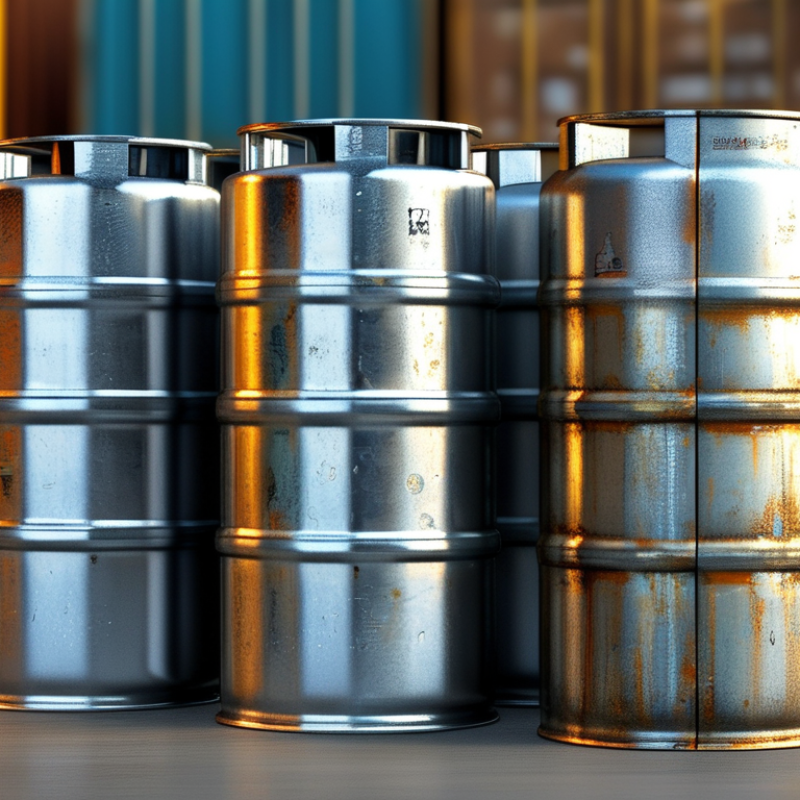
Best Galvanized Chemical Drum Options for Global Buyers: An Overview
When selecting the best Galvanized Chemical Drum, several factors come into play. Durability is crucial. A well-built galvanized chemical drum resists corrosion, ensuring long-lasting performance. Many buyers favor drums with a coating that enhances waterproofing. This feature helps maintain the integrity of the chemicals stored inside, preventing leaks and spills.
Moreover, capacity is a critical aspect. Different industries require various sizes to cater to their specific needs. Some may focus on smaller drums suitable for lab settings, while larger drums are better for industrial applications. It's essential to match the drum's size with operational demands.
Not all galvanized chemical drums are created equal. As a buyer, one must examine the manufacturing process. Quality assurance during production can directly influence the drum's lifespan. Additionally, proper testing and certifications ensure safety. While navigating these options, buyers may encounter inconsistent specifications. Gathering comprehensive information and consulting industry experts can greatly aid in making informed decisions.
Key Advantages of Galvanized Chemical Drums in the Industry
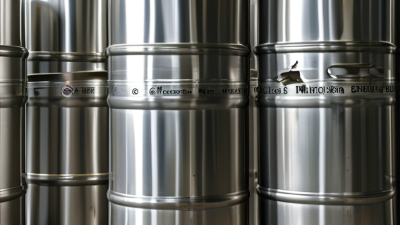
Galvanized chemical drums offer numerous advantages in various industries. Their corrosion-resistant properties make them a trusted choice. This type of drum can withstand harsh environments. Consequently, they ensure safe storage and transport of chemicals. The zinc coating provides an extra layer of durability. It prevents rust and extends the lifespan of the drum. This durability can translate to lower costs over time.
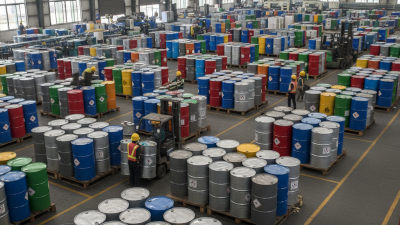
Another important aspect is the design of these drums. Many models are stackable, which optimizes storage space. Efficient use of space is crucial in warehouses. Moreover, the standard sizes accommodate many applications. This versatility makes them appealing to multiple sectors. Users often report ease of handling, which aids in efficient operations.
There are challenges too. Choosing the correct drum for specific chemicals is essential. Not all galvanized drums are suitable for every substance. Mishaps can occur if compatibility is not verified. Regular inspections are necessary to maintain their integrity. Despite these concerns, the benefits of galvanized chemical drums remain clear. Proper maintenance can assure reliable and effective usage in many industries.
Common Specifications and Standards for Chemical Drums
When selecting a Chemical Galvanized Steel Drum, understanding specifications is paramount. These drums must adhere to industry standards, ensuring safety and reliability. Common specifications include diameter, capacity, and thickness. The standard capacity usually ranges from 30 to 55 gallons. The thickness commonly varies from 1.2mm to 2.5mm, depending on the intended use.
An essential aspect is the drum's ability to withstand various chemicals. Buyers should check for compatibility with the substances they intend to store. Most drums undergo rigorous testing to meet safety standards. A drum's surface treatment is also critical; galvanization enhances corrosion resistance. This protracted process provides reliability in diverse environments.
However, not all drums perform equally. Some may lack adequate quality control. It’s vital to research suppliers and their compliance with safety regulations. Look for certifications that indicate they meet recognized standards. It can be frustrating but ensuring you invest in quality will pay off in the long run. Properly understanding the specifications and standards leads to better choices. This diligence may prevent costly incidents in the future.
Market Analysis: Global Demand for Galvanized Chemical Drums
The global market for galvanized chemical drums is witnessing significant growth. This trend stems from the increasing demand for durable and corrosion-resistant packaging solutions. Industries such as pharmaceuticals, agriculture, and chemicals rely heavily on these drums for safe storage and transport. Buyers are looking for reliable options that meet their specific needs.
Market analysis reveals some challenges. While demand is rising, supply chain issues can hinder availability. Certain regions may face logistic obstacles, impacting timely deliveries. Buyers often express frustration with inconsistent product quality. They seek drums that not only meet regulatory standards but also undergo rigorous testing.
Galvanized chemical drums must also be environmentally friendly. As sustainability becomes a priority, buyers are searching for eco-conscious options. Using recyclable materials is highly valued. Some manufacturers have yet to adapt, risking their market share. Overall, the landscape for galvanized chemical drums is dynamic. It requires ongoing dialogue about quality and sustainability.
Selection Criteria: Factors Influencing the Choice of Chemical Drums
When choosing galvanized chemical drums, several key factors come into play. Material durability is crucial. Galvanized steel offers excellent resistance to corrosion, making it ideal for storing various chemicals. It's essential to consider the drum's thickness and the quality of the galvanization process. A thicker drum enhances structural integrity while offering better protection against chemical reactions.
The drum's compatibility with stored substances is another critical aspect. Not all chemicals react well with galvanized surfaces. Conducting compatibility tests ensures safety and efficacy. Additionally, the closure type matters. A reliable sealing mechanism prevents leaks and maintains the integrity of the contents.
Another factor to ponder is the ergonomic design for handling. Drums should have features that facilitate safe lifting and pouring. A poorly designed drum can be risky and lead to spills. Lastly, regulatory compliance cannot be overlooked. Ensuring that the drums meet international safety standards is essential for safeguarding both personnel and the environment.
Leading Manufacturers and Brands of Galvanized Chemical Drums
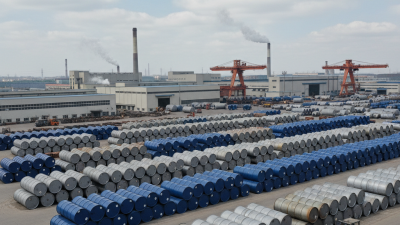
When searching for galvanized chemical drums, buyers must focus on the leading manufacturers in the market. According to recent industry reports, the global market for chemical drums is expected to grow significantly. In 2023, sales of Galvanized Fuel Drum are projected to rise by over 8%. This growth reflects an increasing demand for durable, corrosion-resistant storage solutions.
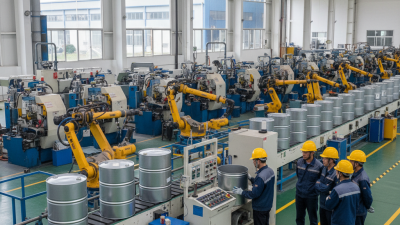
Reputable manufacturers invest in advanced technologies to produce high-quality galvanized chemical drums. These drums not only meet safety standards but also offer long-lasting performance. It’s crucial for buyers to evaluate the production processes and material quality of the manufacturers they consider. A poorly made drum can lead to leaks or contamination, which can have significant economic and environmental impacts.
Tip: Always request product specifications and certificates from potential suppliers. Ensure they comply with industry regulations. It's better to choose a reliable brand, even if it comes at a slightly higher cost. This can save expenses in the long run.
Additionally, consider the types of chemicals you plan to store. Some drums are better suited for specific substances. Understanding the compatibility will guide you in making a sound decision. Not all options will meet your specific needs. Therefore, be cautious and informed.
Best Practices for the Maintenance and Safety of Chemical Drums
Maintaining the integrity of chemical drums is crucial for safety and efficiency. Regular inspections are essential. According to the American Chemical Society, approximately 25% of chemical spills occur due to drum failure. Proper handling can significantly reduce this risk.
Tips for checking your drums: Inspect lids and seals regularly. Look for corrosion or dents. These signs may lead to leaks. Keep your drums labeled and organized to prevent confusion. Clear, visible labels help in quick identification.
Training employees is vital. They must understand the importance of proper storage and transport. An estimated 30% of chemical accidents involve human error, often stemming from inadequate training. Ensuring that all team members are versed in safety protocols can curb such statistics. Regular safety drills can reinforce best practices and elevate awareness. Continuous monitoring and proactive measures will lead to safer working environments.
FAQS
: Common specifications include diameter, capacity, and thickness. Usually, the capacity ranges from 30 to 55 gallons.
Check the drum's compatibility with the substances to be stored. Rigorous testing can indicate safety.
Galvanization enhances corrosion resistance, ensuring reliability in different environments. This process boosts the drum's lifespan.
Buyers encounter supply chain issues and inconsistent product quality. These issues can lead to frustration with deliveries.
Conduct regular inspections for lids, seals, and signs of corrosion. Maintenance reduces the risk of leaks and spills.
Proper training reduces human error in handling drums. Regular drills reinforce safety protocols and awareness.
Clear labeling prevents confusion about contents. Organized storage leads to safer handling of drums.
Yes, buyers prefer recyclable materials. Manufacturers must adapt to environmental demands to maintain market relevance.
Research their compliance with safety regulations and look for certifications. Quality control is essential for reliability.
Understanding specifications and maintaining diligence may prevent accidents. Investing in quality pays off in the long run.
Conclusion
The article titled "Best Galvanized Chemical Drum Options for Global Buyers" provides a comprehensive overview of the features and benefits of galvanized chemical drums, highlighting their growing importance in various industries. Galvanized chemical drums are favored for their corrosion resistance and durability, making them suitable for the storage and transport of a wide range of chemicals. The article details common specifications and standards that buyers should be aware of, as well as the global market trends driving demand for these products.
Additionally, the analysis emphasizes crucial selection criteria that influence the choice of chemical drums, including material quality and compatibility with specific chemicals. It also outlines best practices for the maintenance and safety of these drums to ensure long-term usability and compliance with industry regulations. This guide serves as a valuable resource for global buyers seeking reliable options in galvanized chemical drums.

 Get Your Quote
 Email