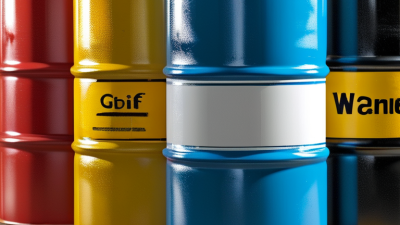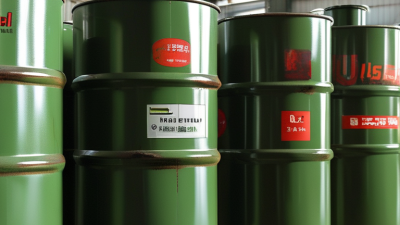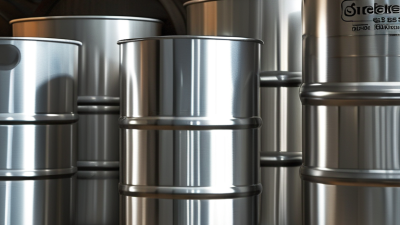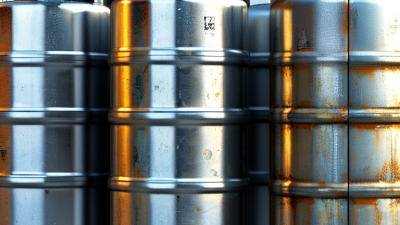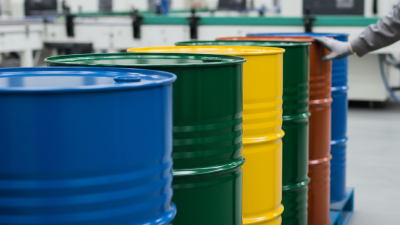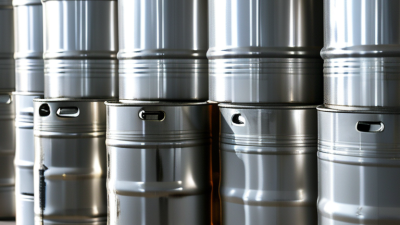
Picking the right fuel drum in 2026 isn’t just about comparing prices, capacities, or surface finishes. Honestly, you’ve gotta think about a bunch of other stuff too—like whether the drum is compatible with your fuel, how it handles transport, how long you’re planning to store fuel, and what local regulations need you to follow. For example, a drum that works great in a dry warehouse might totally fail if you’re dealing with coastal humidity or big temperature swings. There’s really no one-size-fits-all design that’s perfect everywhere.
In this guide, I’ll walk you through different types—steel tight-head, open-head drums, high-density polyethylene, and composite options. They each serve different needs when it comes to handling and storage. Steel drums are solid—they’re impact-resistant and familiar to most industrial setups. Plastic drums, on the other hand, can be a godsend if you’re worried about rust or corrosion, plus they’re generally easier to handle because they’re lighter. Then there are composite drums—these aim to give you a good mix of durability and easier movement, but it’s worth digging into the details of how they’re built because small differences can really matter.
When it comes to sourcing, I can’t stress enough that reliable purchasing is all about evidence. Don’t just look at pretty photos—ask for detailed specs on the materials, how the drums close, what kind of coatings they have, traceability of batches, and proof of testing the drums’ performance. Doing a supplier audit can reveal a lot more than just what they show in their marketing pictures. Brands like Greif, Mauser, and SCHÜTZ are super well-known, but remember—reputation’s good, but it’s no substitute for doing your own homework.
At the end of the day, the *best* fuel drum isn’t the cheapest one out there, but the one that fits your specific needs. Make sure to check gasket compatibility, stacking limits, how you’re filling and unloading, and what your options are for recycling. Also, regional standards and import rules can vary, so get professional advice—don’t just assume because it’s good in one place, it’ll work in another. This overview isn’t gonna answer absolutely everything, especially site-specific questions, but I hope it helps you ask smarter questions so you end up with a dependable drum for your supply chain in 2026.
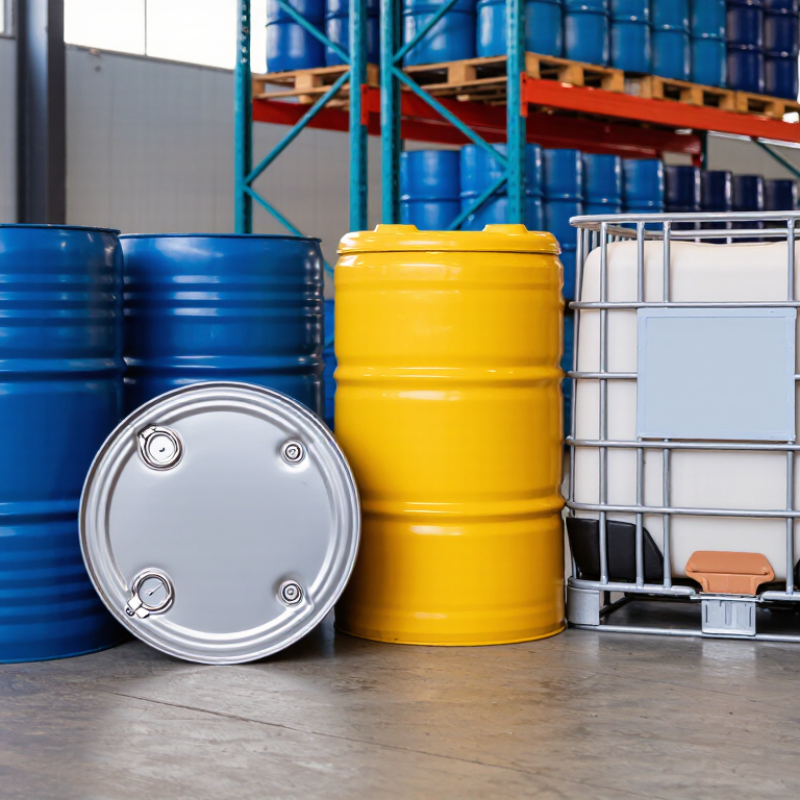
A fuel drum is a cylindrical container designed to store and transport liquid fuels. Common capacities include 55 gallons, 200 litres, and 208 litres. Steel drums remain popular because they resist impact, heat, and stacking pressure. However, steel can corrode when moisture reaches damaged coatings. Plastic drums use high-density polyethylene and offer lighter handling with strong chemical resistance. They may deform under prolonged heat.
Open-head drums have removable lids. They suit thicker liquids, cleaning operations, and controlled filling. Closed-head drums use fixed tops with small openings for pumps and ventilation. They are more suitable for diesel, kerosene, and other low-viscosity fuels. Reconditioned drums can reduce waste, but their inspection history must be verified carefully. Appearance alone proves little.
The IEA’s Oil 2024 report projected global oil demand to reach 105.4 million barrels per day by 2030. That demand supports continued need for safe, traceable fuel packaging. The UNECE ADR framework requires tested packaging, correct markings, and suitable closures for dangerous-goods transport.
Buyers searching for Fuel Drum Uk options should check wall thickness, UN certification, gasket compatibility, and storage temperature. A drum may look robust. It can still fail after rough handling, poor sealing, or repeated reuse. Real warehouse checks matter.
For global buyers, steel fuel drums remain practical when strength matters. Their rigid walls resist stacking pressure, rough handling, and temperature changes during ordinary transport. A loaded drum is not forgiving. Small dents can affect closures, coatings, or pallet stability. In field inspections, the best results come from checking seams, bung threads, and gasket condition before filling.
Compatibility deserves equal attention. Steel works well with many petroleum-based fuels, but it is not suitable for every formulation. Water, oxygen, and certain additives may accelerate internal corrosion. A compatible lining can reduce contact between fuel and metal, yet damaged coatings create hidden risks. One overlooked detail is the closure material. The seal must tolerate the fuel, temperature range, and storage period. Testing a sample drum first is slower, but often cheaper than managing leaks or contaminated fuel.
Global use cases include mining sites, agricultural storage, emergency power, and remote construction camps. These locations often need dependable handling rather than maximum capacity. For an Ink Fuel Drum application, buyers should clarify the intended liquid. Fuel drums and ink drums require different compatibility checks. That distinction matters. Before purchase, confirm volume, UN performance certification where required, closure design, internal lining, and local transport rules. Specifications can look complete while missing humidity exposure or long-term storage conditions. I would not approve a shipment without those records.
| Steel Drum Type | Common Capacity | Typical External Size | Closure Design | Typical Steel Thickness | Fuel Compatibility | Strengths | Global Use Cases | Key Buyer Checks |
|---|---|---|---|---|---|---|---|---|
|
Closed-Head Steel Fuel Drum UN specification 1A1 when certified |
60 L / 15.9 US gal 110 L / 29.1 US gal 200 L / 55 US gal |
Approx. 380–600 mm diameter 600–900 mm height |
Small threaded openings with plugs, often 2-inch and ¾-inch nominal fittings | Approximately 0.8–1.2 mm, depending on capacity, design, and certification | Diesel, kerosene, heating oil, and many petroleum-based fuels when the lining, gasket, and closure are suitable | Excellent leak resistance, strong stacking performance, reduced contamination risk, and convenient pump connection | Fuel distribution, mining, construction, emergency reserves, agriculture, and marine support | Confirm UN certification, pressure or leak-test requirements, gasket material, internal coating, and applicable transport rules |
|
Open-Head Steel Fuel Drum UN specification 1A2 when certified |
60 L / 15.9 US gal 110 L / 29.1 US gal 200 L / 55 US gal |
Approx. 380–600 mm diameter 600–900 mm height |
Removable full-diameter lid secured with a bolted or lever-locking ring | Approximately 0.8–1.2 mm, depending on capacity and construction | Suitable for selected fuels and fuel-related liquids only when the lid seal and interior finish are chemically compatible | Wide opening for inspection, cleaning, and filling; flexible for thicker liquids or reusable storage operations | Workshops, remote fuel handling, agricultural service, maintenance depots, and controlled industrial storage | Check lid-gasket compatibility, closure security, grounding provisions, ventilation requirements, and whether open-head certification is permitted |
|
Reconditioned Steel Fuel Drum Certification depends on the specific unit |
Typically 200 L / 55 US gal Other sizes may be available |
Usually based on standard 200 L drum geometry | Closed-head or open-head; new plugs, seals, and fittings may be installed | Varies according to original construction and remaining wall condition | Fuel compatibility must be verified after cleaning, inspection, and confirmation of the previous contents | Lower purchase cost and reduced material consumption compared with new drums | Short-term industrial storage, non-critical field operations, and domestic or regional supply chains | Require traceable inspection, interior cleanliness, corrosion assessment, prior-content records, and valid transport certification if needed |
| Painted or Lined Steel Fuel Drum | 20 L / 5.3 US gal 60 L / 15.9 US gal 200 L / 55 US gal |
Depends on capacity; common 200 L size is approximately 570–600 mm diameter and 850–900 mm height | Closed-head or open-head with coated internal and/or external surfaces | Steel thickness varies; coating is an additional protection layer rather than a substitute for adequate steel strength | Useful for fuels that may accelerate corrosion, provided the coating is rated for the exact fuel blend and storage conditions | Improved corrosion resistance, longer service life, and reduced risk of product discoloration or contamination | Long-term storage, humid or coastal regions, biofuel supply chains, and facilities requiring enhanced corrosion protection | Verify coating type, cure quality, fuel-blend resistance, temperature range, and compatibility with additives such as ethanol or biodiesel |
|
Small Portable Steel Fuel Can Transport approval depends on jurisdiction and design |
5 L / 1.3 US gal 10 L / 2.6 US gal 20 L / 5.3 US gal |
Compact portable format; dimensions vary substantially by shape | Screw cap, safety spout, or integrated pouring system | Typically heavier-gauge steel than thin disposable packaging; exact thickness varies by safety design | Commonly used for gasoline, diesel, and kerosene only when the container is specifically approved for the fuel | Easy manual handling, high puncture resistance, and practical use for small equipment or emergency top-ups | Forestry, farming, generators, outdoor equipment, service vehicles, and emergency preparedness | Check child or spill-resistant closure requirements, venting, handle strength, local filling limits, and approved fuel type |
|
Drum-in-Overpack or Salvage Drum Used for damaged or leaking inner containers |
Commonly 200 L / 55 US gal or larger | Larger than the inner drum to provide clearance and containment space | Removable cover or secure closure designed for containment rather than routine dispensing | Heavy-duty construction; exact thickness and capacity depend on the approved salvage design | Used only in accordance with applicable dangerous-goods procedures and the fuel’s hazard classification | Provides secondary containment and helps isolate damaged, leaking, or non-conforming fuel packages | Hazardous-material response, logistics incidents, warehouses, ports, and maintenance facilities | Confirm salvage-drum approval, clearance requirements, absorbent or cushioning needs, labeling, and emergency transport procedures |
2026 Top Fuel Drum Types for Global Buyers?
Plastic fuel drums are gaining attention because HDPE designs reduce lifting effort and freight weight. A 200-liter plastic drum can weigh about 8–12 kilograms, depending on wall thickness and fittings. That difference matters during warehouse handling and long-distance delivery.
Chemical resistance remains the real buying test. HDPE usually performs well against many petroleum products, but fuel blends can behave differently. Aromatic content, temperature, and storage time may change permeation risks. ASTM D543 offers a useful framework for chemical-resistance testing, while the UN Recommendations on the Transport of Dangerous Goods require performance-tested packaging for many fuel shipments. Ask for test records, closure specifications, and pressure results. Do not rely on a generic “fuel safe” claim. I still find this wording too vague.
The OECD Global Plastics Outlook reported 353 million tonnes of plastic waste in 2019, with only 9% recycled. That figure should influence drum selection. Reusable designs, replaceable closures, and clear recycling instructions can reduce avoidable waste. However, a lighter drum is not automatically better if it deforms under heat. A small mistake here becomes expensive.
Tips: Confirm resin grade, fuel compatibility, UN certification, stacking strength, and temperature limits. Check the actual empty weight. For a Fuel Drum Moq, request pilot samples before approving a full shipment. Examine seams, handles, and caps after realistic handling. Tide, dust, and rough pallets reveal weaknesses quickly.
2026 Top Fuel Drum Types for Global Buyers
Specialized Fuel Drums for Aviation, Marine, and Industrial Fuels
Aviation fuel drums require exceptional cleanliness, sealing, and traceability. Even small water droplets can affect fuel quality. Steel drums with corrosion-resistant interiors often suit turbine fuels, but compatibility must be verified. Closures should resist leakage during storage and handling. Grounding matters during filling and transfer. Every container should carry clear batch, inspection, and hazard information.
Marine fuels face harsher conditions. Salt air, deck movement, and temperature changes can damage weak containers. Heavy-duty steel drums with durable external coatings are practical for marine diesel and related fuels. Buyers should inspect seams, bung threads, and gasket condition before shipment. A drum may look strong yet fail around its closure. That detail is easy to miss.
Industrial fuels vary widely, including heating oils, process fuels, and specialized blends. Lined steel or approved plastic drums may work, depending on chemical compatibility and storage duration. Thicker walls are not always better. Poorly matched linings can soften, swell, or contaminate fuel. Selection should follow the fuel safety data sheet, local transport rules, and supplier test records. Independent inspection adds confidence, especially for large international orders. I have found that clear documentation prevents more problems than attractive packaging. Requirements also differ between regions, so one standard should not be treated as universal. Regular checks remain necessary.
2026 Top Fuel Drum Types for Global Buyers
Fuel drum selection starts with the liquid, not the color or capacity. Steel closed-head drums suit many non-viscous fuels and reduce accidental opening. Open-head drums support easier inspection and cleaning, but require secure covers. Plastic drums may resist corrosion, yet compatibility must be verified against the fuel formulation.
The key control is the UN Model Regulations for Dangerous Goods. Approved drums must pass drop, leakproofness, hydrostatic pressure, and stacking tests. The marking also identifies packaging type, performance level, and production year. It is not a universal license. The fuel’s flashpoint, packing group, and transport mode still matter. Maritime shipments follow the IMDG Code, while road movements may follow ADR requirements. Air transport applies stricter limits under international air-dangerous-goods rules.
Scale increases the risk of small mistakes. UNCTAD’s Review of Maritime Transport 2024 reports that maritime trade reached about 12.3 billion tonnes in 2023. More cargo means more handling, transfers, and exposure to heat or impact. A drum can pass a laboratory test yet fail in a wet loading yard. That uncomfortable gap deserves attention. Buyers should request current test certificates, safety data sheets, closure specifications, pallet-loading instructions, and inspection records. The International Maritime Organization also emphasizes documented control of dangerous-goods packaging and transport information. Do not rely on a familiar drum size alone. Confirm chemical compatibility, grounding needs, label durability, and local carrier acceptance before purchase.
Global fuel buyers compare more than drum prices. Capacity changes freight efficiency, handling time, and storage risk. Steel drums commonly hold 200 or 210 litres. High-density polyethylene options often use similar volumes, but they weigh less. That difference matters when thousands of units cross borders. The International Energy Agency reports that oil demand remains above 100 million barrels per day in recent outlooks, keeping fuel logistics highly sensitive to transport costs. In the Fuel Drum Trade, a cheaper drum can become expensive after freight, inspections, and disposal.
Environmental impact requires practical measurement. Steel offers strong mechanical protection and established recycling routes. However, corrosion can shorten service life in humid ports. Plastic drums resist rust, yet recycling depends on clean collection and local processing. The OECD Global Plastics Outlook found that only 9% of plastic waste was recycled in 2019. That figure should make buyers question vague “recyclable” claims. Compare reuse cycles, recycled content, empty-drum weight, and return distance. The comparison is not perfectly clean.
Tips: Request lifecycle data, not marketing language. Ask for UN performance certification, closure testing, and written material specifications. Calculate cost per delivered litre, including pallets, insurance, and recovery. Test a small shipment first. A drum that survives a warehouse trial may still fail beside a hot container wall. The World Bank projects global waste could reach 3.4 billion tonnes annually by 2050. That forecast is broad, but it exposes one overlooked issue: end-of-life planning belongs in the purchase contract.
Market research on industrial containers continues to highlight the importance of durable, hygienic, and efficient storage solutions in the 200–230L capacity range. Premium stainless steel open-top drums are increasingly valued by chemical, pharmaceutical, food-processing, and machinery manufacturers because they support reliable handling while meeting demanding operational requirements. Their corrosion-resistant construction helps protect contents and extend service life, while the open-top design enables fast filling, convenient inspection, and straightforward material removal.
This conical open-top drum is manufactured in China for industrial applications that require efficient extraction and practical daily use. Its tapered structure encourages smoother discharge and helps reduce residual material inside the container. A user-friendly opening mechanism further improves loading, unloading, and cleaning procedures, helping operators maintain an organized workflow. From material selection and forming to welding and finishing, each production stage follows strict quality-control practices designed to support durability, safety, and consistent performance. Available in a 200–230L capacity range, the drum provides a dependable option for facilities seeking strong, reusable stainless steel containers that can adapt to demanding production environments.
It needs excellent cleanliness, secure sealing, and clear traceability. Even tiny water droplets can reduce fuel quality. Verify material compatibility before filling.
Marine drums need strong steel walls and durable exterior coatings. Salt air, deck movement, and temperature changes create stress. Inspect seams, bung threads, and gaskets.
Not always. A thick wall cannot fix chemical incompatibility. An unsuitable lining may soften, swell, or contaminate the fuel.
Check the fuel safety data sheet, storage period, and transport requirements. Review supplier test records. Independent inspection helps with large international shipments.
Steel drums commonly hold 200 or 210 litres. Plastic drums often use similar capacities. Smaller weights can reduce handling effort and freight pressure.
Calculate the cost per delivered litre. Include freight, pallets, insurance, inspections, and empty-drum recovery. A low purchase price may hide expensive disposal.
Steel offers strong protection and established recycling routes. Plastic resists rust but depends on clean collection and local processing. Neither option is perfect.
Request written material specifications, closure testing, and recognized transport performance certification. Ask for lifecycle data, not broad recycling claims. Packaging language can mislead.
A warehouse trial reveals handling problems before a large purchase. However, a drum may still fail beside a hot container wall. That risk is easy to underestimate.
Each drum should show batch information, inspection details, and hazard information. Clear records support traceability. Documentation often prevents more trouble than attractive packaging.
Choosing the right Fuel Drum in 2026 requires global buyers to evaluate more than capacity and price. Steel drums remain a dependable option for demanding environments because they provide high mechanical strength, broad fuel compatibility, and reliable performance during storage and transport. Plastic drums offer lower weight, easier handling, and strong resistance to corrosion and many chemical conditions, making them suitable for applications where mobility and long service life are priorities. Specialized designs may also be selected for aviation, marine, agricultural, construction, and industrial fuel requirements, provided that the container material and structure match the fuel type and operating environment.
安全 and compliance should guide every purchasing decision. Buyers should confirm that drums meet applicable packaging, labeling, leak-prevention, handling, and international transport requirements. Comparing standard and customized capacities, purchase and logistics costs, durability, reusability, recyclability, and total environmental impact can reveal the best long-term value. A practical selection balances safe containment, efficient transportation, operational compatibility, and responsible end-of-life management.