Leave Your Message
0%

Picking out a stainless steel drum supplier isn't just about hunting for the lowest price. You've really gotta dig into details like the steel grade, how well it’s welded, the closure design, capacity, and whether they have proper quality controls documented. Sure, a drum might look super tough sitting on display, but that doesn’t mean it’ll hold up in real-world use—overlooking things like seams, fittings, or how it handles certain conditions can be a big mistake. Little details really do matter here.

Now, the fact that the industry is so big kind of explains why knowing your steel is important. For example, World Stainless’s data shows that in 2023, global stainless steel melt shop production hit around 58.4 million tonnes — that’s up about 4.6% from 2022. But keep in mind, that’s total steel production, not specifically drums. So, it shows there's plenty of steel out there, but it doesn’t mean every supplier makes top-quality drums. To get a clearer picture, referring to standards like ASTM International can be really helpful because they cover precise specs for stainless steel plates and sheets. Always ask your suppliers for the actual grade and supporting docs—they can’t just tell you “trust us.” No one-way ranking system is perfect here.

In this guide, I’ve looked at ten different suppliers using some practical criteria — stuff like their product range, fabrication skills, ability to customize, quality documentation, and how responsive they are. I also pay attention to whether they’re transparent about their testing and traceability rather than just throwing around vague claims. When you're comparing options like a carbon steel or stainless steel drum, don’t just focus on the material name. Think about factors like corrosion resistance, what’ll be inside, how easy it is to clean, and how long it’ll last. It’s a good idea to ask for some drawings, sample certificates, and clear lead-time info, too. Remember, supplier details can change over time, and companies might not always share every little thing publicly. Think of this list as a starting point for your research—always double-check the specs directly with the manufacturer before you hit 'buy.'
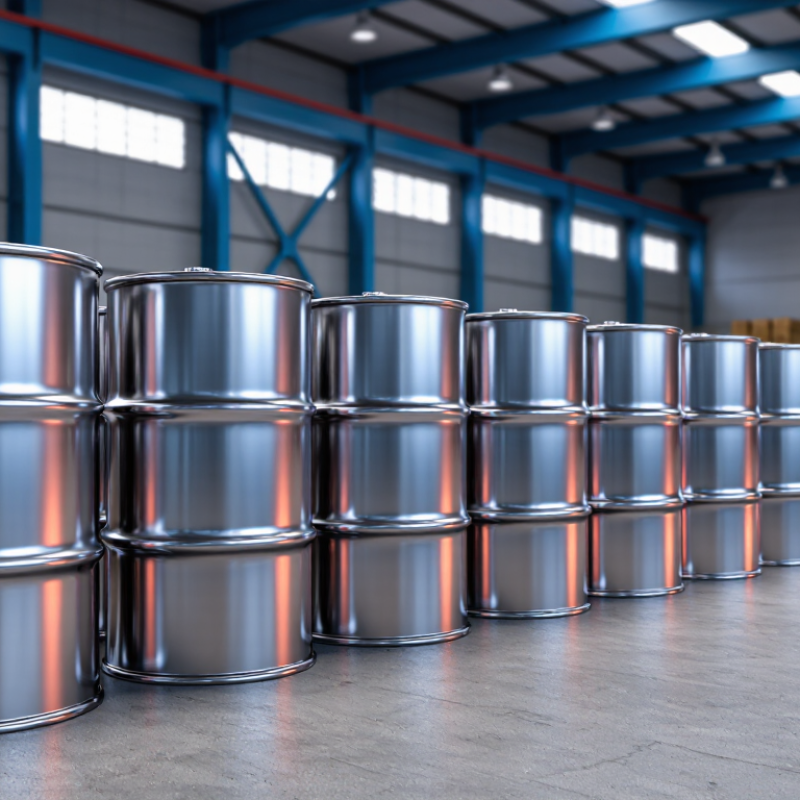
What Are the 10 Best Stainless Steel Drum Suppliers?

What Stainless Steel Drums Are and Where They Are Used

A Stainless Steel Drum is a rigid, cylindrical container made from corrosion-resistant steel. Its body, rolled rims, and removable or fixed head help protect liquids and dry materials during storage and handling. The World Stainless Association reported 58.4 million tonnes of global stainless steel crude production in 2023. That figure describes the material industry, not drum output, but it shows the scale of stainless steel supply.

These drums are used for food ingredients, personal-care materials, pharmaceutical inputs, and specialty chemicals. Smooth interiors can make cleaning easier, while stainless steel may resist corrosion from many products. Compatibility still depends on the exact material grade, product, temperature, and cleaning process. A clean-looking drum is not proof of validated cleanliness. Small details matter.

For buyers comparing Stainless Steel Drum suppliers, ask about material certificates, weld quality, closure design, and cleaning records. The International Organization for Standardization’s ISO 15750 series covers steel drums, including stainless steel drum specifications and dimensions. Check that the chosen drum suits the product and handling method. Reuse can reduce replacement needs, but only when inspection and cleaning are consistent. Even a sound drum can be the wrong choice.

How to Evaluate Stainless Steel Drum Suppliers

A supplier’s catalogue is only a starting point. Ask for the drum’s steel grade, wall thickness, weld details, and load limits in writing. Request material certificates and dimensional inspection records for the exact model, not a similar product. A polished finish can look reassuring. It proves little. Check welds around seams and handles, then ask how the supplier tests for leaks and consistent closure fit. For UK buyers searching “Stainless Steel Drum Uk,” clarify delivery terms, replacement-part availability, and who handles defects after arrival.

Production scale offers useful context, but not a quality guarantee. The World Stainless Association’s Stainless Steel in Figures 2024 report puts global stainless steel crude production at 58.4 million tonnes in 2023, up 4.6% from 2022. Use that figure as industry context, not evidence that any one supplier is dependable. Ask whether material grades match the intended contents and cleaning routine, and check claims against relevant material standards such as ASTM A240. Request a sample, inspect it under ordinary warehouse lighting, and compare its weight and dimensions with the specification. No checklist is perfect; a sample may not reflect every production batch. That caveat matters.

How to use this chart: These suggested weights are a buyer’s evaluation framework, not audited market data or ratings of specific suppliers. Verify each supplier’s material certificates, applicable food-contact and UN packaging documentation, test records, production capacity, and delivery performance before comparing bids.

Profiles of 10 Leading Stainless Steel Drum Suppliers

Profiles of 10 Leading Stainless Steel Drum Suppliers

Supplier profiles are most useful when they describe capabilities, not just product claims. These ten supplier types offer different strengths, and this overview is not a verified ranking. A high-volume producer suits buyers needing steady drum shipments and consistent dimensions. A custom-fabrication supplier can adjust capacity, wall thickness, or fittings to match a specific process. A supplier focused on hygienic applications may offer smooth interiors and documented cleaning procedures. Ask for material specifications. A corrosion-focused producer can help match steel grades to the stored contents, but confirm compatibility with a qualified specialist. A recycled-material supplier may provide drums with clear inspection and refurbishment records.

A closure specialist concentrates on lids, seals, and clamp rings; request samples to check fit by hand. A testing-led supplier can share inspection methods for welds, leaks, and dimensional tolerances. A small-batch producer may offer flexibility, though lead times can vary. An export-oriented supplier should explain protective packaging and handling details. Get these in writing. A technical-support supplier can help review drawings and operating conditions before production. Finally, an ink-container supplier may tailor a drum for printing materials; buyers searching “Ink Stainless Steel Drum” should specify viscosity, closure needs, and cleaning expectations. Even a polished profile leaves questions. Inspect samples, verify documentation, and compare delivered quality with the stated specification.

Comparing Supplier Products, Services, and Capabilities

Stainless steel drum suppliers may offer similar-looking containers, yet their specifications can differ in ways that matter on a filling line. Compare stated capacity, steel grade, wall thickness, closure design, and interior finish. Ask for drawings and material records, not just a glossy product sheet. Small details count. A lid that seats unevenly can slow handling and create avoidable inspection work.

Service capability deserves equal attention. Check whether the supplier can provide trial quantities, custom dimensions, replacement closures, and dependable lead-time updates. Ask how it manages order changes and damaged shipments. A useful response includes a clear contact, realistic timelines, and documented inspection steps. Do not treat a broad capacity claim as proof; request recent examples of comparable production runs while protecting confidential customer information.

Quality evidence should match the intended use. Review inspection records, traceability options, packaging protection, and the process for handling nonconforming units. If possible, inspect a sample under realistic stacking and filling conditions. A polished sample is not the whole story. This comparison has limits: published specifications rarely reveal how consistently a supplier performs during peak demand, so ask direct questions and record the answers before choosing.

Industries and Applications Served by These Suppliers

Stainless steel drum suppliers support food processing, beverage production, chemical manufacturing, and pharmaceutical operations. Each sector has different handling needs. Food producers may use drums for syrups, oils, or dry ingredients, where cleanable surfaces matter. Beverage facilities often need containers that resist moisture during storage and transfer. Chemical plants may require drums suited to specific materials and filling systems. Confirm compatibility with the supplier; stainless steel alone does not guarantee suitability.

These suppliers also serve cosmetics makers, industrial coatings producers, and water-treatment facilities. A cosmetics workshop might need smaller batches moved between mixing and filling areas. A coatings plant may prioritize durable closures and controlled handling. In warehouses, drums can help protect contents from dents and leaks during routine movement. Details vary. Even similar-looking containers can differ in capacity, lid design, weld quality, and cleaning requirements. I would not choose by material grade alone; the working environment matters too.

Tips: Share the product type, temperature range, filling method, and cleaning routine before requesting a quote. Ask for dimensions, closure options, and relevant inspection records. If drums will be reused, check how their interiors can be cleaned and examined. A small trial batch can reveal practical issues, though it may not represent every operating condition.

How to Choose the Right Supplier for Your Requirements

When comparing stainless steel drum suppliers, start with the drum’s actual job. Will it hold liquids, powders, or materials that need frequent cleaning? Ask about steel grade, wall thickness, interior finish, and closure options. A smooth, even weld matters. So does a lid that seals consistently after repeated opening. Request a sample and inspect it under good light; rough seams or sharp edges can reveal weak finishing. Look closely. Ask for material certificates and inspection records, and confirm what each document covers.

Then assess reliability, not just the quoted price. Clarify production capacity, sample timing, normal lead times, and how defects are handled. Stainless Steel Drum Moq can vary widely, so compare minimum quantities with your forecast and storage limits. A low unit price may still mean costly excess inventory. Ask whether dimensions and fittings can be adjusted, and get agreed specifications in writing. Responsiveness is useful evidence, though a quick reply alone proves little. Ask for references from buyers with similar requirements. Even careful suppliers can miss a detail, so check drawings, samples, and order documents before approving production. Some of this takes extra time. It can prevent an expensive mismatch later. If a sample seems imperfect, ask how the supplier will investigate and correct the issue. Would they document the change and verify the next batch? Those answers can reveal how well the supplier supports your operating needs.

What Are the 10 Best Stainless Steel Drum Suppliers? - How to Choose the Right Supplier for Your Requirements

Use these ten criteria to compare supplier candidates. Requirements vary by application, drum design, and destination market, so verify specifications and supporting documents for each quotation.

# Evaluation criterion What to check Questions to ask Why it matters
1 Material grade and traceability Specified stainless-steel grade, material certificates, and traceability records for the supplied product. Which grade is proposed, and can you provide material documentation for the order? Grades differ in corrosion resistance and suitability for particular contents and environments.
2 Capacity and dimensions Usable volume, overall dimensions, opening type, and dimensional tolerances. Can you confirm the usable capacity and provide a dimensioned drawing? The drum must fit the filling process, storage space, and handling equipment.
3 Construction and wall thickness Body and end thickness, seams, reinforcements, closure design, and stated tolerances. What thicknesses and construction details are included in the quotation? Construction affects durability, weight, handling, and compatibility with the intended service.
4 Welding and fabrication quality Weld inspection procedures, workmanship criteria, and records for relevant production checks. How are seams inspected, and what inspection records can be supplied? Consistent fabrication helps reduce leakage and product-quality risks.
5 Surface finish and cleanliness Internal finish, cleaning method, residue controls, and any specified roughness or cleanliness limits. Can you meet our cleaning and surface-finish requirements and document the process? Finish and cleanliness requirements depend on the stored material and downstream use.
6 Leak and performance testing Applicable leak checks, test methods, acceptance criteria, and test documentation. Which tests are performed on the quoted design, and how often are they recorded? Testing should match the drum design and the risks of its intended use.
7 Regulatory and transport requirements Evidence that the specific design meets applicable requirements when hazardous-goods transport approval is needed. Is this exact drum design approved for our substance, packing group, and shipping route? Transport approvals apply to defined designs and conditions; they should not be assumed from material alone.
8 Customization and accessories Lids, closures, gaskets, fittings, handles, stacking features, and drawing approval process. Which options are available, and how are design changes validated? The correct configuration supports safe filling, sealing, and handling.
9 Production capacity and lead time Quoted production schedule, minimum order quantity, sampling time, and capacity for repeat orders. What are the sample and production lead times, and how are schedule changes communicated? A realistic schedule helps coordinate purchasing, filling, and inventory planning.
10 Quality system and after-sales support Documented quality controls, nonconformance handling, warranty terms, and spare-part or technical support. How are defects handled, and what support is available after delivery? Clear processes make it easier to resolve quality issues and maintain supply continuity.

FAQS

What specifications should I compare between stainless steel drums?

Compare capacity, steel grade, wall thickness, closure design, and interior finish. Small details matter.

Why should I request drawings and material records?

They help confirm dimensions and material details beyond a product sheet. Check what each document actually covers.

How can I assess a drum sample?

Inspect welds, edges, and lid fit under good light. If possible, test stacking and filling. A sample can still mislead.

What service capabilities should I ask about?

Ask about trial quantities, custom dimensions, replacement closures, and lead-time updates. Request clear timelines and inspection steps.

How can I judge supplier quality?

Review inspection records, traceability options, packaging protection, and defect-handling procedures. Ask how nonconforming units are managed.

What should I check about production and delivery?

Confirm production capacity, sample timing, and normal lead times. Ask how order changes or damaged shipments are handled.

How should I compare minimum order quantities and prices?

Compare minimum quantities with your forecast and storage limits. A lower unit price may leave you with excess inventory.

What can references and written specifications tell me?

Ask for references from buyers with similar needs, then document agreed specifications. Quick replies help, but prove little on their own.

Conclusion

This article explains what a Stainless Steel Drum is, how its durable construction supports storage and transport, and the kinds of industries and applications that use it. It also outlines practical ways to evaluate suppliers, including product quality, available sizes and configurations, customization options, production capacity, technical support, and delivery reliability.

Profiles of ten leading supplier types provide a basis for comparing products, services, and capabilities without focusing on any particular brand. The article considers how supplier offerings may differ across industrial, commercial, and other routine applications, then presents a straightforward approach to choosing a suitable partner. By matching drum specifications and service requirements with operational needs, buyers can make a more informed decision about quality, compatibility, and long-term value.
Elena

Elena

Elena is a seasoned marketing professional at Foshan Qiaoyue Packaging Co., Ltd., where she has been instrumental in driving the company’s outreach and engagement since its rebranding in 2007. With extensive knowledge of the drum product manufacturing sector, Elena combines her expertise with a......
Previous 2026 Top Closed Head Steel Drum Types for Global Buyers