

The Critical Role of Adhesive Conical Drums in the New Energy Battery Supply Chain
A deep-dive into industrial realities, compliance requirements, and why purpose-built containment matters more than ever.
Industry Background: Why Hazardous Battery Material Transport Is a Global Priority
The global transition to clean energy has triggered an unprecedented surge in demand for lithium-ion batteries, solid-state battery precursors, and the complex chemical compounds that power them. From electric vehicles (EVs) and grid-scale energy storage systems to consumer electronics and industrial machinery, the new energy sector now represents one of the fastest-growing industrial segments worldwide — and with that growth comes a sharply intensified need for safe, reliable, and regulation-compliant transport of hazardous battery materials.
Battery manufacturing involves a wide range of hazardous substances: lithium hexafluorophosphate (LiPF₆) electrolytes, N-Methyl-2-pyrrolidone (NMP) solvent used in electrode coating, cobalt and nickel sulfate solutions, lithium carbonate slurries, and highly flammable organic solvents. These materials are classified as dangerous goods under international frameworks including the UN Recommendations on the Transport of Dangerous Goods, IATA Dangerous Goods Regulations, and IMDG Code for sea freight. Mishandling, leakage, or container failure can result in fires, toxic exposure, environmental contamination, and severe regulatory penalties.
🔋 Key Insight: According to industry analysts, global EV battery chemical logistics volumes are projected to exceed 12 million metric tonnes annually by 2030, creating massive demand for certified, leak-proof, chemically resistant industrial drums and conical containment systems.
What Is an Adhesive Conical Drum and Why Does It Excel for Battery Chemical Transport?
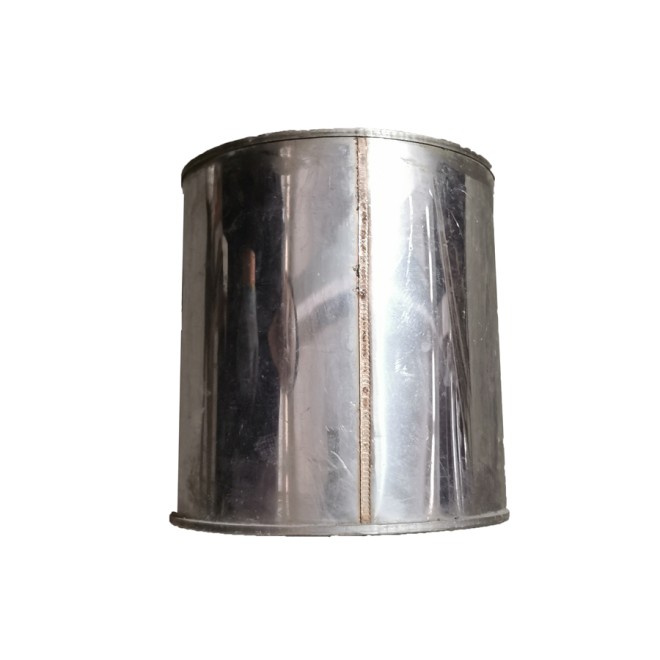
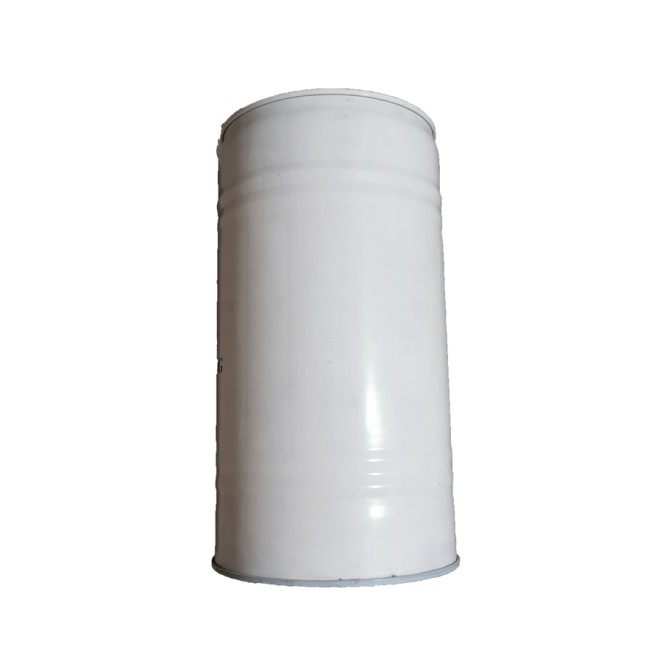
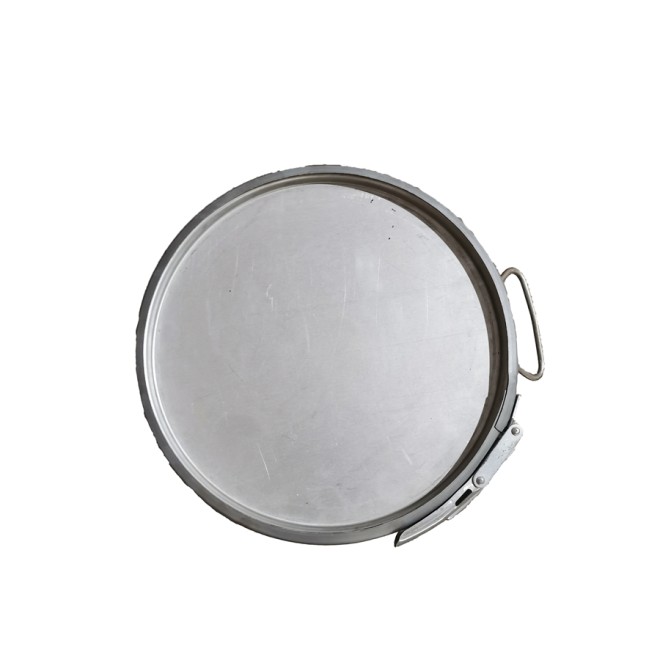
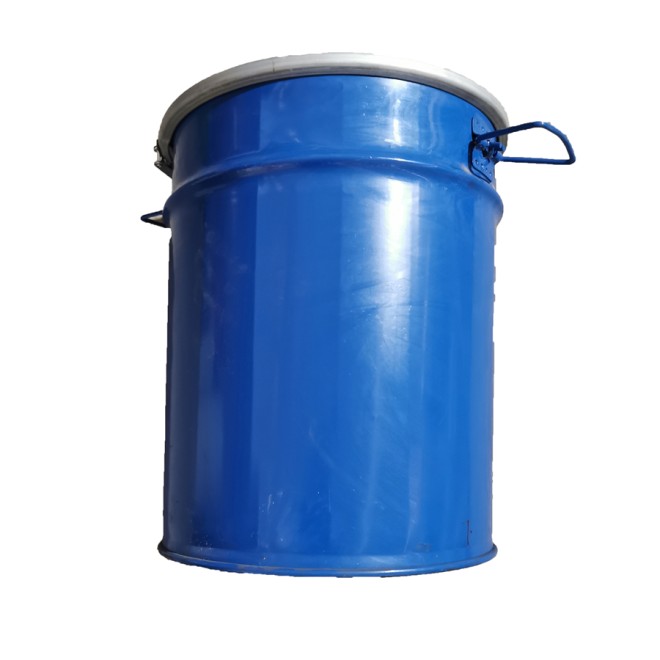
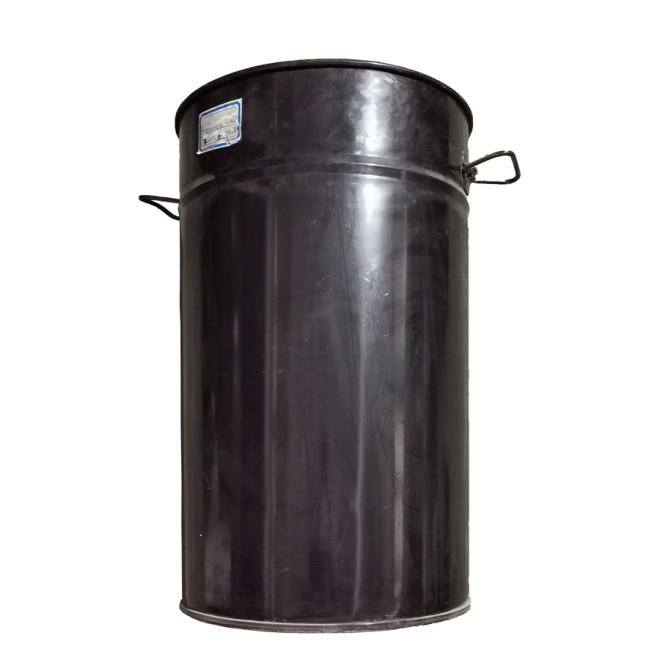
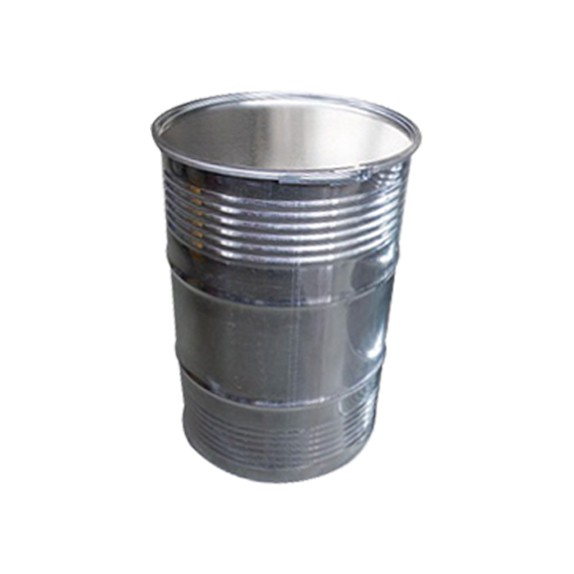
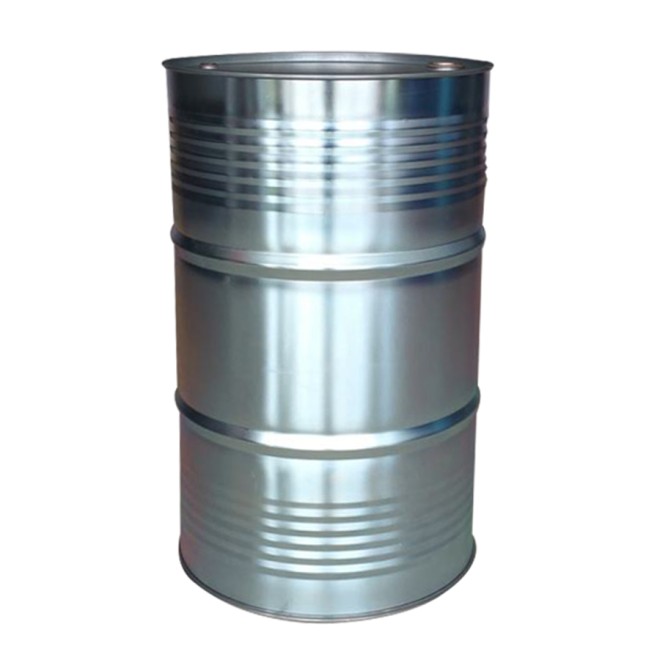
An adhesive conical drum is a specialised industrial containment vessel distinguished by its tapered, conical body geometry, which provides a series of critical advantages over conventional straight-wall cylindrical drums. The conical profile facilitates complete drainage of viscous materials — a crucial property when dealing with electrode slurries, adhesive binders, and gel-phase electrolytes common in battery manufacturing. The tapered shape also allows drums to nest efficiently during storage and return logistics, reducing warehouse footprint and transportation costs.
The "adhesive" designation refers to the drum's suitability for storing and transporting adhesive-phase battery materials — including PVDF (polyvinylidene fluoride) binders dissolved in NMP, CMC (carboxymethyl cellulose) water-based binders, and SBR (styrene-butadiene rubber) latex used in anode coating. These materials are notoriously difficult to handle in standard containers due to their high viscosity, chemical reactivity, and tendency to adhere to container walls. The conical drum's geometry, combined with chemically resistant interior coatings, ensures maximum material recovery and minimal cross-contamination.